
Think Carefully Before Visiting AlUla: What the Hadith Teaches Us
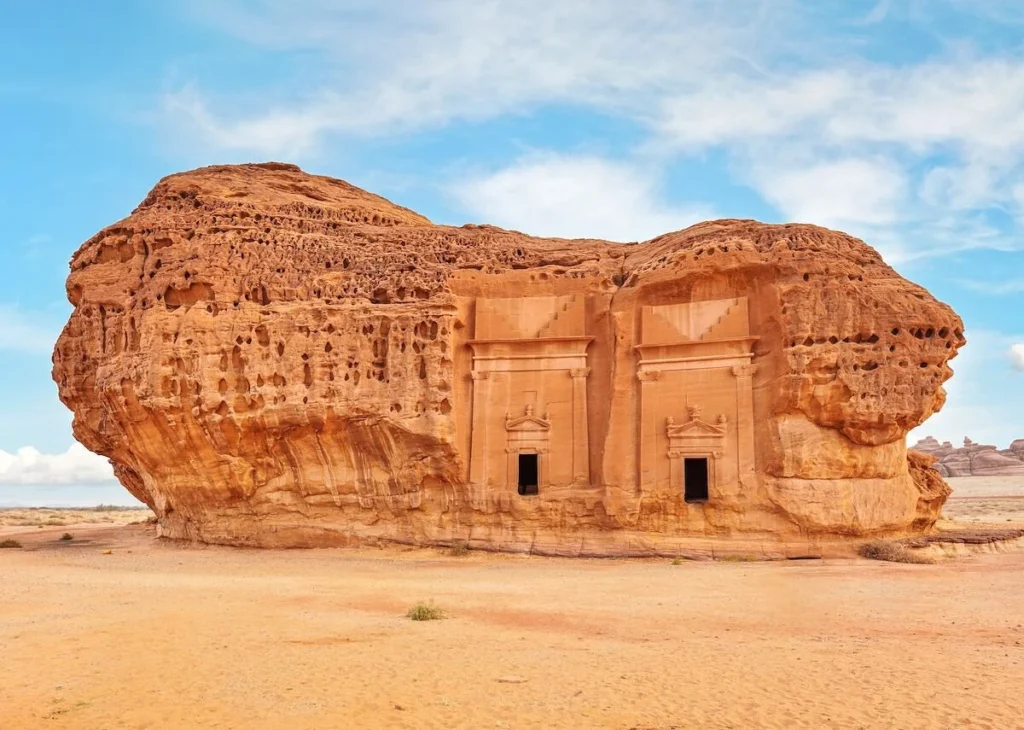
AlUla is an ancient, beautiful destination in Saudi Arabia. Famous for its Hegra, a UNESCO World Heritage site, it’s known for stunning tombs carved into sandstone cliffs. But for Muslims, visiting this site should be a thoughtful decision, especially when considering Islamic teachings and the Hadith. The Historical and Religious Significance of AlUla AlUla, especially its area known as Mada’in Saleh (also called Hegra), is historically significant. It was once the capital of the Nabatean Kingdom and is famous for its tombs and ancient buildings. However, it’s also deeply connected to the Thamud people mentioned in the Quran. AlUla and the Thamud People The Thamud were punished by Allah for their arrogance and disobedience. Prophet Saleh (AS) was sent to guide them, but they rejected him. The ruins in AlUla are a reminder of their punishment, as detailed in the Quran. AlUla isn’t just an archaeological site; it’s a lesson in obedience to Allah and a warning about the consequences of pride. Islamic Teachings on Visiting Such Sites What the Hadith Says Islamic teachings, particularly in the Hadith, provide guidance on visiting places where divine punishment occurred. The Prophet Muhammad (PBUH) instructed that such sites should be approached with respect and humility, not for fun or entertainment. Key Hadith: One famous Hadith from Abdullah ibn Umar states: “Do not enter upon these people who were punished, unless you are weeping. If you are not weeping, then do not enter upon them, lest you be afflicted with what afflicted them.“ This Hadith emphasizes that visiting such places should be a solemn reflection and a chance to learn from the mistakes of past nations, not a place for leisure or excitement. AlUla’s Role in Islamic History AlUla’s most notable site, Mada’in Saleh, was a thriving Nabataean city at its peak. Today, the site is a reminder of the Thamud people’s fall, as they rejected Prophet Saleh’s message. Their punishment was severe, with a mighty blast or earthquake that destroyed them. The Lesson of the Thamud People The Thamud tribe’s downfall teaches us about the dangers of pride and disobedience. When visiting AlUla, Muslims should remember the lesson of the Thamud and reflect on the consequences of ignoring Allah’s commands. This is why visiting AlUla is more than just a sightseeing trip; it’s an opportunity for spiritual reflection. Intention (Niyyah) in Travel In Islam, the intention behind an action is very important. When traveling, especially to sacred or historically significant places, your Niyyah (intention) must align with the purpose of learning and reflection, not just enjoyment. How to Make Your Visit Spiritual Visit AlUla with the intention of reflecting on the lessons from the Thamud people’s story. Avoid visiting for leisure, social media photos, or simply to admire the architecture. Humility and repentance should guide your visit. By focusing on the spiritual purpose, your visit becomes an act of reflection and obedience to Allah. Salah Travels: Guiding You with the Right Intention If you choose to visit AlUla, it’s important to do so with the right guidance. Salah Travels, a faith-based travel company, offers tours that encourage spiritual reflection during visits. They guide travelers in understanding the Quranic significance of the site and ensure the visit aligns with Islamic values. What You Can Expect from Salah Travels’ Tours: Spiritual reflections and meditations. Guided prayers and Quran recitations. Humility-focused itineraries that prioritize reflection over tourism. These tours ensure that your visit to AlUla is both educational and spiritually enriching. The Growing Trend of Mindful Travel Many Muslims today are choosing to travel with greater awareness and purpose. Traveling to sacred or historical sites like AlUla can be a spiritual journey, helping us grow closer to Allah and learn valuable lessons. Tourist vs. Reflective Traveler: Key Differences Aspect of Visit Tourist Mindset Reflective Traveler Mindset Primary Goal Entertainment, fun Reflection, spiritual growth Emotional State Excitement, curiosity Humility, contemplation, sadness Activities Sightseeing, photography Reflection, prayer, learning Pace of Visit Leisurely Quick and deliberate, as per Sunnah Intention Entertainment, social media Learning from Allah’s power Conclusion: Aligning Travel with Faith In the end, visiting AlUla is a personal decision. As a Muslim, it’s important to assess your intention (Niyyah) before making the journey. If your visit is focused on spiritual reflection and learning lessons from the past, then it can be a meaningful and impactful experience. But if your intention is solely for tourism, it may not align with the teachings of Islam. Make sure to travel with a heart full of humility, a mind open to reflection, and an intention to grow spiritually through the lessons that AlUla and its history offer. FAQs Question: Can Muslims visit AlUla? Answer: Yes, Muslims can visit AlUla, but it should be done with the right intention and respect for the historical and spiritual significance of the site. Question: What did Prophet Muhammad say about AlUla? Answer: No authentic hadith in Sahih books mentions Al-Ula; claims are unverified. Question: Why did the Prophet curse AlUla? Answer: No credible basis; claims of a curse lack reliable Islamic sources. Question: What is the history of AlUla in Islam? Answer: Mada’in Salih (Hegra) is in Al-Ula; linked to Nabataean era and early Islam. Question: What makes Al Ula a mysterious place? Answer: Cliff tombs, desert landscape, Nabataean city; legends and ancient ruins. Question: Why can’t Muslims visit AlUla? Answer: There is no universal ban; access depends on local laws and site rules.