
YouTube Analytics Tool: Track Performance & Grow Your Channel
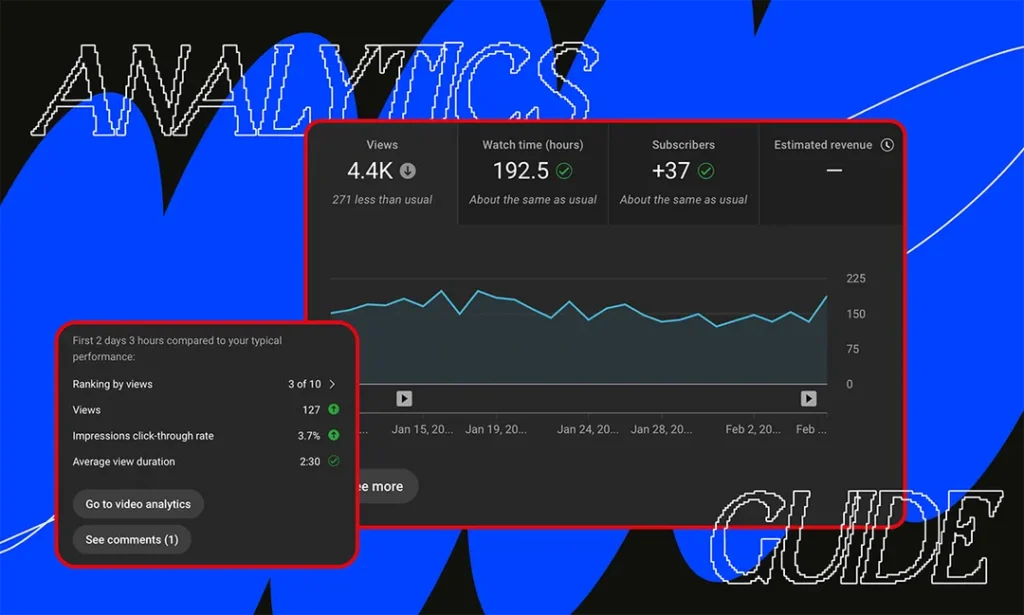
YouTube has become one of the most powerful digital platforms for creators, businesses, and brands. With billions of users consuming video content daily, success on YouTube is no longer based on creativity alone. Data plays a critical role in understanding what works, what doesn’t, and how to grow consistently. This is where a YouTube Analytics Tool becomes essential. A YouTube analytics tool helps creators and marketers measure channel performance, analyze audience behavior, and optimize content strategy. In this blog, we’ll explore what a YouTube analytics tool is, how it works, its key features, and why it is crucial for channel growth. What Is a YouTube Analytics Tool? A YouTube analytics tool is a data‑driven platform that tracks and analyzes the performance of YouTube channels and videos. It provides detailed insights into views, watch time, audience demographics, engagement, traffic sources, and more. Instead of guessing which videos perform well, creators can rely on analytics to make informed decisions. These tools transform raw data into meaningful insights that support long‑term channel growth. Why YouTube Analytics Is Important Many creators focus only on views and subscribers, but these metrics alone do not tell the full story. YouTube analytics offers deeper insights into how viewers interact with content. Key reasons why analytics matter include: Understanding audience preferences Improving video performance Increasing watch time and engagement Identifying content opportunities Supporting monetization strategies Without analytics, growing a YouTube channel becomes inconsistent and unpredictable. How a YouTube Analytics Tool Works A YouTube analytics tool collects data directly from video activity and viewer behavior. Once connected to a channel, it tracks performance metrics in real time and presents them in easy‑to‑understand dashboards. Typical processes include: Data collection from videos and channel activity Performance comparison across time periods Visualization through graphs and charts Insights and recommendations for optimization This allows creators to monitor progress and adjust strategies effectively. Key Metrics Tracked by YouTube Analytics Tools 1. Views and Watch Time Views indicate how many times a video has been watched, while watch time shows how long viewers stay engaged. Watch time is one of the most important ranking factors on YouTube. A good analytics tool helps identify: High‑retention videos Drop‑off points Content that keeps viewers watching longer 2. Audience Retention Audience retention shows how much of a video viewers watch before leaving. It helps creators understand whether their content holds attention. High retention often leads to: Better video rankings Increased recommendations Stronger channel growth 3. Subscriber Growth Analytics tools track subscriber gains and losses for each video. This reveals what type of content encourages viewers to subscribe. Understanding subscriber behavior helps creators: Focus on high‑impact content Improve calls to action Build a loyal audience 4. Engagement Metrics Engagement includes likes, comments, shares, and saves. These metrics show how viewers interact with content. Higher engagement signals quality to YouTube’s algorithm and improves visibility. 5. Traffic Sources A YouTube analytics tool shows where views come from, such as: YouTube search Suggested videos External websites Social media platforms This helps creators optimize titles, descriptions, and promotion strategies. Audience Insights and Demographics Understanding the audience is key to content success. Analytics tools provide demographic data such as: Age groups Gender Geographic location Viewing devices These insights help tailor content, posting schedules, and messaging to the right audience. Content Optimization Using Analytics YouTube analytics tools play a major role in content optimization. By reviewing performance data, creators can refine their strategy. Analytics help with: Choosing video topics Improving titles and thumbnails Adjusting video length Optimizing posting times Data‑backed decisions lead to consistent improvement. Role of YouTube Analytics in SEO YouTube is the second‑largest search engine in the world. Analytics tools support YouTube SEO by showing which keywords, titles, and descriptions perform best. Benefits for SEO include: Identifying high‑ranking videos Optimizing keywords and tags Increasing click‑through rate Improving watch time This helps videos rank higher in YouTube search and recommendations. YouTube Analytics for Businesses and Brands Businesses use YouTube analytics to measure campaign performance and brand impact. For brands, analytics help evaluate: Video reach and impressions Engagement levels Conversion‑driven content Audience interest in products or services This data supports smarter marketing decisions and better ROI. Monetization and Revenue Tracking For monetized channels, analytics tools track revenue performance, including: Ad revenue RPM and CPM Top‑earning videos Revenue trends Understanding revenue data helps creators focus on profitable content formats and niches. Free vs Advanced YouTube Analytics Tools Free Analytics Tools YouTube Studio provides built‑in analytics that cover essential metrics. It is suitable for beginners and small creators. Advanced Analytics Tools Third‑party tools offer deeper insights, competitor analysis, historical data, and advanced reporting. These are ideal for professionals, agencies, and large channels. Choosing the right tool depends on growth goals and data requirements. Common Mistakes Without Using Analytics Creators who ignore analytics often: Repeat low‑performing content Miss growth opportunities Upload inconsistently Fail to understand audience behavior Using a YouTube analytics tool helps avoid these mistakes and supports steady growth. Best Practices for Using YouTube Analytics Tools To get the most out of analytics: Review data regularly Compare performance over time Test different content formats Focus on watch time and retention Align content with audience interest Analytics should guide strategy, not overwhelm creativity. The Future of YouTube Analytics As AI and data technology advance, YouTube analytics tools are becoming smarter. Future tools may include: Predictive performance insights AI‑based content suggestions Automated optimization tips Deeper audience behavior analysis These advancements will make data even more valuable for creators and brands. Conclusion A YouTube analytics tool is essential for anyone serious about growing on YouTube. It provides valuable insights into performance, audience behavior, and content effectiveness. Instead of relying on guesswork, creators can make informed decisions that lead to consistent growth. Whether you are a content creator, marketer, or business owner, using a YouTube analytics tool helps you understand your channel, optimize content, and maximize reach in a competitive digital environment.