
How to Avoid Plagiarism: Using Online Plagiarism Checkers Effectively
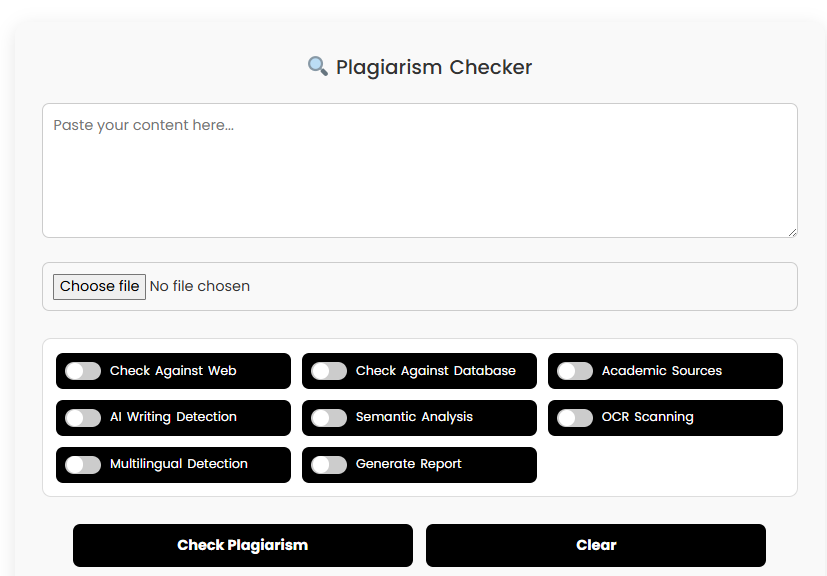
Plagiarism is a serious issue in the world of content creation, and it can have far-reaching consequences on your reputation, SEO rankings, and even legal standing. Whether you’re a student, a writer, a blogger, or a business professional, understanding how to avoid plagiarism is essential for maintaining integrity in your work. In this article, we will explore the importance of using online plagiarism checkers effectively to ensure your content is 100% original, and how these tools can support your efforts in producing high-quality, ethical material. What is Plagiarism and Why Should You Avoid It? Before diving into how to avoid plagiarism, it’s crucial to understand what plagiarism is. At its core, plagiarism refers to the act of copying someone else’s ideas, work, or content and presenting it as your own without proper attribution. This unethical practice can be intentional or accidental, but regardless of the intention, the consequences can be severe. The Risks of Plagiarism Legal Repercussions: In some cases, plagiarism can lead to legal action, especially if copyrighted materials are involved. Damaged Reputation: For content creators, plagiarism can ruin credibility and erode trust with your audience. SEO Penalties: Search engines like Google prioritize original content. Duplicate content can result in lower search rankings, diminishing the reach of your work. Academic Consequences: For students, plagiarism can lead to severe academic penalties, including expulsion in some cases. By using online plagiarism checkers, you can avoid these risks and produce content that is both original and trustworthy. How Do Online Plagiarism Checkers Help You Avoid Plagiarism? Online plagiarism checkers are powerful tools designed to detect copied content and similarities between your work and existing material on the web. These tools compare your text against a vast database of websites, articles, academic papers, and books to identify potential instances of plagiarism. Key Features of Plagiarism Checkers Comprehensive Database: Most plagiarism checkers scan millions of websites, academic journals, and articles to find matching content. Real-Time Detection: They instantly compare your content with their databases and highlight any similarities. Reports and Analytics: These tools generate detailed reports, showing the percentage of plagiarism and listing the sources from which content might have been copied. Multiple File Formats: Plagiarism checkers can handle various file types like Word documents, PDFs, and even web pages. By leveraging these features, you can quickly identify problematic sections in your content and take the necessary steps to correct them before publication. Popular Online Plagiarism Checkers You Should Consider There are numerous plagiarism detection tools available online. Below are some of the most popular and reliable ones: 1. Turnitin Turnitin is widely used by educational institutions, academic writers, and researchers. It compares documents to a vast database of academic work, including journals, publications, and student papers. Its detailed report shows the exact sources from which the text has been plagiarized. Pricing: Subscription-based pricing varies by institution or individual. Typical cost ranges from $5 to $50 per month, depending on the plan. 2. Copyscape Copyscape is a popular tool for bloggers, writers, and SEO professionals. It checks for duplicate content across the internet, helping content creators ensure that their work is unique. It’s user-friendly and offers a free version with limited features. Pricing: Free basic version available. Premium plans start at $0.05 per search. 3. Grammarly Grammarly, primarily known as a grammar checker, also offers plagiarism detection as part of its premium plan. It scans billions of web pages to identify content duplication, making it an excellent choice for writers seeking to improve both writing quality and originality. Pricing: Premium plan starts at $12 per month. 4. Quetext Quetext offers a straightforward plagiarism detection tool, providing both a free and Pro version. The Pro version provides in-depth analysis, which is great for professional content creators. Pricing: Free version available. Pro version starts at $10 per month. 5. Plagscan Plagscan is a plagiarism checker with a focus on academic writing and research papers. It offers real-time reports, supports multiple languages, and integrates with various document management systems. Pricing: Prices start at $5.99 for 1,000 words. How to Use Plagiarism Checkers Effectively 1. Choose the Right Tool for Your Needs Not all plagiarism checkers are the same. Some tools are better suited for academic content, while others are more appropriate for business or web content. It’s essential to choose the tool that best fits your type of work. 2. Understand the Report When you run a plagiarism check, the tool will provide you with a detailed report. Pay close attention to: Plagiarism Percentage: A high percentage of similarity indicates potential plagiarism. Source Details: The report will list sources where similar content is found. Use this to verify whether the matching content is indeed plagiarized or simply a coincidence. Matching Text: Highlighted sections that need to be rewritten or reworded. 3. Act on the Findings Once the plagiarism checker identifies similarities, take action: Cite Properly: If the similarity is due to direct quotes or ideas, ensure proper citation. Rephrase or Rewrite: If the tool detects paraphrasing, consider rewriting the content or rephrasing it to make it more original. Add Original Input: Strengthen the uniqueness of your content by adding your voice and analysis. 4. Check for Paraphrasing Plagiarism checkers can also identify instances of paraphrased content, which can be just as damaging as direct copying. Even when you paraphrase, make sure that the core idea is presented in your unique way, and always credit the original source if necessary. 5. Use Multiple Tools Sometimes, relying on one plagiarism checker may not be enough. Use a combination of free and paid tools to ensure your content is 100% original. How Much Do Plagiarism Checkers Cost? Pricing for plagiarism checkers varies widely, depending on the tool and the features offered. Here’s a breakdown of typical pricing: Tool Pricing Structure Key Features Turnitin Subscription-based (varies by institution) Academic-focused, in-depth analysis Copyscape Free and premium plans (start at $0.05) Web-focused, simple interface Grammarly $12 per month for Premium Grammar + Plagiarism detection Quetext Free and Pro (start at $10/month) Deep