
How 5G Technology Is Changing Connectivity
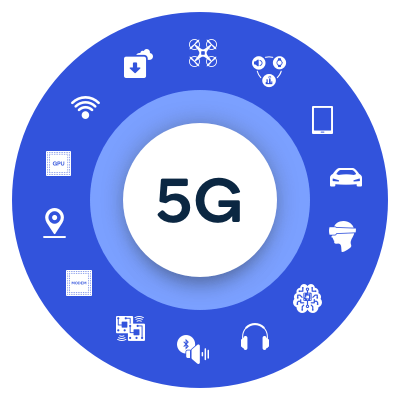
Introduction Technology is evolving faster than ever, and 5G technology is one of the biggest innovations shaping the future of connectivity. Unlike previous mobile networks, 5G offers ultra-fast speeds, low latency, and massive device connectivity. This blog explores how 5G technology is changing connectivity and transforming industries, businesses, and everyday life. What Is 5G Technology? 5G is the fifth generation of wireless network technology. It is designed to provide faster data speeds, more reliable connections, and improved capacity compared to 4G LTE. Key features of 5G: Extremely fast internet speed Low latency (near real-time response) Supports millions of connected devices Faster Internet Speeds One of the biggest advantages of 5G is its speed. It can be up to 100 times faster than 4G, allowing users to download large files in seconds. Benefits of faster speeds: Seamless video streaming Faster app downloads Better gaming experience High-quality video calls Lower Latency and Real-Time Communication Latency refers to the delay between sending and receiving data. 5G significantly reduces latency, making real-time communication possible. Industries benefiting from low latency: Online gaming Remote healthcare Autonomous vehicles Virtual reality (VR) Growth of Internet of Things (IoT) 5G enables billions of devices to connect simultaneously, boosting the Internet of Things (IoT) ecosystem. Examples of IoT with 5G: Smart homes Wearable health devices Industrial automation Smart agriculture Transformation of Healthcare 5G is revolutionizing healthcare through telemedicine and remote monitoring. Healthcare advancements with 5G: Remote surgeries Real-time patient monitoring Faster medical data sharing AI-powered diagnostics Impact on Businesses and Industries Businesses are adopting 5G to improve efficiency, productivity, and innovation. Business benefits of 5G: Cloud computing enhancements Smart manufacturing Faster data processing Improved customer experience Smart Cities and Infrastructure 5G plays a key role in building smart cities by enabling connected infrastructure. Smart city applications: Intelligent traffic systems Energy management Public safety monitoring Environmental tracking Enhanced Mobile Experiences 5G improves everyday mobile usage, from social media to entertainment. User experience improvements: No buffering Better video quality Faster browsing Improved mobile apps Challenges and Limitations of 5G Despite its benefits, 5G faces some challenges: Infrastructure costs Limited coverage in rural areas Device compatibility Security concerns The Future of Connectivity with 5G As 5G networks expand globally, they will enable new technologies like AI, AR, VR, and smart automation, shaping the digital future. Conclusion 5G technology is changing connectivity by delivering faster speeds, lower latency, and greater reliability. It is transforming industries, improving communication, and paving the way for a smarter, more connected world. As adoption increases, 5G will continue to redefine how we live and work.