
How Technology Is Changing Daily Life
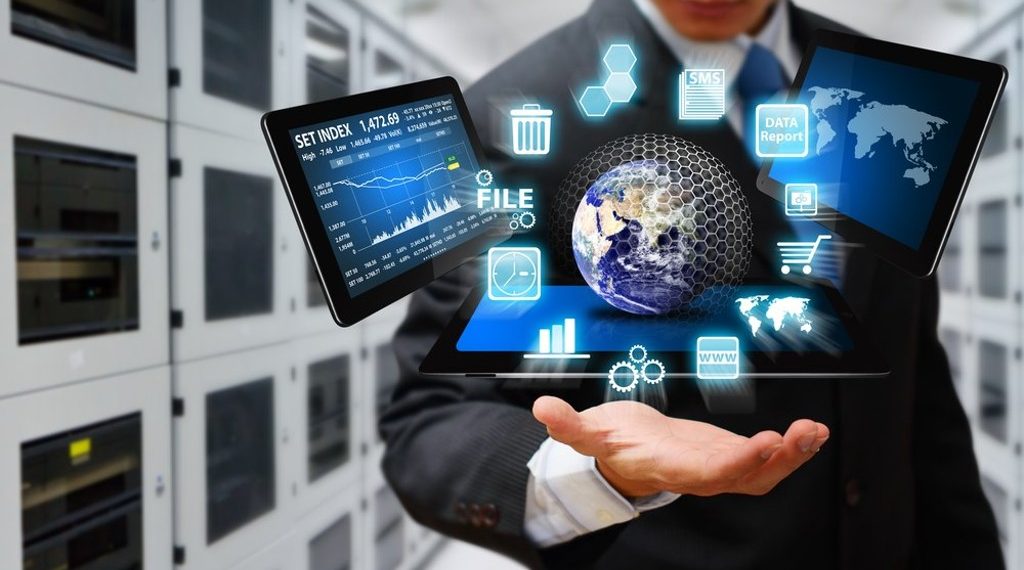
In the 21st century, technology has become an integral part of our daily existence. It influences everything from the way we communicate and work to how we stay healthy and entertained. Technology continues to evolve at an exponential rate, bringing both challenges and opportunities to society. In this blog post, we will explore how technology is changing daily life and the impact it has on various aspects of human experience. 1. Smartphones: The Heart of Modern Life One of the most transformative technological advances in recent history is the smartphone. These handheld devices have evolved from simple communication tools to multifunctional hubs that serve a wide range of purposes. Smartphones enable us to stay connected through social media, make instant payments, track our fitness, navigate the world using GPS, and access almost any information at the tap of a finger. Key Impact: Communication: Social media apps, messaging services, and video calls keep us in constant touch with others around the world. Productivity: Smartphones allow users to work on the go, manage tasks, and access emails and documents from anywhere. Entertainment: From streaming services to games, smartphones have become a primary source of entertainment. Despite their many benefits, smartphones also pose challenges, including the potential for addiction, privacy concerns, and information overload. 2. The Rise of Social Media: Revolutionizing Interaction Social media platforms like Facebook, Instagram, Twitter, and LinkedIn have dramatically changed how people interact with each other. They allow individuals to stay connected with family and friends, discover new ideas, and engage with communities worldwide. Social media has also given rise to influencer culture, where individuals can build massive followings and leverage that influence for personal or business gain. Key Impact: Social Connectivity: People can stay connected with loved ones, regardless of geographic distance. Business Marketing: Brands use social media to engage with customers, promote products, and build brand loyalty. Personal Expression: Social media allows individuals to share their thoughts, experiences, and creativity with a global audience. However, social media also raises concerns such as the spread of misinformation, privacy issues, and its potential negative effects on mental health. 3. Communication Technology: From Face-to-Face to Virtual Interactions Communication technology has evolved significantly over the past few decades. Video conferencing platforms like Zoom, Google Meet, and Microsoft Teams have made it possible for people to work and collaborate remotely, making communication more flexible and efficient. This shift towards virtual meetings became particularly prominent during the COVID-19 pandemic and continues to be a staple in the business world. Key Impact: Remote Work: Employees can now work from home, reducing commute time and offering more flexibility in work-life balance. Global Collaboration: Virtual meetings enable professionals from around the world to collaborate seamlessly, regardless of location. Ease of Access: Video calls, emails, and messaging apps make it easier than ever to communicate instantly. Although virtual communication tools have made working remotely more accessible, they also create new challenges, such as work-life boundaries being blurred and feelings of isolation among employees. 4. Smart Homes: Automation for Everyday Comfort Smart home technology has gained tremendous popularity in recent years, offering homeowners greater control over their living spaces. Devices like smart thermostats, lighting systems, and security cameras can be controlled remotely, creating a more efficient and personalized living environment. These devices rely on the Internet of Things (IoT) to connect and communicate with each other, making homes smarter and more energy-efficient. Key Impact: Convenience: Smart speakers, thermostats, and lights offer hands-free control over various household tasks. Energy Efficiency: Devices like smart thermostats help save energy by adjusting temperatures based on users’ routines. Security: Smart security cameras and doorbells allow homeowners to monitor their properties in real time, even when they are away. While these devices offer convenience, concerns about privacy and data security remain, as smart home devices often collect personal data about users’ habits and preferences. 5. Health and Wellness: Technology’s Role in Modern Healthcare Technology is transforming healthcare by making medical services more accessible and personalized. Innovations such as telemedicine, wearables, and artificial intelligence (AI) are empowering both patients and healthcare professionals to make more informed decisions about health and wellness. Key Impact: Telemedicine: Virtual consultations have become a valuable tool for patients seeking medical advice without needing to visit a clinic. Wearables: Fitness trackers and smartwatches allow users to monitor their physical activity, heart rate, and sleep patterns in real time. AI in Healthcare: AI algorithms are being used to analyze medical data, assist in diagnosing conditions, and personalize treatment plans. Although these advancements offer incredible benefits, concerns over privacy, data accuracy, and accessibility for underserved communities need to be addressed. 6. Education Technology: Learning Anytime, Anywhere The rise of online learning platforms and digital tools is revolutionizing the education sector. Technology has made education more accessible by allowing students to access a vast array of courses, resources, and materials from anywhere in the world. With platforms like Coursera, edX, and Khan Academy, learners can acquire new skills, certifications, or even full degrees without ever stepping foot in a traditional classroom. Key Impact: Accessibility: Online learning breaks down barriers, allowing individuals from all backgrounds to access educational content. Flexibility: Learners can study at their own pace and on their own schedule, making education more adaptable to diverse lifestyles. Immersive Learning: Virtual reality (VR) and augmented reality (AR) are enhancing the learning experience by providing hands-on, interactive lessons. However, the digital divide remains a significant challenge, as not all students have access to the necessary technology or internet connectivity to participate in online education. 7. E-Commerce: Changing the Shopping Experience E-commerce has fundamentally changed how people shop. Platforms like Amazon, eBay, and Alibaba have made it possible to buy anything from anywhere and have it delivered to your door within a matter of days. Online shopping offers unmatched convenience, allowing consumers to browse a wide range of products without leaving their homes. Key Impact: Convenience: E-commerce platforms allow users to shop 24/7, with easy payment options and quick delivery. Global Reach: Consumers can purchase
How 5G Technology Is Changing Connectivity
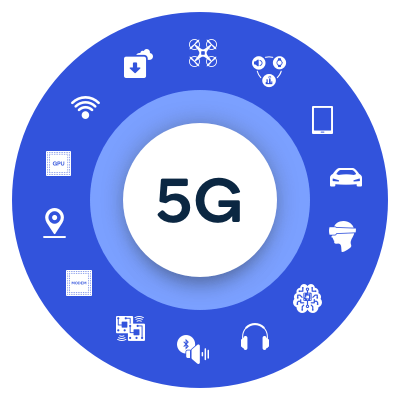
Introduction Technology is evolving faster than ever, and 5G technology is one of the biggest innovations shaping the future of connectivity. Unlike previous mobile networks, 5G offers ultra-fast speeds, low latency, and massive device connectivity. This blog explores how 5G technology is changing connectivity and transforming industries, businesses, and everyday life. What Is 5G Technology? 5G is the fifth generation of wireless network technology. It is designed to provide faster data speeds, more reliable connections, and improved capacity compared to 4G LTE. Key features of 5G: Extremely fast internet speed Low latency (near real-time response) Supports millions of connected devices Faster Internet Speeds One of the biggest advantages of 5G is its speed. It can be up to 100 times faster than 4G, allowing users to download large files in seconds. Benefits of faster speeds: Seamless video streaming Faster app downloads Better gaming experience High-quality video calls Lower Latency and Real-Time Communication Latency refers to the delay between sending and receiving data. 5G significantly reduces latency, making real-time communication possible. Industries benefiting from low latency: Online gaming Remote healthcare Autonomous vehicles Virtual reality (VR) Growth of Internet of Things (IoT) 5G enables billions of devices to connect simultaneously, boosting the Internet of Things (IoT) ecosystem. Examples of IoT with 5G: Smart homes Wearable health devices Industrial automation Smart agriculture Transformation of Healthcare 5G is revolutionizing healthcare through telemedicine and remote monitoring. Healthcare advancements with 5G: Remote surgeries Real-time patient monitoring Faster medical data sharing AI-powered diagnostics Impact on Businesses and Industries Businesses are adopting 5G to improve efficiency, productivity, and innovation. Business benefits of 5G: Cloud computing enhancements Smart manufacturing Faster data processing Improved customer experience Smart Cities and Infrastructure 5G plays a key role in building smart cities by enabling connected infrastructure. Smart city applications: Intelligent traffic systems Energy management Public safety monitoring Environmental tracking Enhanced Mobile Experiences 5G improves everyday mobile usage, from social media to entertainment. User experience improvements: No buffering Better video quality Faster browsing Improved mobile apps Challenges and Limitations of 5G Despite its benefits, 5G faces some challenges: Infrastructure costs Limited coverage in rural areas Device compatibility Security concerns The Future of Connectivity with 5G As 5G networks expand globally, they will enable new technologies like AI, AR, VR, and smart automation, shaping the digital future. Conclusion 5G technology is changing connectivity by delivering faster speeds, lower latency, and greater reliability. It is transforming industries, improving communication, and paving the way for a smarter, more connected world. As adoption increases, 5G will continue to redefine how we live and work.