
The Difference Between Wether, Weather, and Whether

English can be tricky, especially when it comes to homophones — words that sound the same but have different meanings and spellings. “Wether”, “weather”, and “whether” are a classic example. These three words might seem similar, but they each serve a different purpose in the English language. Understanding their differences is essential to using them correctly in writing and speech. Let’s break them down: 1. Wether Definition:“Wether” refers to a castrated male sheep or sometimes other livestock like goats. It is a term commonly used in farming or animal husbandry. Usage: “The farmer raised a flock of wethers for their wool.” “The rancher sold the wether at the livestock auction.” Note:This word is the least commonly used in everyday conversation, unless you’re specifically discussing animals or farming. 2. Weather Definition:“Weather” refers to the conditions in the atmosphere at a particular time and place, including elements like temperature, precipitation, wind, and cloudiness. It can also refer to the state of the atmosphere in general (for example, the weather forecast for tomorrow). Usage: “The weather is sunny today, perfect for a picnic.” “The weather forecast predicts heavy rain this evening.” “The stormy weather caused the flight delays.” Note:It’s commonly used in everyday conversations, especially when talking about the climate or conditions outside. 3. Whether Definition:“Whether” is a conjunction used to introduce choices, possibilities, or uncertainty. It is often paired with the word or, implying that two (or more) alternatives are being considered. Usage: “I don’t know whether I should go to the party or stay home.” “The teacher asked whether anyone had questions.” “Can you tell me whether she’s coming to the meeting?” Note:“Whether” is often confused with “if”, but “whether” is preferred when showing that two possibilities or alternatives are being presented. Summary Table Word Meaning Example Sentence Wether A castrated male sheep or goat “The farmer had several wethers in his herd.” Weather The atmospheric conditions (temperature, rain, etc.) “The weather looks great for a walk in the park today.” Whether A conjunction indicating choices or possibilities “I don’t know whether to go to the concert or stay home.” Quick Tip for Remembering: Wether: Think of “wool” (because wethers are sheep, which produce wool). Weather: Think of the “sky” or “forecast”. Whether: Think of “alternatives” or “choices”. Conclusion Now that you know the difference between wether, weather, and whether, you can use these words correctly in your writing and conversation. Remember, wether is related to animals, weather deals with atmospheric conditions, and whether presents choices or possibilities. With practice, these tricky homophones will become easy to distinguish!
Detailed Breakdown of U.S. States by Population, Area, and Density

The United States of America is home to a diverse population of over 330 million people, spread across 50 states, each with its own unique geographic features, cultural distinctions, and population characteristics. Understanding how the population is distributed across the country, in relation to the size of each state and its population density, is crucial for a variety of fields such as urban planning, economics, and social sciences. In this blog post, we will explore the population, area, and population density of each U.S. state. We’ll break down how these factors contribute to the social, economic, and geographic landscape of the United States. Population Distribution in the U.S. The population of each state in the U.S. is a result of a variety of factors, including climate, job opportunities, cultural significance, and historical development. Some states, like California and Texas, are home to millions of people, while others, like Wyoming and Vermont, have relatively small populations. States with the Largest Populations California: With 39,500,000 people, California is by far the most populous state in the U.S. This is largely due to its role as an economic powerhouse, attracting people for its tech industry, entertainment sector, and diverse job opportunities. Major cities like Los Angeles, San Francisco, and San Diego contribute to its large population. Texas: The second-largest state by population, Texas boasts around 29,000,000 people. Its major cities, such as Houston, Dallas, and Austin, attract people due to their booming industries, low cost of living, and diverse culture. Florida: With 21,500,000 residents, Florida is home to major tourist destinations like Miami, Orlando, and the Florida Keys. The state’s warm climate and affordable housing have also made it a popular destination for retirees. New York: New York comes in fourth with approximately 19,800,000 residents. The state is home to New York City, one of the most populous and diverse cities in the world, contributing significantly to the state’s population. States with the Smallest Populations Wyoming: With a population of just 580,000, Wyoming is the least populous state in the U.S. Its vast landscapes, including national parks like Yellowstone, contribute to its sparse population density. Vermont: Vermont, with a population of 850,000, is another state with relatively few people. Its small, rural communities and mountainous terrain make it a quieter, less densely populated state. State Area: Geography’s Role in Population Distribution The area of a state plays a significant role in shaping its population. Larger states, like Alaska and Texas, often have more room for development and habitation. However, the population isn’t always distributed evenly within these states. States with the Largest Areas Alaska: The largest state by area, Alaska spans 663,300 square miles. Despite its vast size, Alaska’s population is relatively small (around 740,000) due to its harsh climates, remote location, and limited urbanization. This makes it one of the least densely populated states. Texas: The second-largest state in terms of land area, Texas covers 268,596 square miles. Although it has a large population, Texas still has plenty of rural areas, which helps to maintain a relatively low population density compared to more densely populated states. California: California, while not as large as Alaska or Texas, is still expansive, covering 163,696 square miles. The size of California allows for diverse geographic regions, from beaches to mountains to deserts, which has influenced the development of major cities and industries. States with the Smallest Areas Rhode Island: At just 1,034 square miles, Rhode Island is the smallest state in the U.S. Despite its small size, Rhode Island is densely populated, with about 1,060,000 people living there. The small geographic footprint has led to high urbanization and relatively few rural areas. Delaware: Another small state, Delaware covers 2,489 square miles, with a population of around 970,000. It is the second smallest state in the U.S. and has a high population density as a result of its proximity to major metropolitan areas like Philadelphia. Population Density: How People Are Spread Out Population density refers to the number of people living per square mile in a given area. It’s a critical measure for understanding how crowded a state or city is and plays a key role in urban planning, resource allocation, and social services. States with the Highest Population Density New Jersey: New Jersey has the highest population density in the U.S., with 1,024 people per square mile. Its proximity to major cities like New York City and Philadelphia, as well as its small geographic size, contributes to this high density. Rhode Island: Despite its small size, Rhode Island has a very high population density, with 1,024 people per square mile. The urban areas of Providence and Newport significantly contribute to this density. Massachusetts: Massachusetts has a high density of 894 people per square mile, particularly in cities like Boston, which is one of the oldest and most populous cities in the U.S. States with the Lowest Population Density Alaska: As the largest state in terms of area, Alaska has the lowest population density, with just 1 person per square mile. The vast, rugged terrain and remote location limit the areas where people can live. Wyoming: Wyoming also has a very low population density, with only 6 people per square mile. Its expansive open spaces and mountainous landscapes contribute to its sparse population. Montana: Montana has a density of just 7 people per square mile. The state’s wide-open plains and low urban population contribute to its relatively low density. U.S. States Population, Area, and Density Table Here is the full table of U.S. states with their population, area, and density details: State Population (numerical) Area (square miles) Density (per square mile) 1. Alabama 5,000,000 52,420 96 2. Alaska 740,000 663,300 1 3. Arizona 7,280,000 113,990 64 4. Arkansas 3,040,000 53,179 57 5. California 39,500,000 163,696 251 6. Colorado 5,690,000 104,094 55 7. Connecticut 3,590,000 5,543 648 8. Delaware 970,000 2,489 392 9. Florida 21,500,000 65,758 394 10. Georgia 10,600,000 59,425 179 11. Hawaii 1,420,000 10,932 1319 12. Idaho 1,790,000 83,568 21 13. Illinois 12,670,000 57,914 219
Simple Daily Habits for a Healthier Life

Introduction Living a healthy life does not require extreme diets or intense workout routines. In fact, small daily habits can make a huge difference over time. Simple lifestyle changes, when practiced consistently, can improve your physical health, mental well-being, and overall quality of life. In today’s fast-paced world, people often ignore basic self-care. This blog will guide you through easy daily habits for a healthier life that anyone can follow without stress. 1. Start Your Day with a Healthy Morning Routine A productive and healthy day begins in the morning. Waking up early allows your body and mind to prepare for the day ahead. Healthy morning habits include: Drinking a glass of warm water Stretching or light exercise Practicing deep breathing or meditation Avoiding mobile phones for the first 30 minutes 2. Stay Hydrated Throughout the Day Drinking enough water is one of the most important daily health habits. Water helps regulate body temperature, improves digestion, boosts energy levels, and supports skin health. Tips to stay hydrated: Carry a reusable water bottle Drink water before meals Replace sugary drinks with water or herbal tea 3. Eat Balanced and Nutritious Meals You don’t need a strict diet plan to eat healthy. Focus on balanced meals that include vegetables, fruits, lean proteins, whole grains, and healthy fats. Simple eating habits for better health: Avoid skipping meals Reduce processed and junk food Eat smaller portions Include fiber-rich foods 4. Move Your Body Every Day Daily movement is essential for both physical and mental health. You don’t need to go to the gym; even small activities can help. Easy daily physical activities: Walking for 20–30 minutes Taking stairs instead of elevators Light stretching during work breaks Yoga or home workouts 5. Get Quality Sleep Sleep plays a vital role in maintaining good health. Poor sleep can affect mood, focus, immunity, and weight. Healthy sleep habits: Sleep 7–8 hours daily Avoid screens before bedtime Keep a fixed sleep schedule Create a calm sleeping environment 6. Practice Mindfulness and Stress Management Mental health is just as important as physical health. Practicing mindfulness helps reduce stress and improves emotional balance. Simple mindfulness habits: Meditation for 5–10 minutes Journaling thoughts Deep breathing exercises Limiting negative news intake 7. Limit Screen Time and Digital Overload Excessive screen time can cause eye strain, poor posture, and mental fatigue. Reducing screen usage improves focus and sleep quality. Healthy digital habits: Take screen breaks every hour Avoid phones during meals Set daily screen time limits 8. Maintain Personal Hygiene and Clean Surroundings Cleanliness directly impacts health. Simple hygiene habits can prevent infections and improve overall well-being. Daily hygiene tips: Wash hands regularly Keep living space clean Maintain oral hygiene 9. Build Positive Social Connections Strong relationships improve emotional health and reduce loneliness. Healthy social habits: Talk to family and friends daily Spend quality time with loved ones Practice gratitude and kindness 10. Be Consistent, Not Perfect Healthy living is not about perfection. It’s about consistency. Small efforts done daily create long-term benefits. Conclusion Adopting simple daily habits for a healthier life doesn’t require drastic changes. By focusing on hydration, nutrition, movement, sleep, and mindfulness, you can improve your health step by step. Start small, stay consistent, and enjoy a healthier and happier life.
Emerging Technology Trends Shaping the Future – What You Need to Know

Introduction: The Future of Technology is Now In the last decade, technology has evolved at an unprecedented pace, transforming the way we live, work, and interact. From artificial intelligence (AI) to blockchain, the technological landscape is shifting, and these changes are shaping the future in ways we couldn’t have imagined just a few years ago. The rapid advancements in technology are not just changing industries but are also disrupting societal norms and creating new opportunities for innovation. As we move further into the digital age, understanding the latest technology trends is essential for staying ahead of the curve and capitalizing on the benefits these innovations offer. In this blog, we will explore the most significant technology trends that are shaping the future and what they mean for businesses, individuals, and industries. 1. Artificial Intelligence and Machine Learning AI and ML: The Future of Automation Artificial intelligence (AI) and machine learning (ML) are among the most transformative technologies in the world today. AI involves creating systems that can perform tasks that typically require human intelligence, such as recognizing speech, making decisions, or understanding natural language. Machine learning, a subset of AI, focuses on training algorithms to improve their performance over time by learning from data. Key Impacts of AI and ML: Automation: AI and ML are enabling automation across various industries, from customer service chatbots to autonomous vehicles. This leads to increased efficiency and cost savings while reducing the need for human intervention in repetitive tasks. Predictive Analytics: AI is also revolutionizing data analysis by offering advanced predictive analytics. Businesses can now use AI-powered tools to forecast trends, customer behaviors, and even potential business risks with a high degree of accuracy. Healthcare: AI is transforming the healthcare sector by enabling precision medicine, automating diagnostic processes, and improving patient outcomes through predictive models. The Road Ahead As AI and ML continue to evolve, we can expect more innovations in autonomous systems, smart devices, and AI-powered solutions that will further disrupt traditional industries. 2. 5G and Connectivity The Next Generation of Wireless Technology 5G is the fifth generation of wireless technology, offering speeds and capabilities far beyond its predecessors. While 4G brought us fast mobile internet, 5G takes it to the next level, with speeds that are up to 100 times faster than 4G and significantly lower latency. Key Impacts of 5G: Enhanced Connectivity: 5G will make it possible to connect more devices with minimal delay, paving the way for innovations in smart cities, IoT (Internet of Things), and autonomous systems. IoT Expansion: The massive bandwidth and low latency of 5G will enable IoT devices to operate seamlessly, leading to smarter homes, factories, and cities. Sensors, wearables, and connected devices will be able to communicate in real time, creating more efficient and responsive environments. Augmented and Virtual Reality: 5G will support the widespread adoption of AR and VR technologies. With its high speeds and low latency, 5G will enable more immersive and interactive experiences in gaming, education, and even healthcare. The Road Ahead 5G will usher in a new era of connectivity, enabling innovations like autonomous vehicles, remote surgery, and smart city infrastructure, while also transforming industries from healthcare to entertainment. 3. Blockchain and Decentralization Blockchain: Transforming Security and Transparency Blockchain technology, originally introduced as the foundation of cryptocurrencies like Bitcoin, is rapidly gaining traction across various sectors. Blockchain provides a secure, transparent, and decentralized way of recording transactions without the need for intermediaries. This has the potential to transform industries that rely on centralized systems. Key Impacts of Blockchain: Cryptocurrency and Finance: Blockchain has revolutionized the finance industry by enabling cryptocurrencies such as Bitcoin and Ethereum, allowing for decentralized and secure transactions. It also opens the door to decentralized finance (DeFi), which eliminates traditional banking intermediaries. Supply Chain Transparency: Blockchain enhances supply chain transparency by providing an immutable record of every transaction, from raw materials to finished products. This is particularly important in industries like food safety and pharmaceuticals, where transparency is essential for quality control and compliance. Smart Contracts: Blockchain enables the use of smart contracts—self-executing contracts with the terms directly written into code. These contracts automatically execute when predefined conditions are met, reducing the need for manual intervention and increasing efficiency. The Road Ahead Blockchain will continue to evolve beyond cryptocurrencies and become integral to sectors like healthcare, logistics, and government, enabling more secure, transparent, and decentralized systems. 4. Quantum Computing Quantum Leap in Computing Power Quantum computing is an emerging field that leverages the principles of quantum mechanics to process information in fundamentally different ways than classical computers. Quantum computers use qubits (quantum bits) instead of regular bits, enabling them to perform complex calculations exponentially faster than traditional computers. Key Impacts of Quantum Computing: Unsolvable Problems: Quantum computing has the potential to solve problems that are currently unsolvable by classical computers, including complex simulations, optimization problems, and drug discovery. Cryptography: Quantum computing could revolutionize cryptography by cracking existing encryption methods, but it also opens the door to the development of new, quantum-resistant encryption algorithms. Artificial Intelligence and Machine Learning: Quantum computing could significantly enhance AI and ML algorithms by providing faster processing power for analyzing large datasets and improving decision-making processes. The Road Ahead Quantum computing is still in its infancy, but its potential to solve some of the most complex problems facing humanity means it will be a key player in fields like cybersecurity, medicine, and materials science. 5. Robotics and Automation Robots Revolutionizing the Workforce Robotics and automation technologies are transforming industries by improving efficiency, reducing labor costs, and increasing safety. Robots are increasingly being used in manufacturing, logistics, and even healthcare, where they can perform tasks that are too dangerous or repetitive for humans. Key Impacts of Robotics: Manufacturing and Warehousing: Robots are now a common sight in factories and warehouses, where they handle tasks like assembly, packaging, and order fulfillment. Automation improves productivity and reduces errors, ensuring faster delivery times. Healthcare: Robotics is also changing the healthcare sector, with robots performing surgeries with high
Know Your Legal Rights as a Citizen – Essential Information for Everyone

Introduction: Understanding Your Legal Rights as a Citizen As a citizen of any nation, your legal rights are the foundation of your protection, freedom, and justice. These rights ensure that you are treated fairly, have access to basic services, and are safeguarded against injustice. Understanding your legal rights is essential, as it not only helps in asserting them when necessary but also empowers you to make informed decisions and seek legal remedies when required. In this blog, we will explore the different facets of legal rights that every citizen should be aware of. We’ll cover constitutional rights, civil rights, criminal rights, and other critical legal concepts. Whether you’re dealing with a legal issue or just want to understand your protections as a citizen, this guide will serve as a valuable resource. What Are Legal Rights? Legal rights are the entitlements or freedoms granted to individuals by law. These rights ensure protection from unfair treatment, abuse, or discrimination. They can vary depending on the legal system in place in a country, but there are certain fundamental rights that most legal systems protect, such as the right to life, the right to privacy, and the right to freedom of speech. Legal rights can be categorized into two broad groups: civil rights and political rights. Civil rights focus on the protection of individuals’ personal freedoms, while political rights are concerned with the rights of citizens to participate in political processes, such as voting. Constitutional Rights: The Backbone of Citizen Protections In most countries, constitutional rights serve as the foundation for all other legal protections. A constitution is the supreme law of the land and sets forth the fundamental rights and freedoms that citizens are entitled to. For example, in the United States, the Constitution guarantees rights such as freedom of speech, freedom of religion, and the right to a fair trial. In many countries, these rights are protected through amendments and legal provisions that ensure individuals’ freedoms are not infringed upon. 1. Right to Equality The right to equality ensures that every citizen is treated fairly, regardless of race, gender, religion, or background. This fundamental right guarantees that all people are equal before the law and are entitled to the same protections. Discrimination based on race, religion, or ethnicity is prohibited, ensuring a more just and inclusive society. 2. Freedom of Speech and Expression One of the most important rights is the freedom of speech. This allows individuals to express their thoughts, ideas, and opinions without fear of retaliation or censorship by the government. In many democratic countries, this right is essential for the functioning of a free society, allowing citizens to participate in public debates, protests, and political activities. 3. Right to Privacy The right to privacy ensures that individuals can live their lives free from unnecessary government surveillance and intrusion. This includes protections against unwarranted searches and seizures and guarantees the confidentiality of personal communications and information. With advancements in technology, this right has become increasingly important in the digital age, where personal data is frequently collected and shared. Civil Rights: Ensuring Equality and Justice Civil rights are those legal protections that ensure that all citizens are treated equally and have access to justice. These rights protect individuals from discrimination in various aspects of life, including employment, housing, education, and public services. 1. Protection Against Discrimination Civil rights laws prohibit discrimination based on race, sex, religion, national origin, and disability. This ensures that all citizens have equal access to opportunities and protections, regardless of their background. It also guarantees that individuals are not treated unfairly in the workplace or in any public institution. 2. Right to Vote The right to vote is one of the cornerstones of democracy. It allows citizens to participate in the election of their leaders and the formation of policies that affect their lives. Voting rights are protected by law, and many countries have implemented measures to prevent voter suppression or disenfranchisement, ensuring that all eligible citizens have an equal say in the political process. 3. Freedom from Arbitrary Arrest or Detention Another critical civil right is the freedom from arbitrary arrest or detention. This means that law enforcement cannot arrest or detain an individual without just cause or due process. If you are arrested, you have the right to know the charges against you, the right to an attorney, and the right to a fair trial. Criminal Rights: Protections for Those Accused of a Crime When you are accused of a crime, there are specific legal rights designed to ensure a fair trial and to protect you from unfair treatment. These rights help maintain justice in the legal system and ensure that individuals are not subjected to wrongful punishment. 1. Right to a Fair Trial One of the most important criminal rights is the right to a fair trial. This includes the right to be heard by an impartial judge, the right to a defense lawyer, and the right to present evidence in your defense. A fair trial ensures that individuals are not wrongfully convicted and that justice is served. 2. Right to Remain Silent If you are arrested or detained by law enforcement, you have the right to remain silent and not self-incriminate. This right is often referred to as the Miranda right in the U.S., and it ensures that individuals cannot be forced to confess to a crime or provide testimony that could be used against them in court. 3. Right to Bail In many legal systems, individuals who are accused of a crime but not yet convicted have the right to seek bail. Bail is a sum of money or property pledged to the court to ensure that the accused person will return for trial. This prevents individuals from being detained indefinitely while awaiting trial. Employment Rights: Protecting Workers and Ensuring Fair Treatment In the workplace, employees have specific legal rights that protect them from unfair treatment and discrimination. These rights ensure that workers are treated fairly and are entitled to compensation
Simple Daily Habits for a Healthier Life | Easy Wellness Tips That Work

Living a healthy life doesn’t require extreme diets, expensive gym memberships, or drastic lifestyle changes. In reality, small daily habits practiced consistently have the biggest impact on your overall health and well-being. A healthier life is built through mindful choices, simple routines, and sustainable behaviors that support both physical and mental health. In this blog, we’ll explore simple daily habits for a healthier life that are easy to follow, scientifically supported, and effective in the long run. Whether you’re busy with work, managing family responsibilities, or just starting your wellness journey, these habits can fit seamlessly into your daily routine. Why Daily Habits Matter for Long-Term Health Your health today is the result of the habits you practiced yesterday. Daily routines shape your energy levels, immune system, mental clarity, and emotional balance. While quick fixes may offer short-term results, healthy lifestyle habits build resilience and prevent chronic diseases over time. Long-tail keywords naturally covered in this article include: healthy daily routine simple habits for good health daily wellness tips healthy lifestyle changes habits to improve physical and mental health 1. Start Your Day with a Glass of Water One of the simplest yet most overlooked healthy habits is drinking water first thing in the morning. After 6–8 hours of sleep, your body is dehydrated and needs hydration to function properly. Benefits: Boosts metabolism Improves digestion Flushes out toxins Enhances brain function Tip: Add lemon or a pinch of Himalayan salt for extra minerals. 2. Maintain a Consistent Sleep Schedule Quality sleep is the foundation of a healthy life. Irregular sleep patterns disrupt hormones, weaken immunity, and increase stress levels. Healthy sleep habits include: Going to bed and waking up at the same time Avoiding screens 1 hour before sleep Keeping your room dark and cool Adults should aim for 7–9 hours of sleep every night to support mental and physical health. 3. Eat a Balanced and Nutrient-Rich Breakfast Skipping breakfast can lead to low energy, poor concentration, and overeating later in the day. A balanced breakfast fuels your body and stabilizes blood sugar levels. Healthy breakfast ideas: Eggs with whole-grain toast Oatmeal with fruits and nuts Smoothies with protein and fiber Focus on whole foods, not processed sugars. 4. Move Your Body Every Day (Even Light Movement Counts) You don’t need intense workouts to stay healthy. Daily physical activity, even for 20–30 minutes, significantly improves heart health and mood. Simple ways to stay active: Walking after meals Stretching in the morning Using stairs instead of elevators Short home workouts 5. Practice Mindful Eating Mindful eating means paying attention to what and how you eat. This habit helps improve digestion, control portion sizes, and prevent emotional eating. How to eat mindfully: Eat slowly Avoid screens while eating Listen to hunger and fullness cues This simple habit can dramatically improve your relationship with food. 6. Include More Fruits and Vegetables in Your Diet Fruits and vegetables are rich in vitamins, minerals, antioxidants, and fiber. A colorful plate means better nutrition. Easy ways to add them: Add vegetables to omelets Snack on fruits instead of chips Include salads or soups with meals Aim for at least 5 servings daily. 7. Reduce Sugar and Processed Food Intake Excess sugar and processed foods increase the risk of obesity, diabetes, and heart disease. Gradual reduction is more sustainable than cutting everything at once. Simple swaps: Replace soda with water Choose whole grains over refined flour Snack on nuts instead of sweets 8. Manage Stress with Daily Relaxation Practices Chronic stress negatively impacts both mental and physical health. Managing stress daily is essential for a healthier life. Stress-reducing habits: Deep breathing exercises Meditation or prayer Journaling Listening to calming music Even 10 minutes a day can make a difference. 9. Limit Screen Time and Digital Overload Too much screen time affects sleep, posture, and mental health. Reducing unnecessary digital exposure improves focus and emotional well-being. Healthy digital habits: Take screen breaks every hour Avoid phone use before bed Set social media limits 10. Maintain Good Personal Hygiene Personal hygiene is essential for preventing illness and maintaining self-confidence. Daily hygiene habits include: Washing hands frequently Oral care (brushing and flossing) Clean clothing and grooming 11. Build Positive Social Connections Human connection is a powerful contributor to mental health. Strong relationships reduce stress, anxiety, and depression. Simple ways to connect: Call a friend or family member Spend time with loved ones Engage in community activities Long-tail keyword: importance of social connections for mental health 12. Practice Gratitude Every Day Gratitude shifts focus from what’s lacking to what’s present. This habit improves emotional health and overall life satisfaction. Easy gratitude practices: Write 3 things you’re thankful for Express appreciation verbally Reflect before sleeping 13. Set Small, Achievable Health Goals Big goals can feel overwhelming. Small, daily goals are easier to maintain and lead to long-term success. Examples: Walk 5,000 steps Drink 8 glasses of water Eat one extra vegetable serving 14. Avoid Smoking and Limit Alcohol Consumption Smoking and excessive alcohol intake are major health risks. Reducing or eliminating these habits significantly improves longevity and quality of life. 15. Keep Your Mind Active Mental stimulation is just as important as physical fitness. Activities to boost brain health: Reading Learning new skills Puzzles and games Educational podcasts 16. Maintain Proper Posture Poor posture causes back pain, fatigue, and reduced lung capacity. Posture tips: Sit straight with shoulders relaxed Take posture breaks Adjust workstation ergonomics 17. Spend Time Outdoors Nature exposure improves mood, reduces stress, and boosts vitamin D levels. Simple outdoor habits: Morning walks Gardening Sitting in sunlight 18. Plan Your Day the Night Before Planning reduces stress and improves productivity. Benefits: Better time management Reduced anxiety Clear priorities 19. Listen to Your Body Your body constantly sends signals. Ignoring pain, fatigue, or hunger can lead to long-term health issues. Practice: Rest when tired Eat when hungry Seek medical advice when needed 20. Be Consistent, Not Perfect The key to a healthier life is consistency, not perfection. Missing a day
Word Counter Spanish & Checker | Accurate Word Count Tool

In the digital world, content accuracy and structure are more important than ever. Whether you are a student, content writer, translator, marketer, or SEO professional, tracking word count plays a critical role in producing high‑quality content. This becomes even more important when working with multilingual content, especially Spanish. A word counter Spanish tool combined with a reliable word counter checker helps writers maintain clarity, accuracy, and compliance with content requirements. This guide explains what a Spanish word counter is, how a word counter checker works, why it matters, and how it improves writing quality for Spanish and bilingual content creators. What Is a Word Counter? A word counter is a digital tool that calculates the total number of words in a piece of text. Modern word counters go beyond simple counting and provide additional insights such as character count, sentence count, paragraph structure, and estimated reading time. A word counter checker instantly analyzes text when pasted into the tool, allowing writers to track content length without manual effort. These tools are widely used in academic writing, SEO, blogging, translation work, and professional communication. Understanding Word Counter Spanish Tools A word counter Spanish tool is designed to accurately analyze Spanish‑language text. While Spanish and English share similarities, Spanish words often include accents, special characters, and compound structures that require precise handling. Spanish word counters are especially useful for: Spanish content writers Translators working with English‑to‑Spanish content Students submitting Spanish assignments Businesses targeting Spanish‑speaking audiences Using a dedicated Spanish word counter ensures accuracy and avoids miscalculations caused by language‑specific formatting. Why Word Count Matters in Spanish Writing Word count is more than a number—it directly impacts readability, compliance, and SEO performance. Academic Requirements Many Spanish academic institutions enforce strict word limits for essays, reports, and research papers. A word counter checker helps students stay within limits and avoid penalties. Content and SEO Optimization Search engines value structured and well‑sized content. Tracking word count ensures Spanish blogs and landing pages meet optimal content length without being too short or unnecessarily long. Translation Accuracy When translating content, word count often changes. A word counter Spanish tool helps translators manage length consistency across languages. How a Word Counter Checker Works A word counter checker uses algorithms to identify word boundaries, punctuation, and spacing. When text is submitted, the tool processes it and displays results instantly. Most word counter checkers provide: Total word count Character count (with and without spaces) Sentence and paragraph count Reading and speaking time Language‑specific accuracy For Spanish content, the checker recognizes accents and special characters without affecting the count. Key Benefits of Using a Word Counter Spanish Tool 1. Accurate Spanish Language Counting Spanish words with accents, hyphens, and compound forms are counted correctly, ensuring reliable results. 2. Time‑Saving and Efficient Manual counting is impractical. A word counter checker delivers instant results, improving productivity. 3. Improves Writing Structure Writers can adjust sentence length, paragraph balance, and overall structure based on word data. 4. Supports SEO Best Practices Tracking word count helps ensure Spanish content meets SEO guidelines and maintains readability. Who Should Use a Word Counter Spanish Checker? Students Students writing essays, theses, or assignments in Spanish can ensure compliance with academic requirements. Content Writers and Bloggers Spanish bloggers rely on word counters to maintain consistency, meet editorial standards, and improve reader engagement. Translators Translation often changes text length. A word counter Spanish tool helps translators match client requirements accurately. Digital Marketers Marketers use word counter checkers to optimize Spanish landing pages, ads, and SEO content. Word Counter Checker and SEO Word count plays a supporting role in search engine optimization. While quality always comes first, content length influences performance. A word counter checker helps with: Avoiding thin content Maintaining balanced keyword usage Structuring long‑form Spanish articles Optimizing meta descriptions and on‑page content For Spanish SEO, consistency and clarity are just as important as word count. Additional Features in Modern Word Counter Tools Many advanced word counters now include features such as: Character limits for ads and meta tags Reading time estimation Keyword frequency analysis Multilingual support including Spanish These features make word counter checkers powerful tools for professional writers. Free vs Paid Word Counter Checkers Free Word Counter Tools Free tools are ideal for basic needs and casual users. They provide quick word and character counts for Spanish text. Paid Word Counter Tools Premium tools offer deeper insights, better accuracy, data security, and advanced analytics for professional users. Choosing the right option depends on your workload and writing goals. Common Mistakes Without a Word Counter Without a word counter checker, writers often: Exceed required word limits Publish content that is too short Ignore readability and structure Struggle with SEO optimization Using a word counter Spanish tool helps eliminate these issues before publishing or submission. Best Practices for Using a Word Counter Spanish Tool To get the most value: Use the tool during drafting and final editing Combine it with grammar and plagiarism tools Focus on clarity, not just length Adjust content based on audience and platform A word counter should guide your writing, not restrict creativity. Future of Word Counter Tools As AI and content creation evolve, word counters are becoming smarter. Future tools may include: AI‑based writing suggestions Readability scoring for Spanish text Tone and clarity analysis SEO‑focused recommendations These advancements will make word counters even more valuable for multilingual content creators. Conclusion A word counter Spanish tool combined with a reliable word counter checker is essential for accurate, high‑quality writing. Whether you are a student, writer, translator, or marketer, tracking word count helps you meet requirements, improve structure, and optimize content for readers and search engines. In a content‑driven digital world, precision matters. Using the right word counter ensures your Spanish content is clear, professional, and effective.
YouTube Analytics Tool: Track Performance & Grow Your Channel
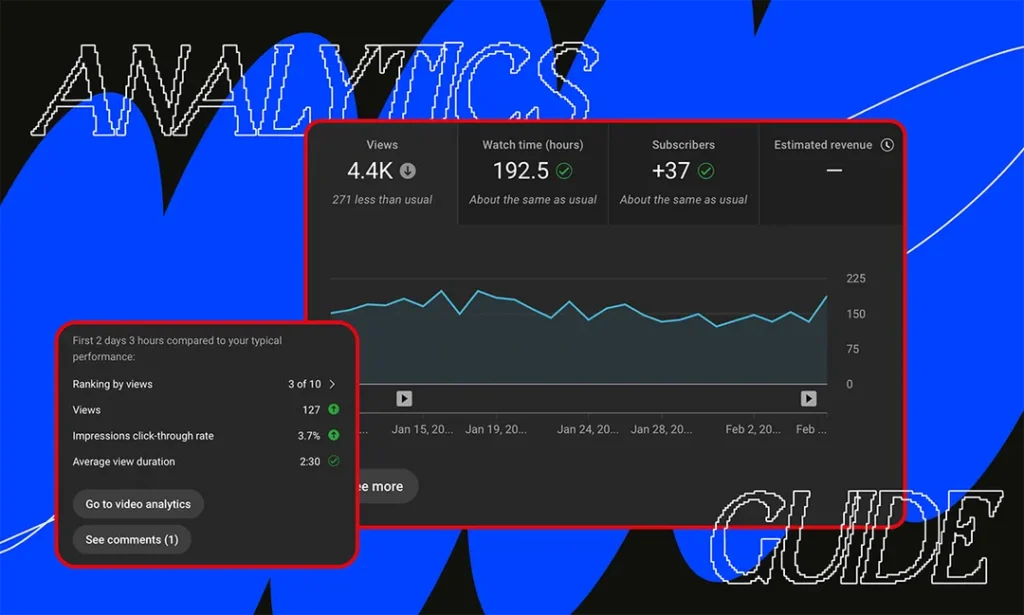
YouTube has become one of the most powerful digital platforms for creators, businesses, and brands. With billions of users consuming video content daily, success on YouTube is no longer based on creativity alone. Data plays a critical role in understanding what works, what doesn’t, and how to grow consistently. This is where a YouTube Analytics Tool becomes essential. A YouTube analytics tool helps creators and marketers measure channel performance, analyze audience behavior, and optimize content strategy. In this blog, we’ll explore what a YouTube analytics tool is, how it works, its key features, and why it is crucial for channel growth. What Is a YouTube Analytics Tool? A YouTube analytics tool is a data‑driven platform that tracks and analyzes the performance of YouTube channels and videos. It provides detailed insights into views, watch time, audience demographics, engagement, traffic sources, and more. Instead of guessing which videos perform well, creators can rely on analytics to make informed decisions. These tools transform raw data into meaningful insights that support long‑term channel growth. Why YouTube Analytics Is Important Many creators focus only on views and subscribers, but these metrics alone do not tell the full story. YouTube analytics offers deeper insights into how viewers interact with content. Key reasons why analytics matter include: Understanding audience preferences Improving video performance Increasing watch time and engagement Identifying content opportunities Supporting monetization strategies Without analytics, growing a YouTube channel becomes inconsistent and unpredictable. How a YouTube Analytics Tool Works A YouTube analytics tool collects data directly from video activity and viewer behavior. Once connected to a channel, it tracks performance metrics in real time and presents them in easy‑to‑understand dashboards. Typical processes include: Data collection from videos and channel activity Performance comparison across time periods Visualization through graphs and charts Insights and recommendations for optimization This allows creators to monitor progress and adjust strategies effectively. Key Metrics Tracked by YouTube Analytics Tools 1. Views and Watch Time Views indicate how many times a video has been watched, while watch time shows how long viewers stay engaged. Watch time is one of the most important ranking factors on YouTube. A good analytics tool helps identify: High‑retention videos Drop‑off points Content that keeps viewers watching longer 2. Audience Retention Audience retention shows how much of a video viewers watch before leaving. It helps creators understand whether their content holds attention. High retention often leads to: Better video rankings Increased recommendations Stronger channel growth 3. Subscriber Growth Analytics tools track subscriber gains and losses for each video. This reveals what type of content encourages viewers to subscribe. Understanding subscriber behavior helps creators: Focus on high‑impact content Improve calls to action Build a loyal audience 4. Engagement Metrics Engagement includes likes, comments, shares, and saves. These metrics show how viewers interact with content. Higher engagement signals quality to YouTube’s algorithm and improves visibility. 5. Traffic Sources A YouTube analytics tool shows where views come from, such as: YouTube search Suggested videos External websites Social media platforms This helps creators optimize titles, descriptions, and promotion strategies. Audience Insights and Demographics Understanding the audience is key to content success. Analytics tools provide demographic data such as: Age groups Gender Geographic location Viewing devices These insights help tailor content, posting schedules, and messaging to the right audience. Content Optimization Using Analytics YouTube analytics tools play a major role in content optimization. By reviewing performance data, creators can refine their strategy. Analytics help with: Choosing video topics Improving titles and thumbnails Adjusting video length Optimizing posting times Data‑backed decisions lead to consistent improvement. Role of YouTube Analytics in SEO YouTube is the second‑largest search engine in the world. Analytics tools support YouTube SEO by showing which keywords, titles, and descriptions perform best. Benefits for SEO include: Identifying high‑ranking videos Optimizing keywords and tags Increasing click‑through rate Improving watch time This helps videos rank higher in YouTube search and recommendations. YouTube Analytics for Businesses and Brands Businesses use YouTube analytics to measure campaign performance and brand impact. For brands, analytics help evaluate: Video reach and impressions Engagement levels Conversion‑driven content Audience interest in products or services This data supports smarter marketing decisions and better ROI. Monetization and Revenue Tracking For monetized channels, analytics tools track revenue performance, including: Ad revenue RPM and CPM Top‑earning videos Revenue trends Understanding revenue data helps creators focus on profitable content formats and niches. Free vs Advanced YouTube Analytics Tools Free Analytics Tools YouTube Studio provides built‑in analytics that cover essential metrics. It is suitable for beginners and small creators. Advanced Analytics Tools Third‑party tools offer deeper insights, competitor analysis, historical data, and advanced reporting. These are ideal for professionals, agencies, and large channels. Choosing the right tool depends on growth goals and data requirements. Common Mistakes Without Using Analytics Creators who ignore analytics often: Repeat low‑performing content Miss growth opportunities Upload inconsistently Fail to understand audience behavior Using a YouTube analytics tool helps avoid these mistakes and supports steady growth. Best Practices for Using YouTube Analytics Tools To get the most out of analytics: Review data regularly Compare performance over time Test different content formats Focus on watch time and retention Align content with audience interest Analytics should guide strategy, not overwhelm creativity. The Future of YouTube Analytics As AI and data technology advance, YouTube analytics tools are becoming smarter. Future tools may include: Predictive performance insights AI‑based content suggestions Automated optimization tips Deeper audience behavior analysis These advancements will make data even more valuable for creators and brands. Conclusion A YouTube analytics tool is essential for anyone serious about growing on YouTube. It provides valuable insights into performance, audience behavior, and content effectiveness. Instead of relying on guesswork, creators can make informed decisions that lead to consistent growth. Whether you are a content creator, marketer, or business owner, using a YouTube analytics tool helps you understand your channel, optimize content, and maximize reach in a competitive digital environment.
Word Counter Tool: Count Words, Characters & Improve Writing
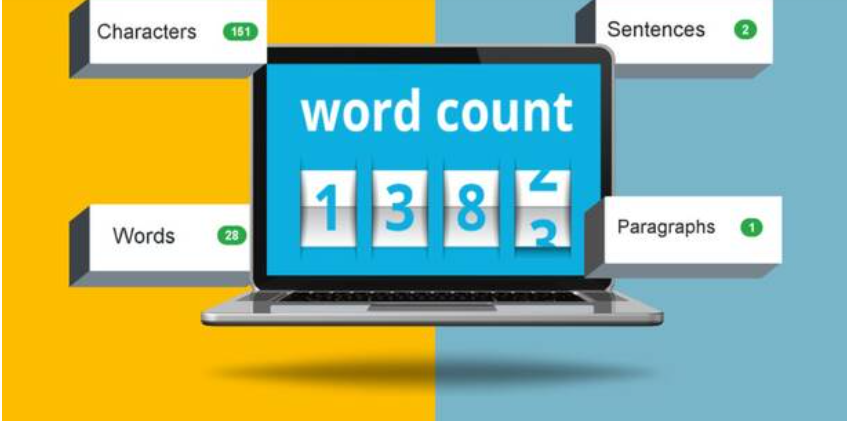
In today’s digital age, written content plays a vital role in communication, education, marketing, and business growth. Whether you are a student writing assignments, a blogger creating articles, a digital marketer crafting ad copy, or a professional preparing reports, the length and structure of your content matter. This is where a word counter becomes an essential tool. A word counter is more than just a basic counting utility. It helps writers stay within limits, improve clarity, enhance readability, and meet platform‑specific requirements. In this blog, we’ll explore what a word counter is, how it works, why it is important, and who can benefit from using it. What Is a Word Counter? A word counter is a digital tool that calculates the number of words in a given piece of text. Most modern word counters also provide additional insights such as character count, sentence count, paragraph count, reading time, and keyword density. By simply pasting text into the tool, users can instantly see detailed statistics about their content. These tools are commonly used in academic writing, content creation, SEO, social media marketing, and professional communication. Why Word Count Is Important Word count is not just a number—it directly affects how content is perceived, published, and ranked. Many platforms, institutions, and publishers have strict word count requirements. Here’s why word count matters: Academic compliance: Assignments and research papers often have fixed limits SEO performance: Search engines favor content with optimal length and structure Reader engagement: Content that is too long or too short may lose attention Platform requirements: Social media, ads, and blogs require specific lengths A word counter helps writers meet these requirements accurately and efficiently. How a Word Counter Works Word counters use algorithms to analyze text and identify word boundaries, usually separated by spaces or punctuation. Once the text is processed, the tool provides a detailed breakdown. Most advanced word counters offer: Total word count Character count (with and without spaces) Sentence and paragraph count Estimated reading and speaking time Keyword frequency analysis These insights help writers refine their content and improve overall quality. Benefits of Using a Word Counter 1. Helps Maintain Writing Discipline A word counter keeps writers focused and disciplined. Knowing how many words you’ve written—and how many are left—helps maintain structure and avoid unnecessary content. 2. Improves SEO and Content Optimization For bloggers and marketers, content length plays a major role in SEO. A word counter helps ensure: Blog posts meet recommended word lengths Meta descriptions stay within limits Content remains balanced and readable This supports better search engine rankings and user engagement. 3. Saves Time and Increases Productivity Manually estimating word count is inefficient. A word counter provides instant results, allowing writers to focus more on creativity and quality rather than technical details. 4. Enhances Academic and Professional Writing Students and professionals often work under strict guidelines. Word counters help: Avoid penalties for exceeding limits Ensure clarity and conciseness Meet submission requirements This is especially useful for essays, reports, and proposals. Who Should Use a Word Counter? Students Students regularly deal with essays, assignments, and research papers. A word counter ensures they meet academic guidelines and structure their work effectively. Content Writers and Bloggers Writers use word counters to: Maintain consistency across articles Meet client or editorial requirements Improve content readability It also helps avoid overly long or underdeveloped posts. Digital Marketers and SEO Professionals For marketers, every word matters. Word counters help optimize: Blog posts Landing pages Ad copy Email marketing content This ensures messages are clear, targeted, and effective. Social Media Managers Social platforms often have character or word limits. Word counters help craft posts that fit perfectly while delivering the intended message. Word Counter and SEO: A Strong Connection Search engines prioritize content that is informative, structured, and user‑friendly. While word count alone does not guarantee rankings, it plays a supporting role. A word counter helps with SEO by: Ensuring sufficient content depth Preventing thin or overly long content Supporting keyword placement balance Improving readability and engagement Well‑optimized content with the right length tends to perform better in search results. Additional Features in Modern Word Counters Many word counters now offer advanced features beyond simple counting, such as: Reading time estimation: Helps gauge user engagement Speaking time estimation: Useful for presentations and speeches Keyword density analysis: Supports SEO optimization Character limits tracking: Ideal for ads and meta tags These features make word counters powerful tools for modern writers. Free vs Paid Word Counter Tools Free Word Counters Free tools are suitable for basic needs and casual users. They offer quick word and character counts without advanced analysis. Paid Word Counters Premium tools provide deeper insights, integrations, and accuracy. They are ideal for professionals, agencies, and large content teams. Choosing the right tool depends on your content volume and goals. Common Mistakes Writers Make Without a Word Counter Without a word counter, writers often: Exceed word limits unintentionally Publish content that is too short or shallow Ignore readability and structure Struggle with SEO optimization Using a word counter helps avoid these mistakes and improves content quality. Best Practices for Using a Word Counter Effectively To get the most out of a word counter: Use it during drafting and final editing Combine it with grammar and plagiarism tools Focus on quality, not just quantity Adjust content length based on audience needs A word counter should guide your writing, not restrict creativity. The Role of Word Counters in the Future of Content Creation As content creation continues to grow, tools like word counters will become even more important. With AI‑generated content, SEO competition, and platform‑specific requirements, writers need precise tools to stay ahead. Future word counters may include: AI‑based content suggestions Readability scoring Tone and clarity analysis Integration with writing platforms These advancements will further enhance writing efficiency and quality. Conclusion A word counter is a simple yet powerful tool that supports better writing, improved SEO, and higher productivity. Whether you are a student, writer, marketer, or professional, tracking word count helps you stay organized, meet requirements, and communicate more effectively. In a
Plagiarism Checker: Ensure Original and Unique Content

In today’s digital world, content is one of the most valuable assets for businesses, educators, students, and marketers. From websites and blogs to academic papers and marketing copy, originality plays a crucial role in credibility and success. As online content continues to grow, so does the risk of duplication—intentional or unintentional. This is where a plagiarism checker becomes an essential tool. A plagiarism checker helps identify copied or duplicated content, ensuring originality and protecting creators from ethical, legal, and SEO‑related issues. This blog explores what a plagiarism checker is, how it works, why it is important, and who should use it. What Is a Plagiarism Checker? A plagiarism checker is a digital tool designed to scan written content and compare it against a vast database of online sources, academic papers, articles, and publications. Its purpose is to detect similarities between the submitted text and existing content. Rather than simply finding exact matches, modern plagiarism checkers analyze sentence structures, phrases, and paraphrased content to determine originality. The result is usually shown as a similarity percentage along with highlighted matches and source references. Why Original Content Is Important Originality is the foundation of trust and credibility. Whether you are a student submitting an assignment, a blogger publishing articles, or a business owner promoting services, original content reflects authenticity and professionalism. Some key reasons originality matters include: Trust and credibility: Unique content builds authority and confidence among readers Search engine rankings: Search engines prioritize original content over duplicated material Legal protection: Avoids copyright infringement and legal penalties Brand reputation: Demonstrates expertise and ethical standards Using a plagiarism checker ensures your content maintains these standards. How a Plagiarism Checker Works Plagiarism checkers use advanced algorithms and databases to analyze text. The process typically involves several steps: Text submission: Users paste or upload content into the tool Database comparison: The content is compared against billions of online pages and documents Similarity detection: Matching phrases and sentence structures are identified Report generation: A detailed report highlights duplicated sections and sources Some advanced tools also offer grammar checks, citation suggestions, and rewriting assistance. Types of Plagiarism Detected Plagiarism checkers are capable of identifying different forms of plagiarism, including: 1. Direct Plagiarism Copying text word‑for‑word without attribution. 2. Self‑Plagiarism Reusing one’s own previously published content without proper disclosure. 3. Paraphrased Plagiarism Rewriting content slightly while keeping the original structure or idea intact. 4. Accidental Plagiarism Unintentional copying due to poor citation or lack of awareness. A reliable plagiarism checker helps detect all these types before content is published or submitted. Importance of Plagiarism Checkers for Different Users Students and Educators Academic institutions place a strong emphasis on originality. Students are required to submit unique assignments, research papers, and theses. Plagiarism checkers help students verify their work before submission and avoid academic penalties. Educators use plagiarism detection tools to: Ensure academic integrity Evaluate student originality Maintain institutional standards Content Writers and Bloggers For writers and bloggers, originality is key to building a loyal audience. Plagiarism can damage credibility and affect search engine rankings. Using a plagiarism checker helps writers: Maintain content uniqueness Avoid unintentional duplication Improve content quality Protect their professional reputation Businesses and Digital Marketers Businesses rely on content for branding, SEO, and customer engagement. Duplicate content can harm search rankings and brand trust. Plagiarism checkers help businesses: Publish SEO‑friendly content Protect brand voice and messaging Ensure originality across marketing campaigns Avoid legal and copyright issues Role of Plagiarism Checkers in SEO Search engines like Google prioritize original and valuable content. Duplicate or plagiarized content can lead to lower rankings or even penalties. Plagiarism checkers support SEO by: Ensuring content uniqueness Preventing duplicate content issues Improving search engine trust Enhancing content quality For websites, blogs, and e‑commerce platforms, plagiarism detection is a vital part of content optimization strategies. Features to Look for in a Good Plagiarism Checker Not all plagiarism checkers offer the same level of accuracy. When choosing a tool, consider the following features: Extensive database coverage Accurate similarity detection Clear and detailed reports Support for multiple file formats Fast scanning speed Privacy and data protection Advanced tools may also include grammar checks, citation assistance, and AI‑based rewriting suggestions. Free vs Paid Plagiarism Checkers Free Plagiarism Checkers Free tools are suitable for basic checks and short content. However, they often have limitations such as restricted word counts, smaller databases, and lower accuracy. Paid Plagiarism Checkers Premium tools offer more comprehensive scans, deeper databases, and advanced features. They are ideal for professionals, businesses, and academic institutions that require high accuracy. Choosing between free and paid options depends on content volume and quality requirements. Common Misconceptions About Plagiarism Checkers “Only Students Need Them” Plagiarism checkers are equally important for writers, businesses, and marketers. “Paraphrasing Avoids Plagiarism” Poor paraphrasing can still be detected by advanced tools. “Free Tools Are Always Enough” Free tools may miss complex similarities and provide incomplete results. Understanding these misconceptions helps users use plagiarism checkers more effectively. Best Practices for Avoiding Plagiarism While plagiarism checkers are powerful tools, prevention starts with good writing practices: Create original ideas and perspectives Properly cite sources Avoid excessive copying or paraphrasing Use plagiarism checkers before publishing Review reports carefully and revise content Combining ethical writing habits with plagiarism detection tools ensures content integrity. The Future of Plagiarism Detection With advancements in AI and machine learning, plagiarism checkers are becoming more sophisticated. Modern tools can now detect AI‑generated similarities, advanced paraphrasing, and contextual matches. As content creation continues to expand, plagiarism detection will play an even more important role in maintaining originality and digital trust. Conclusion A plagiarism checker is more than just a detection tool—it is a safeguard for originality, credibility, and quality. Whether you are a student, writer, educator, or business owner, using a plagiarism checker ensures your content remains authentic and trustworthy. In an increasingly competitive digital environment, originality sets content apart. By incorporating plagiarism checks into your workflow, you protect your work, improve quality, and build long‑term credibility.