
Spotting Fake Online Profiles: A Guide to Stay Safe

Fake online profiles are everywhere—from social media platforms to dating apps and professional networks. These profiles are often created to scam users, steal personal information, or spread misinformation. Learning how to spot fake online profiles is essential for staying safe in today’s digital world. What Are Fake Online Profiles? Fake online profiles are accounts created using false identities, stolen photos, or misleading information. Scammers use these profiles to gain trust and manipulate users into sharing sensitive data, sending money, or clicking malicious links. These profiles may look real at first glance, which is why awareness is so important. Why Fake Profiles Are Dangerous Interacting with fake profiles can lead to: Financial scams and fraud Identity theft Privacy breaches Emotional manipulation Malware or phishing attacks Once trust is established, scammers can cause serious harm. Common Types of Fake Online Profiles Romance Scammer Profiles Often found on dating apps and social platforms, these profiles quickly build emotional connections and later ask for money or favors. Impersonation Profiles Scammers pretend to be celebrities, brands, or even people you know, using stolen photos and names. Fake Business Profiles These profiles promote fake services, giveaways, or job offers to trick users into sharing details or making payments. Key Warning Signs of Fake Online Profiles Poor or Incomplete Profile Information Fake profiles often have minimal details, recent creation dates, or inconsistent information. Stolen or Perfect-Looking Photos Images that look too professional or model-like are often taken from other websites. Fast Trust and Emotional Pressure Scammers rush conversations, express strong emotions early, or create urgency. Avoiding Video or Voice Calls Fake profiles often make excuses to avoid real-time communication. Strange Links or Requests Any request for personal information, money, or external links is a major red flag. How to Verify an Online Profile Check Profile History Look at post activity, engagement, and account age. Genuine profiles usually have a natural posting pattern. Reverse Image Search Profile Photos Searching profile images can reveal if they are used elsewhere online. Review Friend or Follower Lists Fake profiles often have random or low-quality connections. How to Stay Safe Online Keep personal information private Use strong passwords and two-factor authentication Avoid accepting requests from unknown users Never send money or sensitive details online Report suspicious profiles immediately Being cautious can prevent most scams. What to Do If You Encounter a Fake Profile If you suspect a profile is fake: Stop engaging immediately Do not click any links Report the profile on the platform Block the account Prompt action helps protect you and others. Educating Yourself and Others Staying informed about online threats is key to digital safety. Sharing knowledge about fake profiles with friends and family can reduce the chances of scams spreading. Final Thoughts Spotting fake online profiles is a crucial skill in today’s connected world. By recognizing red flags, verifying accounts, and practicing safe online habits, you can protect your personal information and enjoy a safer digital experience.
Understanding Online Scams and How to Avoid Them Safely

Online scams are increasing at an alarming rate as more people rely on the internet for shopping, banking, work, and communication. Scammers use psychological tricks and advanced technology to deceive users into sharing sensitive information or sending money. Understanding how these scams work is the first step toward staying safe online. What Are Online Scams? Online scams are fraudulent activities carried out over the internet to steal money, personal data, or access to accounts. These scams often appear legitimate and may come through emails, social media, websites, text messages, or phone calls. Scammers rely on urgency, fear, or excitement to push victims into acting without thinking. Common Types of Online Scams Phishing Scams Phishing scams involve fake emails or messages that look like they come from trusted companies. They usually ask you to verify account details or reset passwords through malicious links. Fake Online Shopping Scams Scammers create fake websites or social media ads offering products at unbelievably low prices. Once payment is made, the product never arrives. Investment and Crypto Scams These scams promise guaranteed profits with little risk. Fraudsters often pressure users to invest quickly before a so-called opportunity expires. Tech Support Scams Fake alerts warn users that their device is infected. Victims are asked to install software or pay for unnecessary services. Social Media Impersonation Scams Scammers create fake profiles pretending to be celebrities, brands, or even friends, asking for money or personal details. Warning Signs of Online Scams Recognizing red flags can help you avoid becoming a victim. Urgent or threatening messages Requests for personal or financial information Poor grammar or unusual email addresses Deals that sound too good to be true Pressure to act immediately Legitimate organizations rarely demand sensitive information via messages. How Online Scammers Manipulate Users Scammers often use emotional tactics such as: Fear of account suspension Excitement about prizes or refunds Sympathy through fake emergencies Understanding these manipulation techniques helps you pause and think before responding. How to Avoid Online Scams Verify Before You Trust Always check the sender’s email address, website URL, and contact details before clicking links or making payments. Use Strong Passwords Create unique passwords for each account and enable two-factor authentication wherever possible. Avoid Clicking Suspicious Links Hover over links to see the real destination. If something looks suspicious, do not click. Keep Software Updated Updates fix security vulnerabilities that scammers often exploit. Use Secure Payment Methods Avoid direct bank transfers or gift cards when shopping online. Secure payment options provide better protection. Protecting Your Personal Information Limit what you share online. Personal details on social media can be used by scammers to create convincing attacks. Be cautious about: Public Wi-Fi networks Unknown apps or downloads Sharing sensitive data via messages What to Do If You Fall Victim to an Online Scam If you suspect fraud: Change your passwords immediately Contact your bank or service provider Report the scam to relevant platforms Monitor your accounts for suspicious activity Quick action can reduce potential damage. Educating Yourself and Others Staying informed is your strongest defense. Regularly learning about new scam techniques helps you stay one step ahead. Sharing awareness with friends and family also reduces the overall risk. Final Thoughts Understanding online scams and how to avoid them is essential in today’s digital world. By staying alert, verifying information, and following basic online safety practices, you can protect yourself from fraud and keep your personal data secure.
How Many Words Are in the Bible?

The Bible is one of the most widely read, studied, and revered books in history. It has influenced countless aspects of culture, law, literature, and spirituality. But have you ever wondered how many words are actually in the Bible? Surprisingly, the answer is not straightforward. The total word count depends on the translation, language, and version being used. In this article, we break down the word counts of the Bible in English, other languages, and different translations, explaining why the numbers vary and what that means for readers and scholars. Word Count in English Translations English translations of the Bible differ in word count because translators make different choices in language, style, and readability. Here’s a look at some of the most popular versions: 1. King James Version (KJV) Total words: ~783,137 Old Testament: ~602,585 New Testament: ~180,552 The KJV, first published in 1611, uses older, more formal English. This makes it one of the longest English translations. Its elaborate phrasing and poetic style contribute to a higher word count compared to modern translations. 2. New International Version (NIV) Total words: ~727,969 The NIV, a modern translation first published in 1978, uses contemporary language to make the text easier to read. While shorter than the KJV, it still preserves the original meaning of the scriptures. 3. Other Popular Versions New American Standard Bible (NASB): ~782,815 words English Standard Version (ESV): ~757,439 words New Revised Standard Version (NRSV): ~895,891 words Differences in word count occur because translators may use longer or shorter phrases to convey the same meaning. Some versions, like the NRSV, also include inclusive language and expanded notes, slightly increasing the word total. Original Languages: Hebrew and Greek The Bible was originally written in Hebrew, Aramaic, and Greek, which affects the word count significantly. Hebrew Bible (Tanakh – Old Testament): ~306,000 words Septuagint (Greek Old Testament): ~611,000 words Greek New Testament: ~138,000 words Word counting in Hebrew and Greek is more complex than in English. Some words in Hebrew and Greek represent multiple words in English translations. For example, a single Hebrew word may require a full phrase in English to convey the same meaning. Latin Bible: The Vulgate The Latin Vulgate, translated by St. Jerome in the 4th century, is another widely referenced version. Total words: ~788,280 The Vulgate was the standard Bible for the Roman Catholic Church for centuries. Its word count is close to the KJV, showing the similarity in style and detailed phrasing between these translations. Why Word Counts Vary Several factors contribute to differences in word count across versions: Translation Style: Some translators prioritize literal accuracy, while others focus on readability. Literal translations like NASB often have longer phrases, while dynamic translations like NIV may use fewer words. Language Differences: Hebrew, Greek, and Latin have structures that don’t always directly translate to English. One word in Hebrew might require three in English to convey the same idea. Textual Variants: Some translations include additional passages from the Dead Sea Scrolls, Apocrypha, or other manuscripts, affecting the total words. Punctuation and Formatting: Modern punctuation, paragraphing, and headings in English Bibles can slightly change the word count. Old Testament vs. New Testament In most versions, the Old Testament contains significantly more words than the New Testament. Example (KJV): Old Testament: ~602,585 words New Testament: ~180,552 words The Old Testament includes historical narratives, laws, poetry, and prophecies, while the New Testament is shorter, focusing mainly on the life and teachings of Jesus Christ and the early church. Fun Facts About Bible Word Counts The longest book in the Bible by word count is Psalms in most translations. The shortest book is 3 John, with only a few hundred words. The word “the” appears over 64,000 times in the King James Version. Despite differences in word counts, the message and teachings remain consistent across most major translations. How to Use Word Counts Knowing the Bible’s word count can be useful for: Bible study planning: Understanding reading length and pacing Academic research: Comparing translations or analyzing text frequency Digital projects: Estimating space for apps, eBooks, or databases Conclusion The total number of words in the Bible depends on translation, language, and formatting. In English, the King James Version has approximately 783,137 words, while modern translations like the NIV are slightly shorter. Original Hebrew, Greek, and Latin texts differ due to linguistic structure and style. Despite these differences, the Bible’s core message and teachings remain the same. Whether you are reading for spiritual growth, academic study, or personal interest, understanding its structure and size can enhance your appreciation of this timeless book.
How to Write Essay Titles and Headers

Writing a strong essay involves more than just good content. Titles and headers play a crucial role in guiding the reader, organizing your ideas, and improving readability. A well-crafted title grabs attention, while effective headers structure your essay logically and make it easy to navigate. Here’s a step-by-step guide to help you master essay titles and headers. 1. Understanding the Purpose of Titles The title is the first thing a reader sees. It should: Summarize the main topic or argument Spark curiosity or interest Set the tone for your essay Tips for writing effective titles: Be concise and clear Avoid vague or generic words like “Essay on…” Include keywords if your essay is for SEO or online publishing Use active or strong language to engage the reader Examples: Weak: An Essay About Climate Change Strong: Rising Tides: How Climate Change Threatens Coastal Cities 2. Crafting a Title That Matches Your Essay Style Your title should match the tone and type of your essay: Analytical essays: Focus on analysis and interpretation Example: Decoding Shakespeare: Themes of Power in Macbeth Argumentative essays: Highlight your stance or claim Example: Why Remote Work Boosts Productivity: An Evidence-Based Approach Descriptive essays: Emphasize imagery or experience Example: A Walk Through Autumn: The Colors and Sounds of Fall Expository essays: Explain or inform Example: The Science Behind Solar Energy: How It Powers Our World 3. Using Headers to Organize Your Essay Headers break your essay into manageable sections, making it easier to read. They also help your readers understand your structure at a glance. Types of headers: H1: Main title of the essay (only one) H2: Major sections or key points H3: Subsections or supporting ideas Tips for effective headers: Keep them clear and descriptive Use parallel structure (similar phrasing for consistency) Avoid overly long headers Make them informative, not just decorative Example of headers in an essay about climate change: H1: Rising Tides: How Climate Change Threatens Coastal Cities H2: The Causes of Rising Sea Levels H3: Melting Glaciers and Polar Ice H2: Impact on Human Populations H3: Coastal Cities at Risk H2: Solutions and Mitigation Strategies 4. Make Titles and Headers Informative A reader should get an idea of your essay’s content and structure just by looking at the title and headers. Do: Use specific terms Highlight key arguments or topics Keep headers consistent in style and format Don’t: Use vague phrases like “Introduction” or “Conclusion” as the only header Add unnecessary words that don’t convey meaning 5. Keep SEO in Mind (If Online) If your essay is going online, a search-friendly title can make a big difference. Tips for SEO-friendly titles and headers: Include main keywords naturally Keep the title under 60 characters Use H2/H3 headers to include related keywords Avoid keyword stuffing, which can hurt readability Example for an online article: Title: 10 Ways Climate Change Affects Coastal Cities H2: Rising Sea Levels and Flood Risk H2: Impact on Local Ecosystems H3: Displaced Communities and Migration 6. Add Creativity Without Losing Clarity A title can be creative and engaging while remaining clear. Consider: Alliteration: Sinking Shores: Struggles of Coastal Cities Questions: Can Coastal Cities Survive Rising Seas? Metaphors: Rising Tides, Falling Homes: Climate Change at the Shoreline Headers should focus more on clarity than creativity, keeping the essay easy to follow. 7. Test Your Title and Headers Before finalizing, ask yourself: Does the title summarize my essay’s main idea? Will it grab the reader’s attention? Are my headers logical and sequential? Can someone understand the essay’s flow by just reading the headers? If the answer is yes, your title and headers are strong. Final Tips Keep it concise: Titles and headers should be informative but not overly long. Use active language: Strong verbs make your essay more engaging. Be consistent: Match formatting, capitalization, and style throughout. Revise: Don’t be afraid to change your title after writing your essay—it often becomes clearer after drafting. By crafting thoughtful titles and headers, you improve readability, guide your audience, and make your writing look professional. The right title can hook your reader, and well-structured headers make your essay easy to navigate. Together, they elevate your essay from ordinary to exceptional.
The Top 10 Most Difficult-to-Spot Writing Mistakes

Even the most experienced writers make mistakes. While spelling errors and obvious grammar issues are easy to catch, some writing mistakes are far more subtle. These hidden errors can weaken your message, confuse readers, and reduce credibility—especially in professional, academic, or SEO-focused writing. In this blog, we’ll explore the top 10 most difficult-to-spot writing mistakes, explain why they happen, and show you how to avoid them. Mastering these will instantly elevate the clarity and quality of your writing. 1. Homophones Used Incorrectly Homophones are words that sound the same but have different meanings and spellings. These mistakes often slip through spell check because the words themselves are technically correct. Common examples include: Their / There / They’re Your / You’re Its / It’s Affect / Effect Why it’s hard to spot:Your brain reads what it expects to see, not what is actually written on the page. How to avoid it:Proofread carefully and read sentences aloud. When unsure, confirm the word’s meaning based on context rather than sound. 2. Subject-Verb Agreement Errors Subject-verb agreement mistakes occur when the verb does not correctly match the subject in number or tense. Example:The list of items are on the table.Corrected: The list of items is on the table. Why it’s hard to spot:Words placed between the subject and the verb can distract you from identifying the true subject. How to avoid it:Focus on the main subject of the sentence and ignore descriptive phrases that interrupt it. 3. Misplaced or Dangling Modifiers Modifiers should clearly describe the word they are intended to modify. When misplaced, they can create confusion or unintended meanings. Example:Walking down the street, the building looked abandoned.Corrected: Walking down the street, I noticed the building looked abandoned. Why it’s hard to spot:The sentence may sound natural even though the meaning is incorrect. How to avoid it:Ensure modifiers are placed directly next to the word they describe. 4. Inconsistent Tense Shifts Unnecessary shifts between past, present, and future tense can confuse readers and disrupt the flow of your writing. Example:She entered the room and starts talking to everyone.Corrected: She entered the room and started talking to everyone. Why it’s hard to spot:Writers often switch tenses unconsciously while drafting. How to avoid it:Choose a primary tense and maintain consistency unless a tense change is logically required. 5. Overusing Passive Voice Passive voice is not always incorrect, but excessive use can make writing sound weak, vague, or impersonal. Example:Mistakes were made during the project.Improved: The team made mistakes during the project. Why it’s hard to spot:Passive sentences often sound formal and polished, making them seem acceptable. How to avoid it:Look for forms of “was,” “were,” or “been” followed by a past participle, and rewrite when active voice improves clarity. 6. Comma Splices and Run-On Sentences A comma splice occurs when two independent clauses are joined with only a comma. Example:The deadline is tomorrow, we need to work faster.Corrected: The deadline is tomorrow, so we need to work faster. Why it’s hard to spot:The sentence may sound fine when read quickly. How to avoid it:Use conjunctions, semicolons, or break the sentence into two separate statements. 7. Redundancy and Wordiness Redundancy happens when the same idea is repeated unnecessarily using multiple words or phrases. Example:Advance planning ahead is necessary.Improved: Planning is necessary. Why it’s hard to spot:Redundant phrases are commonly used in everyday conversation. How to avoid it:Edit carefully and remove words that do not add new meaning or value. 8. Incorrect Preposition Usage Prepositions such as in, on, at, to, and for are small but essential. Using the wrong one can subtly change or confuse meaning. Example:She is married with a doctor.Corrected: She is married to a doctor. Why it’s hard to spot:Preposition rules are inconsistent and vary across languages. How to avoid it:Read widely in English and familiarize yourself with common prepositional phrases. 9. Unclear Pronoun References Pronouns should clearly refer to a specific noun. If the reference is unclear, readers may become confused. Example:John spoke to Mike after he finished the report.(The reader cannot tell who finished the report.) Why it’s hard to spot:Writers know what they mean and assume readers will understand as well. How to avoid it:Replace unclear pronouns with the actual noun when there is any chance of confusion. 10. Assuming Spell Check Catches Everything Spell check tools are helpful, but they do not catch every error. Example:She defiantly agreed with the decision.(The intended word is “definitely.”) Why it’s hard to spot:Both words are spelled correctly, so automated tools do not flag them. How to avoid it:Always proofread manually. Human review is essential for accuracy. Final Thoughts Strong writing is built on clarity, precision, and attention to detail. The most damaging mistakes are often the ones that go unnoticed. By learning to identify and correct these difficult-to-spot writing errors, you can significantly improve your writing quality, credibility, and reader engagement. Whether you are writing blog posts, business emails, academic papers, or website content, mastering these details will help you stand out as a professional writer. Pro tip: Take a short break before proofreading. Fresh eyes catch mistakes that tired ones miss.
Will Truist Hire Me if I Have a DUI? Employment Policies Explained

When looking for a job, one of the most common concerns that potential applicants have is how a past legal issue, such as a DUI (driving under the influence) conviction, will impact their employment prospects. If you’re considering applying to Truist, a large American bank known for its commitment to diversity and inclusion, you may be wondering whether having a DUI on your record will prevent you from securing a position. In this article, we will explore Truist’s hiring policies, how they handle criminal records like DUIs, and offer insights into how you can improve your chances of getting hired despite your past. Truist’s Approach to Hiring and Criminal Records Truist, like many other large companies, follows a set of standardized procedures when it comes to hiring new employees. They are committed to building a diverse and inclusive workforce, and this includes taking a fair and balanced approach to applicants who may have a criminal record. That said, having a DUI conviction can still pose challenges during the hiring process. Background Checks and Their Impact Truist, as part of its hiring process, conducts background checks on potential employees. These background checks typically include: Criminal history: This includes DUIs, felonies, and misdemeanors. Credit history: Particularly for financial institutions, applicants may undergo credit checks. Employment history: To verify your past roles and experiences. It’s important to understand that while Truist does conduct these checks, a DUI conviction does not automatically disqualify you from consideration. Companies, including Truist, are required to follow specific guidelines regarding criminal records, particularly under the Equal Employment Opportunity Commission (EEOC) guidelines. The EEOC enforces a policy that prevents discrimination against individuals with criminal records unless the conviction is relevant to the job being applied for. Factors That May Affect Your Chances of Employment There are several factors that Truist (or any employer) will consider when determining whether a DUI conviction will impact your eligibility for hire. These include: Time elapsed since the conviction: If a significant amount of time has passed since the DUI, this may be viewed more favorably, especially if you have shown signs of rehabilitation and personal growth. Nature of the job: For positions that involve driving or operating heavy machinery, a DUI might be a more significant red flag. However, for roles that don’t require driving, such as in customer service or office administration, the impact of a DUI might be less severe. State laws: Different states have different laws regarding the disclosure of criminal records to employers. In some cases, you may not be required to disclose a DUI if it occurred several years ago. Rehabilitation efforts: If you’ve taken steps to address any issues related to your DUI (such as attending alcohol education classes, participating in rehabilitation programs, or demonstrating a clean driving record since the conviction), these efforts can help show that you’ve taken responsibility for your actions. Truist’s Official Employment Policies Regarding DUIs Truist’s official stance on hiring applicants with a DUI varies depending on several factors, including the job position, the specific role, and the applicant’s personal history. Generally, Truist’s policies are focused on creating opportunities for individuals to work, regardless of their past, while also ensuring that they meet the specific qualifications for the role. Truist’s Commitment to Fair Hiring Practices Truist adheres to the Fair Chance Act, which allows individuals with criminal histories to apply for jobs without being automatically disqualified. This is a crucial part of Truist’s efforts to provide second chances to qualified candidates. They look at applicants holistically, considering factors such as the severity of the crime, the time that has passed, and whether the applicant has made efforts to reform or change their behavior. Job Roles Most Affected by DUI Convictions While many positions at Truist may still be open to individuals with a DUI, certain roles may be more difficult to secure. Jobs that require a clean driving record or involve operating heavy equipment or vehicles could be more restrictive. For example, if you’re applying for a driver position or a role involving transporting money or equipment, a DUI conviction may disqualify you from consideration due to safety and insurance concerns. Positions Less Affected by DUI Convictions On the other hand, positions that do not require driving may have less stringent policies regarding DUI convictions. These positions may include: Customer service representatives Financial analysts IT professionals Administrative roles For these types of positions, your DUI may not be a significant hindrance, especially if you can demonstrate that you have taken responsibility for your past mistakes. How to Improve Your Chances of Being Hired Despite a DUI If you have a DUI on your record, there are several ways you can improve your chances of being hired by Truist or other employers. Here are some tips that may help: 1. Be Honest About Your DUI It’s important to be upfront about your DUI conviction when asked during the interview process. Lying or omitting this information can be seen as a red flag and can hurt your chances of securing the job. Transparency shows integrity and responsibility, which can be an asset during the hiring process. 2. Demonstrate Personal Growth and Rehabilitation If your DUI occurred years ago and you’ve taken steps to better yourself since, make sure to highlight this. Whether you’ve completed rehabilitation programs, attended counseling, or participated in community service, showing that you’ve learned from your mistakes and taken action to improve is key. 3. Highlight Your Skills and Experience Your experience and qualifications are what ultimately matter most to employers. Be sure to emphasize your skills, experience, and achievements that demonstrate your ability to succeed in the role you’re applying for. Prove to Truist that you are the right fit for the job despite your past. 4. Provide References and Character Letters If possible, gather references from employers, mentors, or individuals who can vouch for your character and the positive changes you’ve made since your conviction. These references can help show that you are trustworthy and dependable. 5. Look
Tech Careers in High Demand: Top Jobs to Consider in 2026

Tech Careers That Are in High Demand The technology industry has been one of the fastest-growing sectors in the global economy, with innovation constantly driving the demand for skilled professionals. As we move into 2026, certain tech careers are experiencing particularly high demand, making them lucrative and exciting fields for both newcomers and seasoned professionals. Whether you’re looking to pivot into tech or advance your career, knowing which tech roles are in high demand can help you make informed decisions. In this blog, we’ll explore some of the most sought-after tech careers, the skills you need to succeed in these fields, and why they are expected to grow in the coming years. Why Tech Careers Are in High Demand The world of technology continues to evolve rapidly, and with this evolution comes an increasing need for specialized professionals. From cloud computing to artificial intelligence (AI), the tech landscape is filled with opportunities. Here are a few reasons why tech careers remain in high demand: Technological Advancements: As businesses and governments adopt new technologies, there’s a constant need for experts who can design, implement, and manage these innovations. Digital Transformation: More companies are going digital, requiring employees with expertise in software development, cloud computing, and data analysis to ensure smooth transitions. Cybersecurity Threats: With the rise of cyberattacks, there’s a growing need for cybersecurity specialists to safeguard sensitive information. Remote Work and Collaboration: The surge in remote work and cloud-based collaboration tools has led to an increased demand for cloud engineers and IT support professionals. Data-Driven Decision Making: With the vast amounts of data being generated, organizations need data scientists and analysts to extract valuable insights that can drive business decisions. Now, let’s dive into the specific tech careers that are experiencing high demand. 1. Software Engineer Software engineering has been a staple tech career for years, and it continues to be one of the highest in demand. With the increasing reliance on technology in every industry, from healthcare to finance, the need for skilled software engineers is ever-growing. These professionals are responsible for designing, developing, and maintaining software applications that make businesses run efficiently. Skills Required: Proficiency in programming languages like Java, Python, C++, and JavaScript Problem-solving abilities and strong analytical skills Experience with software development methodologies (e.g., Agile, Scrum) Average Salary: Entry-Level: $60,000 – $80,000 Mid-Level: $90,000 – $110,000 Senior-Level: $120,000 – $150,000 Job Outlook: The Bureau of Labor Statistics (BLS) reports that software developers will see a 22% job growth through 2029, much faster than the average for all occupations. 2. Data Scientist Data science has become an essential part of modern business decision-making. As companies collect more data than ever before, they require skilled data scientists to interpret this information and provide actionable insights. Data scientists use machine learning, statistical analysis, and data visualization techniques to help organizations optimize their processes. Skills Required: Proficiency in Python, R, and SQL Strong knowledge of machine learning algorithms and data analysis techniques Experience with big data tools like Hadoop and Spark Average Salary: Entry-Level: $70,000 – $90,000 Mid-Level: $100,000 – $130,000 Senior-Level: $150,000 – $190,000 Job Outlook: Data science is one of the fastest-growing fields. According to LinkedIn, the demand for data scientists has grown by over 35% in recent years, and this trend is expected to continue. 3. Cybersecurity Specialist As businesses store more data online, the threat of cyberattacks has become a major concern. Cybersecurity specialists are responsible for protecting networks, systems, and sensitive information from malicious attacks. With cybercrime on the rise, cybersecurity experts are essential to ensuring the safety of organizations and individuals. Skills Required: Expertise in network security, cryptography, and ethical hacking Proficiency in tools like Wireshark, Nessus, and Metasploit Knowledge of cybersecurity frameworks such as NIST and ISO 27001 Average Salary: Entry-Level: $60,000 – $80,000 Mid-Level: $90,000 – $120,000 Senior-Level: $130,000 – $160,000 Job Outlook: According to the BLS, cybersecurity jobs are projected to grow by 31% from 2019 to 2029, much faster than the average for all occupations. 4. Cloud Engineer With the growing adoption of cloud computing, cloud engineers are in high demand. These professionals are responsible for managing and maintaining cloud infrastructure and services, ensuring they are secure, scalable, and efficient. Cloud computing is becoming a crucial part of business operations, especially for companies that rely on remote work and distributed systems. Skills Required: Experience with cloud platforms like AWS, Microsoft Azure, and Google Cloud Strong understanding of networking, virtualization, and storage technologies Proficiency in infrastructure-as-code tools like Terraform Average Salary: Entry-Level: $75,000 – $95,000 Mid-Level: $105,000 – $130,000 Senior-Level: $140,000 – $180,000 Job Outlook: The demand for cloud engineers is expected to grow by 15% through 2026, according to BLS projections, as more companies move their infrastructure to the cloud. 5. AI and Machine Learning Engineer Artificial intelligence and machine learning are revolutionizing industries, from healthcare to automotive. AI engineers design systems that can perform tasks that typically require human intelligence, such as language processing, decision-making, and visual recognition. Machine learning engineers, on the other hand, develop algorithms that enable machines to learn and improve on their own. Skills Required: Proficiency in machine learning frameworks like TensorFlow and PyTorch Strong background in programming languages such as Python and Java Understanding of neural networks and deep learning techniques Average Salary: Entry-Level: $80,000 – $100,000 Mid-Level: $120,000 – $150,000 Senior-Level: $160,000 – $200,000 Job Outlook: AI and machine learning roles are among the fastest-growing job categories. The demand for AI specialists is expected to increase by 16% over the next decade, according to the BLS. 6. UX/UI Designer User experience (UX) and user interface (UI) designers are critical for creating intuitive, visually appealing, and user-friendly digital products. As companies compete for customer attention in an increasingly crowded market, ensuring a seamless digital experience is essential. UX/UI designers work closely with developers and product managers to optimize the usability of websites, apps, and software. Skills Required: Expertise in design tools like Adobe XD, Sketch, and Figma Strong understanding of user research and
Think Carefully Before Visiting AlUla: What the Hadith Teaches Us

AlUla is an ancient, beautiful destination in Saudi Arabia. Famous for its Hegra, a UNESCO World Heritage site, it’s known for stunning tombs carved into sandstone cliffs. But for Muslims, visiting this site should be a thoughtful decision, especially when considering Islamic teachings and the Hadith. The Historical and Religious Significance of AlUla AlUla, especially its area known as Mada’in Saleh (also called Hegra), is historically significant. It was once the capital of the Nabatean Kingdom and is famous for its tombs and ancient buildings. However, it’s also deeply connected to the Thamud people mentioned in the Quran. AlUla and the Thamud People The Thamud were punished by Allah for their arrogance and disobedience. Prophet Saleh (AS) was sent to guide them, but they rejected him. The ruins in AlUla are a reminder of their punishment, as detailed in the Quran. AlUla isn’t just an archaeological site; it’s a lesson in obedience to Allah and a warning about the consequences of pride. Islamic Teachings on Visiting Such Sites What the Hadith Says Islamic teachings, particularly in the Hadith, provide guidance on visiting places where divine punishment occurred. The Prophet Muhammad (PBUH) instructed that such sites should be approached with respect and humility, not for fun or entertainment. Key Hadith: One famous Hadith from Abdullah ibn Umar states: “Do not enter upon these people who were punished, unless you are weeping. If you are not weeping, then do not enter upon them, lest you be afflicted with what afflicted them.“ This Hadith emphasizes that visiting such places should be a solemn reflection and a chance to learn from the mistakes of past nations, not a place for leisure or excitement. AlUla’s Role in Islamic History AlUla’s most notable site, Mada’in Saleh, was a thriving Nabataean city at its peak. Today, the site is a reminder of the Thamud people’s fall, as they rejected Prophet Saleh’s message. Their punishment was severe, with a mighty blast or earthquake that destroyed them. The Lesson of the Thamud People The Thamud tribe’s downfall teaches us about the dangers of pride and disobedience. When visiting AlUla, Muslims should remember the lesson of the Thamud and reflect on the consequences of ignoring Allah’s commands. This is why visiting AlUla is more than just a sightseeing trip; it’s an opportunity for spiritual reflection. Intention (Niyyah) in Travel In Islam, the intention behind an action is very important. When traveling, especially to sacred or historically significant places, your Niyyah (intention) must align with the purpose of learning and reflection, not just enjoyment. How to Make Your Visit Spiritual Visit AlUla with the intention of reflecting on the lessons from the Thamud people’s story. Avoid visiting for leisure, social media photos, or simply to admire the architecture. Humility and repentance should guide your visit. By focusing on the spiritual purpose, your visit becomes an act of reflection and obedience to Allah. Salah Travels: Guiding You with the Right Intention If you choose to visit AlUla, it’s important to do so with the right guidance. Salah Travels, a faith-based travel company, offers tours that encourage spiritual reflection during visits. They guide travelers in understanding the Quranic significance of the site and ensure the visit aligns with Islamic values. What You Can Expect from Salah Travels’ Tours: Spiritual reflections and meditations. Guided prayers and Quran recitations. Humility-focused itineraries that prioritize reflection over tourism. These tours ensure that your visit to AlUla is both educational and spiritually enriching. The Growing Trend of Mindful Travel Many Muslims today are choosing to travel with greater awareness and purpose. Traveling to sacred or historical sites like AlUla can be a spiritual journey, helping us grow closer to Allah and learn valuable lessons. Tourist vs. Reflective Traveler: Key Differences Aspect of Visit Tourist Mindset Reflective Traveler Mindset Primary Goal Entertainment, fun Reflection, spiritual growth Emotional State Excitement, curiosity Humility, contemplation, sadness Activities Sightseeing, photography Reflection, prayer, learning Pace of Visit Leisurely Quick and deliberate, as per Sunnah Intention Entertainment, social media Learning from Allah’s power Conclusion: Aligning Travel with Faith In the end, visiting AlUla is a personal decision. As a Muslim, it’s important to assess your intention (Niyyah) before making the journey. If your visit is focused on spiritual reflection and learning lessons from the past, then it can be a meaningful and impactful experience. But if your intention is solely for tourism, it may not align with the teachings of Islam. Make sure to travel with a heart full of humility, a mind open to reflection, and an intention to grow spiritually through the lessons that AlUla and its history offer. FAQs Question: Can Muslims visit AlUla? Answer: Yes, Muslims can visit AlUla, but it should be done with the right intention and respect for the historical and spiritual significance of the site. Question: What did Prophet Muhammad say about AlUla? Answer: No authentic hadith in Sahih books mentions Al-Ula; claims are unverified. Question: Why did the Prophet curse AlUla? Answer: No credible basis; claims of a curse lack reliable Islamic sources. Question: What is the history of AlUla in Islam? Answer: Mada’in Salih (Hegra) is in Al-Ula; linked to Nabataean era and early Islam. Question: What makes Al Ula a mysterious place? Answer: Cliff tombs, desert landscape, Nabataean city; legends and ancient ruins. Question: Why can’t Muslims visit AlUla? Answer: There is no universal ban; access depends on local laws and site rules.
Each Other’s vs. Each Others’: Which Is Correct?
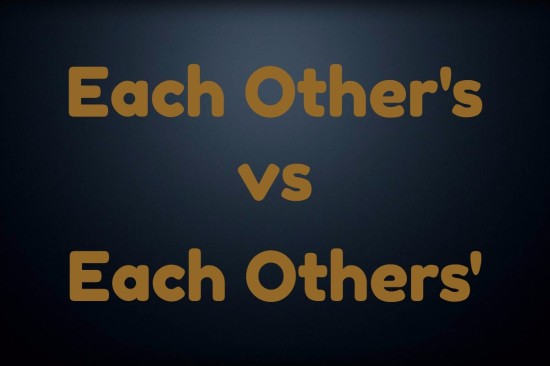
When it comes to phrases like “each other’s” and “each others’”, the difference in their usage can be confusing, especially for people learning English. While both are commonly used in spoken and written language, only one is grammatically correct. Let’s break down the proper usage and understand the differences! 1. Each Other’s Definition:“Each other’s” is the correct phrase to use when referring to something that belongs to both or all members of a group. It is a possessive pronoun showing that something is possessed by both people or things involved. Usage: The apostrophe is used before the “s” to show possession, and it refers to two or more people or things having something in common or sharing it. Examples: “They helped each other’s families during the crisis.” “The two friends shared each other’s books.” “We enjoyed each other’s company at the party.” 2. Each Others’ (Incorrect) Definition:The phrase “each others’” is incorrect. The confusion usually arises because of the plural possessive form of “each other,” but “each other” is inherently singular when indicating a reciprocal relationship. Therefore, “each others’” should not be used in any context. Why It’s Incorrect: “Each other” is a reciprocal pronoun that refers to two or more people acting in a mutual way. Adding an apostrophe after “each others’” suggests a plural possessive that doesn’t fit with the intended meaning of “each other.” Examples of Incorrect Usage: “They helped each others’ families during the crisis.” (Incorrect) “We exchanged each others’ books.” (Incorrect) How to Remember the Correct Usage: Each other’s: The possessive form is used for things that belong to both people/things. Each others’: This form is incorrect because “each other” doesn’t need to be pluralized in this way. Summary: Correct: “Each other’s” is used when referring to something that belongs to both individuals or items involved in a reciprocal relationship. Incorrect: “Each others’” is not grammatically correct, as “each other” already implies a relationship between two or more parties and doesn’t require an extra apostrophe. Now that you know the difference, you can confidently use “each other’s” in your sentences, ensuring your writing stays grammatically correct!
Global Births and Deaths: A Daily, Monthly, and Yearly Breakdown by Gender
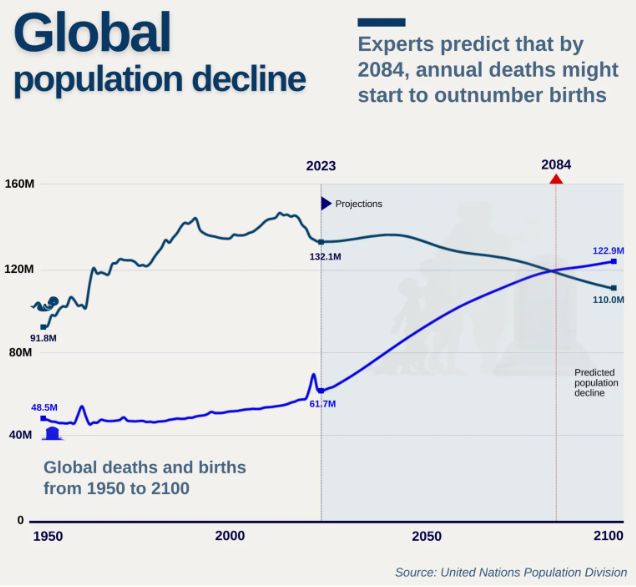
The world population is in constant flux and each day, millions of babies are being born and a very considerable number of people are dying. What is observed is that these changes occur on a continuous basis and can be reduced into daily, monthly, and annual averages. To simplify it further, we can focus on gender specific data as we would like to know how many boys and girls die and are born around the world. Number of Babies Born Every year, millions of babies are born across the world. According to the latest data from sources like the World Bank and the United Nations, the global birth rate has been gradually declining in recent years, but it still remains substantial. Global Daily Births: Average daily births: 385,000 babies. This number represents the global average number of babies born every day across all countries. Gender Breakdown: Boys: Around 200,000 boys are born every day globally. Girls: Around 185,000 girls are born every day globally. Global Monthly Births: Average monthly births: Around 11.5 million babies are born each month worldwide. This is derived from the daily average, multiplied by the number of days in a month. Global Yearly Births: Average yearly births: Around 140 million babies are born globally every year. Number of People Dying While the number of births is a hopeful statistic, the global death rate is also a key aspect in understanding population change. The global death rate can be influenced by various factors like healthcare, diseases, and natural disasters. Global Daily Deaths: Average daily deaths: 160,000 people die every day around the world. This includes people of all ages, from infants to elderly adults. Gender Breakdown: Men: Around 85,000 men die every day globally. Women: Around 75,000 women die every day globally. Global Monthly Deaths: Average monthly deaths: Approximately 4.8 million deaths happen every month worldwide. Global Yearly Deaths: Average yearly deaths: Approximately 60 million people die every year around the world. Key Observations: Birth to Death Ratio: Births: The daily global birth rate is higher than the daily global death rate. This means that, globally, the population continues to grow each day, even though deaths are still a significant part of the demographic process. Gender Differences: Boys are born in slightly greater numbers than girls on a global scale. This is primarily due to natural gender ratios at birth, where the birth of boys tends to outnumber girls by around 105 to 100. In terms of death rates, men tend to have higher mortality rates than women, which is why you see a larger number of deaths among men every day. Factors Affecting These Numbers: Life expectancy varies widely between regions. For instance, people in high-income countries tend to have higher life expectancy due to better healthcare, while people in low-income countries may have a shorter life expectancy. Public health crises, such as pandemics, can dramatically affect both birth rates and death rates. For example, the COVID-19 pandemic has caused millions of deaths worldwide and temporarily affected birth rates. Healthcare advances: In countries with good healthcare systems, both birth and death rates can be significantly influenced. Access to reproductive healthcare, maternal care, and child care directly impacts birth rates. Global Population Growth As a result of the higher birth rates compared to death rates, the global population continues to grow, although at a slower pace due to declining fertility rates in many countries. The world population is estimated to exceed 8 billion by 2023. Interesting Facts About Birth and Death Rates: Infant Mortality Rate: The global infant mortality rate (the number of babies who die before their first birthday) has decreased significantly over the past century. It has dropped from over 100 deaths per 1,000 live births to just 28 per 1,000 live births globally, as of recent data. Life Expectancy: The average global life expectancy is around 72 years. Women generally live longer than men in nearly all parts of the world, contributing to the higher number of women in the elderly population. Infant Gender Ratio: Boys are born in higher numbers than girls, but at birth, the ratio of boys to girls is typically about 105 boys for every 100 girls. Global Aging Population: While there are more births than deaths globally, the population is aging, especially in countries with low fertility rates. This can have long-term implications for economies and healthcare systems. Conclusion Over 385,000 infants are delivered on an average day, and almost 160,000 individuals die throughout the world. The world is still experiencing net population growth, due to the higher rate of births than death, and this is reflected in the global rise of approximately 140 million births per annum. Nevertheless, even though the number of births is higher, more men die on a daily basis than women, as men have greater mortality rates. This idea of knowing these statistics allows us to understand the magnitude of population dynamics and provides insight into the needs of healthcare resources, resource planning as well as economic planning in the future. In the future, demographic changes such as aging and declining fertility rates in the world will be critical in determining the social, political, and economic future of the world.
How Many Words Are There in the Bible?
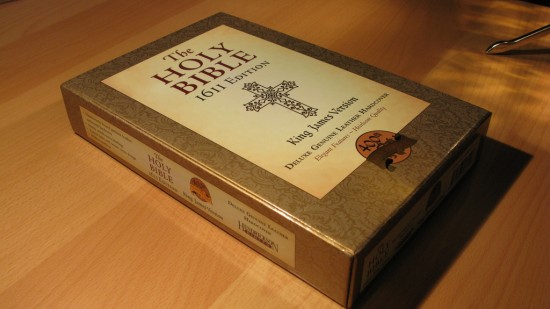
The bible is among the most popular books that are read and translated all over the world. Centuries of religious traditions, historical studies, and literature have been based on it. However there is one question that arises regularly, how many words are there in the bible? 1. The Bible’s Structure and Organization Before we explore the number of words in the Bible, it’s important to understand its structure. The Bible is divided into two main sections: The Old Testament (also known as the Hebrew Bible), which consists of 39 books. The New Testament, which contains 27 books. These books include a wide variety of literary genres, including history, poetry, prophecy, letters, and wisdom literature. As such, the Bible can be read in many different ways, from a religious guide to a literary masterpiece. Old Testament: The Old Testament is much longer than the New Testament and contains stories of creation, laws, prophecies, and more. It is traditionally written in Hebrew (with some parts in Aramaic). New Testament: The New Testament focuses primarily on the life, death, and resurrection of Jesus Christ and the spread of Christianity through letters (epistles) written by the apostles. It is written in Greek, and its primary focus is on the teachings of Christ. 2. How Many Words in the King James Version (KJV)? One of the most well-known and widely used versions of the Bible is the King James Version (KJV), published in 1611. This version of the Bible has been praised for its poetic language, and it remains one of the most-read versions of the Bible today. The King James Version (KJV) of the Bible contains approximately: 783,137 words in total. Breakdown: The Old Testament has about 602,585 words. The New Testament has about 180,552 words. These word counts can vary slightly depending on how one counts certain words, such as titles and additional notes in some editions. However, the general consensus is that the KJV contains 783,137 words. 3. Word Count in Other Translations Different Bible translations can have varying word counts, mainly because of the differences in language structure, translation philosophy, and the inclusion of certain words or phrases. Let’s compare a few other popular translations. New International Version (NIV): The NIV is one of the most popular modern translations of the Bible. It aims for a balance between readability and faithfulness to the original texts. Total words in the NIV: approximately 726,109 words. The Old Testament contains about 534,021 words. The New Testament contains about 192,088 words. English Standard Version (ESV): The ESV is known for its literal translation from the original languages while maintaining readability. Total words in the ESV: approximately 757,439 words. The Old Testament contains around 593,491 words. The New Testament contains around 163,948 words. New Revised Standard Version (NRSV): The NRSV is a popular translation used in many academic and religious settings. It emphasizes a balance between literal translation and gender-neutral language. Total words in the NRSV: approximately 773,692 words. The Old Testament contains around 592,000 words. The New Testament contains around 181,000 words. The Message (MSG): The Message is a modern, paraphrased version of the Bible, written in contemporary language for readability and accessibility. Since it is more of a paraphrase than a direct translation, the word count can be significantly different. Total words in The Message: approximately 500,000 words. The Septuagint (LXX): The Septuagint, which is the ancient Greek translation of the Hebrew Scriptures, has a word count that differs as well. Total words in the Septuagint: approximately 1,070,000 words. 4. Factors Affecting Word Count While the word count may vary between translations, several factors can influence the number of words in any given Bible version: Translation Philosophy: Some translations, like the King James Version, focus on word-for-word translations, which may result in longer sentences. Others, like the NIV or The Message, take a more dynamic or paraphrased approach, which can lead to fewer or more words depending on how the translators approach each phrase. Textual Variants: Different versions may also differ in textual content. For example, the Catholic Bible includes several books that are not found in the Protestant Bible (e.g., Tobit and Maccabees), which increases the total word count. Punctuation and Paragraph Structure: The inclusion of punctuation marks, paragraph breaks, and notes can influence the total word count in different editions of the Bible. 5. Fun Facts About the Bible’s Word Count Shortest Verse: The shortest verse in the Bible is John 11:35, which simply states, “Jesus wept.” It contains just two words. Longest Verse: The longest verse in the Bible is Esther 8:9, with a total of 90 words in the King James Version. The Bible’s Middle Verse: In the KJV, Psalm 118:8 is the middle verse of the Bible. It reads, “It is better to trust in the Lord than to put confidence in man.” Conclusion Conclusion Finally, the Bible has highly many words that may even differ in case of different translations. The New International Version (726,109 words), the King James Version (783,137 words) or any other translation of the same story has the same core message. The versions have various uses, including academic and religious texts. The number of words may not be the most significant of the issues, but it enables to emphasize a position of the Bible as a historical source and a guide of spiritual directions. However many might be the number of words, the contribution that the Bible has made to humanity, whether through stories or teachings in the culture cannot be measured.