
Word Counter Tool: Count Words, Characters & Improve Writing
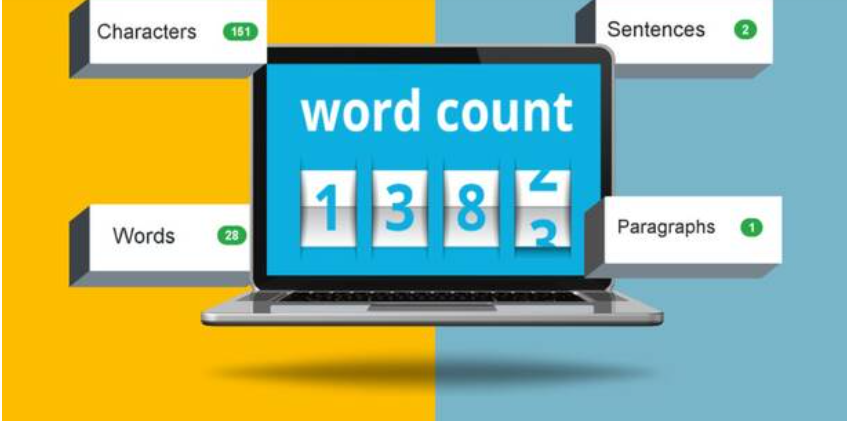
In today’s digital age, written content plays a vital role in communication, education, marketing, and business growth. Whether you are a student writing assignments, a blogger creating articles, a digital marketer crafting ad copy, or a professional preparing reports, the length and structure of your content matter. This is where a word counter becomes an essential tool. A word counter is more than just a basic counting utility. It helps writers stay within limits, improve clarity, enhance readability, and meet platform‑specific requirements. In this blog, we’ll explore what a word counter is, how it works, why it is important, and who can benefit from using it. What Is a Word Counter? A word counter is a digital tool that calculates the number of words in a given piece of text. Most modern word counters also provide additional insights such as character count, sentence count, paragraph count, reading time, and keyword density. By simply pasting text into the tool, users can instantly see detailed statistics about their content. These tools are commonly used in academic writing, content creation, SEO, social media marketing, and professional communication. Why Word Count Is Important Word count is not just a number—it directly affects how content is perceived, published, and ranked. Many platforms, institutions, and publishers have strict word count requirements. Here’s why word count matters: Academic compliance: Assignments and research papers often have fixed limits SEO performance: Search engines favor content with optimal length and structure Reader engagement: Content that is too long or too short may lose attention Platform requirements: Social media, ads, and blogs require specific lengths A word counter helps writers meet these requirements accurately and efficiently. How a Word Counter Works Word counters use algorithms to analyze text and identify word boundaries, usually separated by spaces or punctuation. Once the text is processed, the tool provides a detailed breakdown. Most advanced word counters offer: Total word count Character count (with and without spaces) Sentence and paragraph count Estimated reading and speaking time Keyword frequency analysis These insights help writers refine their content and improve overall quality. Benefits of Using a Word Counter 1. Helps Maintain Writing Discipline A word counter keeps writers focused and disciplined. Knowing how many words you’ve written—and how many are left—helps maintain structure and avoid unnecessary content. 2. Improves SEO and Content Optimization For bloggers and marketers, content length plays a major role in SEO. A word counter helps ensure: Blog posts meet recommended word lengths Meta descriptions stay within limits Content remains balanced and readable This supports better search engine rankings and user engagement. 3. Saves Time and Increases Productivity Manually estimating word count is inefficient. A word counter provides instant results, allowing writers to focus more on creativity and quality rather than technical details. 4. Enhances Academic and Professional Writing Students and professionals often work under strict guidelines. Word counters help: Avoid penalties for exceeding limits Ensure clarity and conciseness Meet submission requirements This is especially useful for essays, reports, and proposals. Who Should Use a Word Counter? Students Students regularly deal with essays, assignments, and research papers. A word counter ensures they meet academic guidelines and structure their work effectively. Content Writers and Bloggers Writers use word counters to: Maintain consistency across articles Meet client or editorial requirements Improve content readability It also helps avoid overly long or underdeveloped posts. Digital Marketers and SEO Professionals For marketers, every word matters. Word counters help optimize: Blog posts Landing pages Ad copy Email marketing content This ensures messages are clear, targeted, and effective. Social Media Managers Social platforms often have character or word limits. Word counters help craft posts that fit perfectly while delivering the intended message. Word Counter and SEO: A Strong Connection Search engines prioritize content that is informative, structured, and user‑friendly. While word count alone does not guarantee rankings, it plays a supporting role. A word counter helps with SEO by: Ensuring sufficient content depth Preventing thin or overly long content Supporting keyword placement balance Improving readability and engagement Well‑optimized content with the right length tends to perform better in search results. Additional Features in Modern Word Counters Many word counters now offer advanced features beyond simple counting, such as: Reading time estimation: Helps gauge user engagement Speaking time estimation: Useful for presentations and speeches Keyword density analysis: Supports SEO optimization Character limits tracking: Ideal for ads and meta tags These features make word counters powerful tools for modern writers. Free vs Paid Word Counter Tools Free Word Counters Free tools are suitable for basic needs and casual users. They offer quick word and character counts without advanced analysis. Paid Word Counters Premium tools provide deeper insights, integrations, and accuracy. They are ideal for professionals, agencies, and large content teams. Choosing the right tool depends on your content volume and goals. Common Mistakes Writers Make Without a Word Counter Without a word counter, writers often: Exceed word limits unintentionally Publish content that is too short or shallow Ignore readability and structure Struggle with SEO optimization Using a word counter helps avoid these mistakes and improves content quality. Best Practices for Using a Word Counter Effectively To get the most out of a word counter: Use it during drafting and final editing Combine it with grammar and plagiarism tools Focus on quality, not just quantity Adjust content length based on audience needs A word counter should guide your writing, not restrict creativity. The Role of Word Counters in the Future of Content Creation As content creation continues to grow, tools like word counters will become even more important. With AI‑generated content, SEO competition, and platform‑specific requirements, writers need precise tools to stay ahead. Future word counters may include: AI‑based content suggestions Readability scoring Tone and clarity analysis Integration with writing platforms These advancements will further enhance writing efficiency and quality. Conclusion A word counter is a simple yet powerful tool that supports better writing, improved SEO, and higher productivity. Whether you are a student, writer, marketer, or professional, tracking word count helps you stay organized, meet requirements, and communicate more effectively. In a
Plagiarism Checker: Ensure Original and Unique Content
In today’s digital world, content is one of the most valuable assets for businesses, educators, students, and marketers. From websites and blogs to academic papers and marketing copy, originality plays a crucial role in credibility and success. As online content continues to grow, so does the risk of duplication—intentional or unintentional. This is where a plagiarism checker becomes an essential tool. A plagiarism checker helps identify copied or duplicated content, ensuring originality and protecting creators from ethical, legal, and SEO‑related issues. This blog explores what a plagiarism checker is, how it works, why it is important, and who should use it. What Is a Plagiarism Checker? A plagiarism checker is a digital tool designed to scan written content and compare it against a vast database of online sources, academic papers, articles, and publications. Its purpose is to detect similarities between the submitted text and existing content. Rather than simply finding exact matches, modern plagiarism checkers analyze sentence structures, phrases, and paraphrased content to determine originality. The result is usually shown as a similarity percentage along with highlighted matches and source references. Why Original Content Is Important Originality is the foundation of trust and credibility. Whether you are a student submitting an assignment, a blogger publishing articles, or a business owner promoting services, original content reflects authenticity and professionalism. Some key reasons originality matters include: Trust and credibility: Unique content builds authority and confidence among readers Search engine rankings: Search engines prioritize original content over duplicated material Legal protection: Avoids copyright infringement and legal penalties Brand reputation: Demonstrates expertise and ethical standards Using a plagiarism checker ensures your content maintains these standards. How a Plagiarism Checker Works Plagiarism checkers use advanced algorithms and databases to analyze text. The process typically involves several steps: Text submission: Users paste or upload content into the tool Database comparison: The content is compared against billions of online pages and documents Similarity detection: Matching phrases and sentence structures are identified Report generation: A detailed report highlights duplicated sections and sources Some advanced tools also offer grammar checks, citation suggestions, and rewriting assistance. Types of Plagiarism Detected Plagiarism checkers are capable of identifying different forms of plagiarism, including: 1. Direct Plagiarism Copying text word‑for‑word without attribution. 2. Self‑Plagiarism Reusing one’s own previously published content without proper disclosure. 3. Paraphrased Plagiarism Rewriting content slightly while keeping the original structure or idea intact. 4. Accidental Plagiarism Unintentional copying due to poor citation or lack of awareness. A reliable plagiarism checker helps detect all these types before content is published or submitted. Importance of Plagiarism Checkers for Different Users Students and Educators Academic institutions place a strong emphasis on originality. Students are required to submit unique assignments, research papers, and theses. Plagiarism checkers help students verify their work before submission and avoid academic penalties. Educators use plagiarism detection tools to: Ensure academic integrity Evaluate student originality Maintain institutional standards Content Writers and Bloggers For writers and bloggers, originality is key to building a loyal audience. Plagiarism can damage credibility and affect search engine rankings. Using a plagiarism checker helps writers: Maintain content uniqueness Avoid unintentional duplication Improve content quality Protect their professional reputation Businesses and Digital Marketers Businesses rely on content for branding, SEO, and customer engagement. Duplicate content can harm search rankings and brand trust. Plagiarism checkers help businesses: Publish SEO‑friendly content Protect brand voice and messaging Ensure originality across marketing campaigns Avoid legal and copyright issues Role of Plagiarism Checkers in SEO Search engines like Google prioritize original and valuable content. Duplicate or plagiarized content can lead to lower rankings or even penalties. Plagiarism checkers support SEO by: Ensuring content uniqueness Preventing duplicate content issues Improving search engine trust Enhancing content quality For websites, blogs, and e‑commerce platforms, plagiarism detection is a vital part of content optimization strategies. Features to Look for in a Good Plagiarism Checker Not all plagiarism checkers offer the same level of accuracy. When choosing a tool, consider the following features: Extensive database coverage Accurate similarity detection Clear and detailed reports Support for multiple file formats Fast scanning speed Privacy and data protection Advanced tools may also include grammar checks, citation assistance, and AI‑based rewriting suggestions. Free vs Paid Plagiarism Checkers Free Plagiarism Checkers Free tools are suitable for basic checks and short content. However, they often have limitations such as restricted word counts, smaller databases, and lower accuracy. Paid Plagiarism Checkers Premium tools offer more comprehensive scans, deeper databases, and advanced features. They are ideal for professionals, businesses, and academic institutions that require high accuracy. Choosing between free and paid options depends on content volume and quality requirements. Common Misconceptions About Plagiarism Checkers “Only Students Need Them” Plagiarism checkers are equally important for writers, businesses, and marketers. “Paraphrasing Avoids Plagiarism” Poor paraphrasing can still be detected by advanced tools. “Free Tools Are Always Enough” Free tools may miss complex similarities and provide incomplete results. Understanding these misconceptions helps users use plagiarism checkers more effectively. Best Practices for Avoiding Plagiarism While plagiarism checkers are powerful tools, prevention starts with good writing practices: Create original ideas and perspectives Properly cite sources Avoid excessive copying or paraphrasing Use plagiarism checkers before publishing Review reports carefully and revise content Combining ethical writing habits with plagiarism detection tools ensures content integrity. The Future of Plagiarism Detection With advancements in AI and machine learning, plagiarism checkers are becoming more sophisticated. Modern tools can now detect AI‑generated similarities, advanced paraphrasing, and contextual matches. As content creation continues to expand, plagiarism detection will play an even more important role in maintaining originality and digital trust. Conclusion A plagiarism checker is more than just a detection tool—it is a safeguard for originality, credibility, and quality. Whether you are a student, writer, educator, or business owner, using a plagiarism checker ensures your content remains authentic and trustworthy. In an increasingly competitive digital environment, originality sets content apart. By incorporating plagiarism checks into your workflow, you protect your work, improve quality, and build long‑term credibility.