
Limo Service in Milton Ontario: The Complete Guide to Luxury, Comfort, and Reliable Travel

Limo Service in Milton Ontario: The Complete Guide When you think of a limousine, you probably imagine luxury, comfort, and a special experience. Whether it’s a wedding, airport transfer, prom, corporate event, or a night out, booking a professional limo service in Milton Ontario can completely transform your journey. Milton is growing fast, and with its mix of families, professionals, and students, demand for reliable and stylish transportation is higher than ever. A good limo service doesn’t just give you a fancy car — it offers safety, punctuality, convenience, and a stress‑free ride. In this guide, we’ll walk through: What a limo service actually offers Popular types of limo services in Milton Why people choose limos over regular taxis or rideshare How to choose the best limo service in Milton Ontario What affects the price of a limo Tips to get the most value from your booking You can then insert your own brand and link naturally into this content. 1. What Does a Limo Service in Milton Ontario Offer? A professional limo service is much more than just a car with a driver. It’s a complete transportation experience, designed to be: Comfortable Luxurious Safe On time When you book a limo service in Milton Ontario, you usually get: A well‑maintained, clean, and stylish vehicle (sedan, SUV, stretch limo, or luxury van) A professional chauffeur, trained in safe driving and customer service Door‑to‑door service, so you don’t worry about parking or directions Fixed pricing or transparent quotes (no surge prices like rideshare apps) Optional extras like bottled water, music choices, child seats (on request), and sometimes even decorations for special events For many people, especially for big life events, choosing a limo is about peace of mind as much as it is about style. 2. Popular Types of Limo Services in Milton Different people book limos for different reasons. Here are the most common types of services offered by limo companies in and around Milton. 2.1 Airport Limo Service One of the most popular services is airport transfer, especially to and from: Toronto Pearson International Airport (YYZ) Billy Bishop Toronto City Airport (YTZ) Hamilton International Airport With an airport limo service in Milton Ontario, you get: On‑time pickup from your home, office, or hotel Help with luggage Flight tracking (if the company offers it) so your driver adjusts for delays A smooth, relaxing ride instead of fighting traffic or worrying about parking 2.2 Wedding Limo Service Your wedding day is one of the biggest days of your life, and transportation needs to be: Reliable – you can’t be late Elegant – photos and first impressions matter Comfortable – especially for the bride and groom Wedding limo services often include: Decorated vehicles (flowers, ribbons, “Just Married” signs – depending on your request) Multiple trips (home to venue, venue to photoshoot location, venue to reception) Sometimes group transport for bridal party or close family 2.3 Prom and Graduation Limo For teens and families in Milton, prom night or graduation is a big moment. Booking a limo: Makes the evening feel special and memorable Keeps the group together and safe Gives parents peace of mind that everyone has a professional driver Groups often share the cost, making it more affordable per person. 2.4 Corporate and Business Limo Service Business professionals and companies in Milton often use limo services for: Client pickups from the airport Corporate meetings and events Conferences in nearby cities like Toronto, Mississauga, and Hamilton Executive travel Benefits include: A quiet space to work or take calls A strong, professional image for your clients No stress about traffic, directions, or parking 2.5 Special Events and Nights Out People also book limos in Milton for: Birthday parties Anniversaries Bachelor/bachelorette parties Concerts, sports events, or downtown Toronto nightlife Instead of multiple cars, parking drama, or worrying about driving late at night, a limo: Keeps the group together Provides a safe ride home Lets everyone relax and enjoy the evening 3. Why Choose a Limo Over a Regular Taxi or Rideshare? Someone might ask, “Why not just use Uber or a regular taxi?” Here’s why many people in Milton still prefer a limo service: 3.1 Comfort and Space Limos and luxury sedans/SUVs usually offer: More legroom and seating space Better interior quality and comfort Climate control, soft seats, and sometimes entertainment options For long rides to the airport or events, this makes a big difference. 3.2 Professional Chauffeurs Limo drivers are typically: Well‑trained Polite and well‑dressed Experienced with local routes and traffic Focused on customer service, not just quick trips You’re not just getting a ride; you’re getting a high‑level service experience. 3.3 Reliability and Punctuality With good limo services: You book in advance, and your time is reserved Pickup is scheduled and confirmed Vehicles are rarely “too far away” or suddenly unavailable For flights, weddings, and business meetings, this reliability is crucial. 3.4 Image and Experience Let’s be honest — arriving in a limo feels different: It adds a sense of occasion and importance It looks great in photos It makes clients, guests, or loved ones feel valued For some events, that extra touch is worth it. 4. How to Choose the Best Limo Service in Milton Ontario If you want to rank for limo service in Milton Ontario, you also need to answer what users are actually asking: “Which company should I choose, and why?” Here are key points people should look for when picking a limo company: 4.1 Check Reviews and Reputation Before booking, it’s smart to: Read Google reviews Check ratings on platforms like Yelp or Facebook Look for mentions of: On‑time service Clean vehicles Professional drivers Clear communication A strong reputation is usually a sign of consistent service. 4.2 Ask About the Fleet A good limo service should have a variety of vehicles, for example: Luxury sedans (for 1–3 passengers) SUVs (for small groups or extra luggage) Stretch limousines (for weddings, proms, parties) Vans or mini‑buses (for larger groups) You should be able to: See photos of the actual vehicles Ask about age, condition, and features of the car you will get 4.3 Verify Licensing and Insurance Safety
A Complete Travel Guide to Umrah: Why Choosing the Best Agency Matters

Performing Umrah is one of the most beautiful spiritual journeys a Muslim can take. It’s a chance to renew your faith, seek forgiveness, and feel closer to Allah in the holy cities of Makkah and Madinah. But while the intention is spiritual, the process is very practical: flights, visas, hotel bookings, transport, and guidance. This is where the quality of your Umrah agency matters more than most people realize. For people in the UK, especially those based in and around Birmingham, choosing the right company — like NureHaramTravels and their trusted NureHaram Umrah packages Birmingham — can mean the difference between a smooth, well-organised trip and a stressful one. In this complete guide, we’ll walk through: What Umrah is and how it differs from Hajj The main steps of Umrah (so you know exactly what you’re doing there) What to prepare before you travel Why choosing the best Umrah agency is absolutely crucial How NureHaramTravels supports pilgrims, especially from Birmingham Practical tips for making your Umrah more comfortable and spiritually rewarding 1. Understanding Umrah: A Short, Deeply Spiritual Journey What is Umrah? Umrah is often called the “minor pilgrimage”, but spiritually it carries huge reward. Unlike Hajj, it is: Not limited to specific dates Shorter in duration Focused on a few core rituals in and around Masjid al-Haram in Makkah Umrah vs Hajj: The Main Differences Obligation Hajj is fard (obligatory) once in a lifetime for those who are physically and financially able. Umrah is highly recommended (Sunnah Mu’akkadah), and many people perform it multiple times in their lives. Timing Hajj can only be performed on specific days of Dhul Hijjah. Umrah can be performed any time of the year. Duration Hajj takes several days. Umrah can be completed in a few hours, though people usually stay several days in Makkah and Madinah. Because Umrah is more flexible and accessible, many families in the UK plan it as a short spiritual break, often during school holidays or off-peak seasons. 2. The Main Rituals of Umrah (Step-by-Step Overview) Understanding the basic steps makes you feel more confident and prepared before you even leave Birmingham or anywhere in the UK. 1. Entering Ihram Ihram is a state of ritual purity and intention. For men: two white, seamless pieces of cloth For women: normal modest clothing that meets Islamic requirements (no specific colour required) You: Make your niyyah (intention) for Umrah Recite the Talbiyah: Labbayka Allahumma ‘Umrah Your travel agency should guide you when and where to enter Ihram, depending on your flight route and miqat point. 2. Tawaf (Circling the Kaaba) You perform seven rounds around the Kaaba, starting from the Black Stone (Hajar al-Aswad), in a counter‑clockwise direction. Each round begins and ends at the Black Stone area You make dua, dhikr, and recitation as you walk This is physically and emotionally powerful, especially during busy seasons 3. Sa’i (Between Safa and Marwah) After finishing Tawaf and praying two rak’ahs, you move to Safa and Marwah. You walk seven times between Safa and Marwah This commemorates the struggle of Hajar (AS) as she searched for water for her son Ismail (AS) Today, the area is covered and air-conditioned, but it can still be tiring 4. Halq or Taqsir (Shaving or Trimming the Hair) To complete Umrah: Men either shave their head (Halq) or trim their hair (Taqsir) Women cut a small portion (about a fingertip) from the end of their hair After this, your Umrah is complete, and you come out of the state of Ihram. A reliable agency will explain all this well in advance and may provide on-ground guides to help with the rituals. 3. What You Need to Prepare Before Umrah Before you book any package, it’s important to prepare your: Documents Health Finances Knowledge Essential Documents Valid passport (check expiry date) Visa for Saudi Arabia (your Umrah agency usually handles this) Flight tickets Hotel booking confirmation Basic travel insurance (depending on your preferences and local rules) Health & Fitness Umrah involves: Long walks Crowded spaces Standing for long periods Try to: Walk regularly before your trip to build stamina Keep any important medications with you Consult your doctor if you have existing health conditions Knowledge & Spiritual Preparation Learn: The duas for each part of Umrah The etiquettes of Masjid al-Haram and Masjid an-Nabawi Basic Arabic phrases (optional but helpful) A strong, experienced agency like NureHaramTravels often provides: Guidance materials Online sessions or in-person briefing Step-by-step explanations on how to perform Umrah properly 4. Why Choosing the Best Umrah Agency Matters This is the part many people underestimate. They think: “All Umrah agencies are the same; let me just pick the cheapest one.” But in reality, your whole experience can depend on which agency you trust. 1. Visa and Documentation Handling Good agencies: Make sure your visa is processed correctly Help you avoid last-minute issues like rejections, missing documents, or delays Keep you updated with current Saudi regulations and requirements 2. Quality of Flights and Hotels The best agencies: Use reputable airlines Provide clear details about hotel distance from Haram (not just “5 minutes walk” in theory) Offer different packages: 5-star luxury Mid-range Budget‐friendly If you’re in the UK, especially around Birmingham, you want an agency that understands: Your local airport options Your preferred airlines Your family needs (like connecting rooms, wheelchair access, etc.) 3. Ground Support in Saudi Arabia One of the most important differences between a basic and a top Umrah agency is what happens after you land: Is there someone to meet you at the airport? Is your transport to the hotel organized? Do you have a contact in Makkah or Madinah if you face issues? Agencies like NureHaramTravels focus on providing practical support, not just paperwork. 4. Religious Guidance You’re not going just for tourism; you’re going for ibadah (worship). A strong agency should offer: Clear Umrah guides (videos, PDFs, sessions) Scholars or experienced guides who can answer questions Advice on how to avoid common mistakes during rituals 5. Peace of Mind You want to be focused on dua, tawaf, and reflection — not worrying about: Check-in problems Lost bookings Confusing schedules The right agency takes this burden off you so your heart and mind can stay
How 5G Technology Is Changing Connectivity

Introduction Technology is evolving faster than ever, and 5G technology is one of the biggest innovations shaping the future of connectivity. Unlike previous mobile networks, 5G offers ultra-fast speeds, low latency, and massive device connectivity. This blog explores how 5G technology is changing connectivity and transforming industries, businesses, and everyday life. What Is 5G Technology? 5G is the fifth generation of wireless network technology. It is designed to provide faster data speeds, more reliable connections, and improved capacity compared to 4G LTE. Key features of 5G: Extremely fast internet speed Low latency (near real-time response) Supports millions of connected devices Faster Internet Speeds One of the biggest advantages of 5G is its speed. It can be up to 100 times faster than 4G, allowing users to download large files in seconds. Benefits of faster speeds: Seamless video streaming Faster app downloads Better gaming experience High-quality video calls Lower Latency and Real-Time Communication Latency refers to the delay between sending and receiving data. 5G significantly reduces latency, making real-time communication possible. Industries benefiting from low latency: Online gaming Remote healthcare Autonomous vehicles Virtual reality (VR) Growth of Internet of Things (IoT) 5G enables billions of devices to connect simultaneously, boosting the Internet of Things (IoT) ecosystem. Examples of IoT with 5G: Smart homes Wearable health devices Industrial automation Smart agriculture Transformation of Healthcare 5G is revolutionizing healthcare through telemedicine and remote monitoring. Healthcare advancements with 5G: Remote surgeries Real-time patient monitoring Faster medical data sharing AI-powered diagnostics Impact on Businesses and Industries Businesses are adopting 5G to improve efficiency, productivity, and innovation. Business benefits of 5G: Cloud computing enhancements Smart manufacturing Faster data processing Improved customer experience Smart Cities and Infrastructure 5G plays a key role in building smart cities by enabling connected infrastructure. Smart city applications: Intelligent traffic systems Energy management Public safety monitoring Environmental tracking Enhanced Mobile Experiences 5G improves everyday mobile usage, from social media to entertainment. User experience improvements: No buffering Better video quality Faster browsing Improved mobile apps Challenges and Limitations of 5G Despite its benefits, 5G faces some challenges: Infrastructure costs Limited coverage in rural areas Device compatibility Security concerns The Future of Connectivity with 5G As 5G networks expand globally, they will enable new technologies like AI, AR, VR, and smart automation, shaping the digital future. Conclusion 5G technology is changing connectivity by delivering faster speeds, lower latency, and greater reliability. It is transforming industries, improving communication, and paving the way for a smarter, more connected world. As adoption increases, 5G will continue to redefine how we live and work.
Simple Daily Habits for a Healthier Life

Introduction Living a healthy life does not require extreme diets or intense workout routines. In fact, small daily habits can make a huge difference over time. Simple lifestyle changes, when practiced consistently, can improve your physical health, mental well-being, and overall quality of life. In today’s fast-paced world, people often ignore basic self-care. This blog will guide you through easy daily habits for a healthier life that anyone can follow without stress. 1. Start Your Day with a Healthy Morning Routine A productive and healthy day begins in the morning. Waking up early allows your body and mind to prepare for the day ahead. Healthy morning habits include: Drinking a glass of warm water Stretching or light exercise Practicing deep breathing or meditation Avoiding mobile phones for the first 30 minutes 2. Stay Hydrated Throughout the Day Drinking enough water is one of the most important daily health habits. Water helps regulate body temperature, improves digestion, boosts energy levels, and supports skin health. Tips to stay hydrated: Carry a reusable water bottle Drink water before meals Replace sugary drinks with water or herbal tea 3. Eat Balanced and Nutritious Meals You don’t need a strict diet plan to eat healthy. Focus on balanced meals that include vegetables, fruits, lean proteins, whole grains, and healthy fats. Simple eating habits for better health: Avoid skipping meals Reduce processed and junk food Eat smaller portions Include fiber-rich foods 4. Move Your Body Every Day Daily movement is essential for both physical and mental health. You don’t need to go to the gym; even small activities can help. Easy daily physical activities: Walking for 20–30 minutes Taking stairs instead of elevators Light stretching during work breaks Yoga or home workouts 5. Get Quality Sleep Sleep plays a vital role in maintaining good health. Poor sleep can affect mood, focus, immunity, and weight. Healthy sleep habits: Sleep 7–8 hours daily Avoid screens before bedtime Keep a fixed sleep schedule Create a calm sleeping environment 6. Practice Mindfulness and Stress Management Mental health is just as important as physical health. Practicing mindfulness helps reduce stress and improves emotional balance. Simple mindfulness habits: Meditation for 5–10 minutes Journaling thoughts Deep breathing exercises Limiting negative news intake 7. Limit Screen Time and Digital Overload Excessive screen time can cause eye strain, poor posture, and mental fatigue. Reducing screen usage improves focus and sleep quality. Healthy digital habits: Take screen breaks every hour Avoid phones during meals Set daily screen time limits 8. Maintain Personal Hygiene and Clean Surroundings Cleanliness directly impacts health. Simple hygiene habits can prevent infections and improve overall well-being. Daily hygiene tips: Wash hands regularly Keep living space clean Maintain oral hygiene 9. Build Positive Social Connections Strong relationships improve emotional health and reduce loneliness. Healthy social habits: Talk to family and friends daily Spend quality time with loved ones Practice gratitude and kindness 10. Be Consistent, Not Perfect Healthy living is not about perfection. It’s about consistency. Small efforts done daily create long-term benefits. Conclusion Adopting simple daily habits for a healthier life doesn’t require drastic changes. By focusing on hydration, nutrition, movement, sleep, and mindfulness, you can improve your health step by step. Start small, stay consistent, and enjoy a healthier and happier life.
Emerging Technology Trends Shaping the Future – What You Need to Know

Introduction: The Future of Technology is Now In the last decade, technology has evolved at an unprecedented pace, transforming the way we live, work, and interact. From artificial intelligence (AI) to blockchain, the technological landscape is shifting, and these changes are shaping the future in ways we couldn’t have imagined just a few years ago. The rapid advancements in technology are not just changing industries but are also disrupting societal norms and creating new opportunities for innovation. As we move further into the digital age, understanding the latest technology trends is essential for staying ahead of the curve and capitalizing on the benefits these innovations offer. In this blog, we will explore the most significant technology trends that are shaping the future and what they mean for businesses, individuals, and industries. 1. Artificial Intelligence and Machine Learning AI and ML: The Future of Automation Artificial intelligence (AI) and machine learning (ML) are among the most transformative technologies in the world today. AI involves creating systems that can perform tasks that typically require human intelligence, such as recognizing speech, making decisions, or understanding natural language. Machine learning, a subset of AI, focuses on training algorithms to improve their performance over time by learning from data. Key Impacts of AI and ML: Automation: AI and ML are enabling automation across various industries, from customer service chatbots to autonomous vehicles. This leads to increased efficiency and cost savings while reducing the need for human intervention in repetitive tasks. Predictive Analytics: AI is also revolutionizing data analysis by offering advanced predictive analytics. Businesses can now use AI-powered tools to forecast trends, customer behaviors, and even potential business risks with a high degree of accuracy. Healthcare: AI is transforming the healthcare sector by enabling precision medicine, automating diagnostic processes, and improving patient outcomes through predictive models. The Road Ahead As AI and ML continue to evolve, we can expect more innovations in autonomous systems, smart devices, and AI-powered solutions that will further disrupt traditional industries. 2. 5G and Connectivity The Next Generation of Wireless Technology 5G is the fifth generation of wireless technology, offering speeds and capabilities far beyond its predecessors. While 4G brought us fast mobile internet, 5G takes it to the next level, with speeds that are up to 100 times faster than 4G and significantly lower latency. Key Impacts of 5G: Enhanced Connectivity: 5G will make it possible to connect more devices with minimal delay, paving the way for innovations in smart cities, IoT (Internet of Things), and autonomous systems. IoT Expansion: The massive bandwidth and low latency of 5G will enable IoT devices to operate seamlessly, leading to smarter homes, factories, and cities. Sensors, wearables, and connected devices will be able to communicate in real time, creating more efficient and responsive environments. Augmented and Virtual Reality: 5G will support the widespread adoption of AR and VR technologies. With its high speeds and low latency, 5G will enable more immersive and interactive experiences in gaming, education, and even healthcare. The Road Ahead 5G will usher in a new era of connectivity, enabling innovations like autonomous vehicles, remote surgery, and smart city infrastructure, while also transforming industries from healthcare to entertainment. 3. Blockchain and Decentralization Blockchain: Transforming Security and Transparency Blockchain technology, originally introduced as the foundation of cryptocurrencies like Bitcoin, is rapidly gaining traction across various sectors. Blockchain provides a secure, transparent, and decentralized way of recording transactions without the need for intermediaries. This has the potential to transform industries that rely on centralized systems. Key Impacts of Blockchain: Cryptocurrency and Finance: Blockchain has revolutionized the finance industry by enabling cryptocurrencies such as Bitcoin and Ethereum, allowing for decentralized and secure transactions. It also opens the door to decentralized finance (DeFi), which eliminates traditional banking intermediaries. Supply Chain Transparency: Blockchain enhances supply chain transparency by providing an immutable record of every transaction, from raw materials to finished products. This is particularly important in industries like food safety and pharmaceuticals, where transparency is essential for quality control and compliance. Smart Contracts: Blockchain enables the use of smart contracts—self-executing contracts with the terms directly written into code. These contracts automatically execute when predefined conditions are met, reducing the need for manual intervention and increasing efficiency. The Road Ahead Blockchain will continue to evolve beyond cryptocurrencies and become integral to sectors like healthcare, logistics, and government, enabling more secure, transparent, and decentralized systems. 4. Quantum Computing Quantum Leap in Computing Power Quantum computing is an emerging field that leverages the principles of quantum mechanics to process information in fundamentally different ways than classical computers. Quantum computers use qubits (quantum bits) instead of regular bits, enabling them to perform complex calculations exponentially faster than traditional computers. Key Impacts of Quantum Computing: Unsolvable Problems: Quantum computing has the potential to solve problems that are currently unsolvable by classical computers, including complex simulations, optimization problems, and drug discovery. Cryptography: Quantum computing could revolutionize cryptography by cracking existing encryption methods, but it also opens the door to the development of new, quantum-resistant encryption algorithms. Artificial Intelligence and Machine Learning: Quantum computing could significantly enhance AI and ML algorithms by providing faster processing power for analyzing large datasets and improving decision-making processes. The Road Ahead Quantum computing is still in its infancy, but its potential to solve some of the most complex problems facing humanity means it will be a key player in fields like cybersecurity, medicine, and materials science. 5. Robotics and Automation Robots Revolutionizing the Workforce Robotics and automation technologies are transforming industries by improving efficiency, reducing labor costs, and increasing safety. Robots are increasingly being used in manufacturing, logistics, and even healthcare, where they can perform tasks that are too dangerous or repetitive for humans. Key Impacts of Robotics: Manufacturing and Warehousing: Robots are now a common sight in factories and warehouses, where they handle tasks like assembly, packaging, and order fulfillment. Automation improves productivity and reduces errors, ensuring faster delivery times. Healthcare: Robotics is also changing the healthcare sector, with robots performing surgeries with high
Why You Should Use an Image Converter for Faster Website Load Times | SEO Strix

Slow websites don’t just frustrate people — they quietly kill your traffic, conversions, and search rankings. In 2026, page speed optimization is no longer a “nice to have”; it’s one of the most important factors for both user experience and SEO performance. And at the center of it all sits one big culprit: images. That’s exactly where an image converter comes in. In this in-depth guide, we’ll break down: Why images slow down your site How an image converter tool fixes that The benefits for SEO, user experience, and conversions What to look for in a modern image converter How a tool like SEO Strix makes image optimization fast and scalable We’ll also naturally weave in LSI and long-tail keywords like: “image optimization for website speed” “best image format for faster loading” “how to compress images without losing quality” “tools to convert images to WebP” “improve Core Web Vitals with image compression” Let’s dive in. The Hidden Problem: Images Are Slowing Your Website Down If your pages load slowly, chances are your images are the main reason. Even in 2026, many sites still: Upload huge, uncompressed images straight from the camera or design tool Use outdated formats like uncompressed PNGs where a modern format would be better Ignore lazy loading, responsive images, and proper compression How Unoptimized Images Affect Your Website Slower page load times Large image files increase the Total Page Size, which makes your server take longer to send the content to visitors’ browsers. Especially on mobile or slow connections, this delay is painful. Worse Core Web Vitals Google’s Core Web Vitals — especially Largest Contentful Paint (LCP) — are heavily impacted by images. If your hero banner or product images are too heavy, your LCP score will suffer. Lower SEO rankings Page speed and mobile performance influence how high you appear in search results. If your site is slow, Google may rank faster competitors above you for the same keywords. Higher bounce rates Users expect websites to load in 2–3 seconds. If your pages keep spinning, people leave — especially on mobile. A higher bounce rate sends negative signals to search engines. Wasted bandwidth and hosting costs Serving massive image files burns unnecessary bandwidth, increases server load, and can push you into higher hosting or CDN usage tiers. That’s why image optimization for website speed isn’t optional anymore — and an image converter is one of the simplest, most effective tools to fix all this. What Is an Image Converter (In the SEO Context)? An image converter is a tool that helps you: Change one image format to another (e.g., JPG → WebP, PNG → AVIF) Resize images to appropriate dimensions Compress images to reduce file size Sometimes even automate image optimization across your entire website In the context of SEO and performance, a good image converter focuses on: Speed: smaller image files that load faster Compatibility: correct formats for different browsers and devices Quality: maintaining visual clarity while reducing file size Automation: handling large batches for big websites or ecommerce stores Why You Should Use an Image Converter for Faster Website Load Times Let’s dig into the main benefits, especially from an SEO and performance perspective. 1. Dramatically Reduce Image File Size This is the core benefit. An image converter lets you: Compress images without visibly losing quality Strip unnecessary metadata (EXIF data, camera info, etc.) Choose more efficient formats (like WebP or AVIF) For example: A 1.5 MB PNG might become a 150–250 KB WebP with almost the same visual quality. Converting all your blog and product images can cut page size by 30–70%. This translates directly to: Faster initial load Improved Largest Contentful Paint (LCP) Better user experience on mobile and slow networks 2. Convert to Modern Image Formats (WebP, AVIF, etc.) One of the most important uses of a modern image converter is to convert old formats to modern ones, like: JPG → WebP PNG → WebP JPG/PNG → AVIF These formats are designed for the web and can reduce image size significantly while maintaining high quality. If you’ve ever searched for: “best image format for faster loading” “WebP vs JPG for SEO” …then you already know that WebP and AVIF are considered the gold standard for web performance. A reliable image converter tool handles this conversion for you — often in bulk. 3. Optimize for Mobile Users Most traffic today is mobile-first. Mobile users: Often have slower connections May be on limited data plans Are more impatient with slow sites An image converter helps you: Create smaller, mobile-friendly versions of images Use responsive sizes so that phones don’t download huge desktop images unnecessarily Improve user experience for people browsing on 4G or public Wi-Fi This is vital if you are targeting keywords like: “how to make my website faster on mobile” “mobile image optimization for SEO” 4. Improve Core Web Vitals and SEO Rankings Google’s Core Web Vitals — LCP, FID (or its new metric), and CLS — all benefit from better image handling. An image converter supports this by: Reducing the size of hero images and featured banners Helping your pages reach “visually complete” much faster Supporting lazy loading strategies when combined with proper HTML and JavaScript Faster Core Web Vitals mean: Better SEO performance Higher chances of ranking for competitive keywords Improved user satisfaction scores If you’re trying to improve Core Web Vitals with image compression, an image converter is one of the fastest wins. 5. Better User Experience and Higher Conversions Website visitors might not say, “Wow, those compressed WebP images are great,” but they feel the difference: Pages load smoothly Product images appear quickly Galleries don’t lag A faster, smoother site: Increases time on page Reduces bounce rate Boosts conversions — more sign-ups, more purchases, more leads So image optimization is not just a technical SEO win; it’s a business growth strategy. Why SEO Strix Belongs in Your Image Optimization Stack There are many tools out there, but if you’re serious about SEO-friendly image optimization in 2026, you want something that’s both powerful and simple. That’s where SEO Strix comes
Know Your Legal Rights as a Citizen – Essential Information for Everyone

Introduction: Understanding Your Legal Rights as a Citizen As a citizen of any nation, your legal rights are the foundation of your protection, freedom, and justice. These rights ensure that you are treated fairly, have access to basic services, and are safeguarded against injustice. Understanding your legal rights is essential, as it not only helps in asserting them when necessary but also empowers you to make informed decisions and seek legal remedies when required. In this blog, we will explore the different facets of legal rights that every citizen should be aware of. We’ll cover constitutional rights, civil rights, criminal rights, and other critical legal concepts. Whether you’re dealing with a legal issue or just want to understand your protections as a citizen, this guide will serve as a valuable resource. What Are Legal Rights? Legal rights are the entitlements or freedoms granted to individuals by law. These rights ensure protection from unfair treatment, abuse, or discrimination. They can vary depending on the legal system in place in a country, but there are certain fundamental rights that most legal systems protect, such as the right to life, the right to privacy, and the right to freedom of speech. Legal rights can be categorized into two broad groups: civil rights and political rights. Civil rights focus on the protection of individuals’ personal freedoms, while political rights are concerned with the rights of citizens to participate in political processes, such as voting. Constitutional Rights: The Backbone of Citizen Protections In most countries, constitutional rights serve as the foundation for all other legal protections. A constitution is the supreme law of the land and sets forth the fundamental rights and freedoms that citizens are entitled to. For example, in the United States, the Constitution guarantees rights such as freedom of speech, freedom of religion, and the right to a fair trial. In many countries, these rights are protected through amendments and legal provisions that ensure individuals’ freedoms are not infringed upon. 1. Right to Equality The right to equality ensures that every citizen is treated fairly, regardless of race, gender, religion, or background. This fundamental right guarantees that all people are equal before the law and are entitled to the same protections. Discrimination based on race, religion, or ethnicity is prohibited, ensuring a more just and inclusive society. 2. Freedom of Speech and Expression One of the most important rights is the freedom of speech. This allows individuals to express their thoughts, ideas, and opinions without fear of retaliation or censorship by the government. In many democratic countries, this right is essential for the functioning of a free society, allowing citizens to participate in public debates, protests, and political activities. 3. Right to Privacy The right to privacy ensures that individuals can live their lives free from unnecessary government surveillance and intrusion. This includes protections against unwarranted searches and seizures and guarantees the confidentiality of personal communications and information. With advancements in technology, this right has become increasingly important in the digital age, where personal data is frequently collected and shared. Civil Rights: Ensuring Equality and Justice Civil rights are those legal protections that ensure that all citizens are treated equally and have access to justice. These rights protect individuals from discrimination in various aspects of life, including employment, housing, education, and public services. 1. Protection Against Discrimination Civil rights laws prohibit discrimination based on race, sex, religion, national origin, and disability. This ensures that all citizens have equal access to opportunities and protections, regardless of their background. It also guarantees that individuals are not treated unfairly in the workplace or in any public institution. 2. Right to Vote The right to vote is one of the cornerstones of democracy. It allows citizens to participate in the election of their leaders and the formation of policies that affect their lives. Voting rights are protected by law, and many countries have implemented measures to prevent voter suppression or disenfranchisement, ensuring that all eligible citizens have an equal say in the political process. 3. Freedom from Arbitrary Arrest or Detention Another critical civil right is the freedom from arbitrary arrest or detention. This means that law enforcement cannot arrest or detain an individual without just cause or due process. If you are arrested, you have the right to know the charges against you, the right to an attorney, and the right to a fair trial. Criminal Rights: Protections for Those Accused of a Crime When you are accused of a crime, there are specific legal rights designed to ensure a fair trial and to protect you from unfair treatment. These rights help maintain justice in the legal system and ensure that individuals are not subjected to wrongful punishment. 1. Right to a Fair Trial One of the most important criminal rights is the right to a fair trial. This includes the right to be heard by an impartial judge, the right to a defense lawyer, and the right to present evidence in your defense. A fair trial ensures that individuals are not wrongfully convicted and that justice is served. 2. Right to Remain Silent If you are arrested or detained by law enforcement, you have the right to remain silent and not self-incriminate. This right is often referred to as the Miranda right in the U.S., and it ensures that individuals cannot be forced to confess to a crime or provide testimony that could be used against them in court. 3. Right to Bail In many legal systems, individuals who are accused of a crime but not yet convicted have the right to seek bail. Bail is a sum of money or property pledged to the court to ensure that the accused person will return for trial. This prevents individuals from being detained indefinitely while awaiting trial. Employment Rights: Protecting Workers and Ensuring Fair Treatment In the workplace, employees have specific legal rights that protect them from unfair treatment and discrimination. These rights ensure that workers are treated fairly and are entitled to compensation
Simple Daily Habits for a Healthier Life | Easy Wellness Tips That Work

Living a healthy life doesn’t require extreme diets, expensive gym memberships, or drastic lifestyle changes. In reality, small daily habits practiced consistently have the biggest impact on your overall health and well-being. A healthier life is built through mindful choices, simple routines, and sustainable behaviors that support both physical and mental health. In this blog, we’ll explore simple daily habits for a healthier life that are easy to follow, scientifically supported, and effective in the long run. Whether you’re busy with work, managing family responsibilities, or just starting your wellness journey, these habits can fit seamlessly into your daily routine. Why Daily Habits Matter for Long-Term Health Your health today is the result of the habits you practiced yesterday. Daily routines shape your energy levels, immune system, mental clarity, and emotional balance. While quick fixes may offer short-term results, healthy lifestyle habits build resilience and prevent chronic diseases over time. Long-tail keywords naturally covered in this article include: healthy daily routine simple habits for good health daily wellness tips healthy lifestyle changes habits to improve physical and mental health 1. Start Your Day with a Glass of Water One of the simplest yet most overlooked healthy habits is drinking water first thing in the morning. After 6–8 hours of sleep, your body is dehydrated and needs hydration to function properly. Benefits: Boosts metabolism Improves digestion Flushes out toxins Enhances brain function Tip: Add lemon or a pinch of Himalayan salt for extra minerals. 2. Maintain a Consistent Sleep Schedule Quality sleep is the foundation of a healthy life. Irregular sleep patterns disrupt hormones, weaken immunity, and increase stress levels. Healthy sleep habits include: Going to bed and waking up at the same time Avoiding screens 1 hour before sleep Keeping your room dark and cool Adults should aim for 7–9 hours of sleep every night to support mental and physical health. 3. Eat a Balanced and Nutrient-Rich Breakfast Skipping breakfast can lead to low energy, poor concentration, and overeating later in the day. A balanced breakfast fuels your body and stabilizes blood sugar levels. Healthy breakfast ideas: Eggs with whole-grain toast Oatmeal with fruits and nuts Smoothies with protein and fiber Focus on whole foods, not processed sugars. 4. Move Your Body Every Day (Even Light Movement Counts) You don’t need intense workouts to stay healthy. Daily physical activity, even for 20–30 minutes, significantly improves heart health and mood. Simple ways to stay active: Walking after meals Stretching in the morning Using stairs instead of elevators Short home workouts 5. Practice Mindful Eating Mindful eating means paying attention to what and how you eat. This habit helps improve digestion, control portion sizes, and prevent emotional eating. How to eat mindfully: Eat slowly Avoid screens while eating Listen to hunger and fullness cues This simple habit can dramatically improve your relationship with food. 6. Include More Fruits and Vegetables in Your Diet Fruits and vegetables are rich in vitamins, minerals, antioxidants, and fiber. A colorful plate means better nutrition. Easy ways to add them: Add vegetables to omelets Snack on fruits instead of chips Include salads or soups with meals Aim for at least 5 servings daily. 7. Reduce Sugar and Processed Food Intake Excess sugar and processed foods increase the risk of obesity, diabetes, and heart disease. Gradual reduction is more sustainable than cutting everything at once. Simple swaps: Replace soda with water Choose whole grains over refined flour Snack on nuts instead of sweets 8. Manage Stress with Daily Relaxation Practices Chronic stress negatively impacts both mental and physical health. Managing stress daily is essential for a healthier life. Stress-reducing habits: Deep breathing exercises Meditation or prayer Journaling Listening to calming music Even 10 minutes a day can make a difference. 9. Limit Screen Time and Digital Overload Too much screen time affects sleep, posture, and mental health. Reducing unnecessary digital exposure improves focus and emotional well-being. Healthy digital habits: Take screen breaks every hour Avoid phone use before bed Set social media limits 10. Maintain Good Personal Hygiene Personal hygiene is essential for preventing illness and maintaining self-confidence. Daily hygiene habits include: Washing hands frequently Oral care (brushing and flossing) Clean clothing and grooming 11. Build Positive Social Connections Human connection is a powerful contributor to mental health. Strong relationships reduce stress, anxiety, and depression. Simple ways to connect: Call a friend or family member Spend time with loved ones Engage in community activities Long-tail keyword: importance of social connections for mental health 12. Practice Gratitude Every Day Gratitude shifts focus from what’s lacking to what’s present. This habit improves emotional health and overall life satisfaction. Easy gratitude practices: Write 3 things you’re thankful for Express appreciation verbally Reflect before sleeping 13. Set Small, Achievable Health Goals Big goals can feel overwhelming. Small, daily goals are easier to maintain and lead to long-term success. Examples: Walk 5,000 steps Drink 8 glasses of water Eat one extra vegetable serving 14. Avoid Smoking and Limit Alcohol Consumption Smoking and excessive alcohol intake are major health risks. Reducing or eliminating these habits significantly improves longevity and quality of life. 15. Keep Your Mind Active Mental stimulation is just as important as physical fitness. Activities to boost brain health: Reading Learning new skills Puzzles and games Educational podcasts 16. Maintain Proper Posture Poor posture causes back pain, fatigue, and reduced lung capacity. Posture tips: Sit straight with shoulders relaxed Take posture breaks Adjust workstation ergonomics 17. Spend Time Outdoors Nature exposure improves mood, reduces stress, and boosts vitamin D levels. Simple outdoor habits: Morning walks Gardening Sitting in sunlight 18. Plan Your Day the Night Before Planning reduces stress and improves productivity. Benefits: Better time management Reduced anxiety Clear priorities 19. Listen to Your Body Your body constantly sends signals. Ignoring pain, fatigue, or hunger can lead to long-term health issues. Practice: Rest when tired Eat when hungry Seek medical advice when needed 20. Be Consistent, Not Perfect The key to a healthier life is consistency, not perfection. Missing a day
Best Image Converter Tools to Improve Your Website’s SEO in 2026
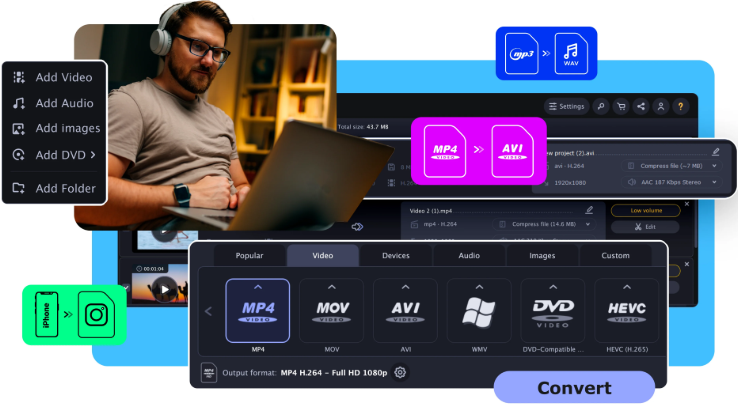
Image SEO is no longer optional. As we move into 2026, fast-loading, well-optimized images are one of the quiet powerhouses behind higher rankings, better user experience, and stronger conversion rates. If your website is weighed down by heavy, unoptimized images, you’re not just slowing your visitors down — you’re also giving your competitors an edge in search results. In this guide, we’ll walk through the best image converter tools to boost your website’s SEO in 2026, with a special spotlight on SEO Strix, your go-to solution for image optimization and beyond. Why Image Conversion Matters for SEO in 2026 Before we talk tools, let’s talk why. 1. Page Speed = Rankings + Revenue Search engines like Google have made it crystal clear: page speed is a ranking factor. Images are usually the heaviest elements on a page, and oversized JPGs or PNGs can wreck your Core Web Vitals scores. Image conversion helps you: Convert to next-gen formats like WebP or AVIF. Compress images intelligently without visible quality loss. Deliver the right size for each device (desktop, tablet, mobile). All of this leads to: Faster load times. Better user experience. Higher chances of ranking on page one. 2. Core Web Vitals & UX Google’s Core Web Vitals — especially Largest Contentful Paint (LCP) — are heavily influenced by image performance. If your hero banner or product image loads slowly, your LCP score suffers. A solid image converter tool will help you: Reduce image weight drastically. Preload or properly serve key images. Serve responsive images (different resolutions for different devices). 3. Mobile-First & Visual Search With mobile-first indexing and the rise of visual search (Google Lens, Pinterest Lens, etc.), optimized images with proper metadata can bring in a surprising amount of organic traffic. An effective image converter should work hand-in-hand with: Alt text and file naming strategies. XML image sitemaps. Structured data for products and media. This is where a platform like SEO Strix stands out: it doesn’t just convert images — it treats them as part of your broader SEO ecosystem. What to Look for in an Image Converter Tool for SEO Not all image tools are created equal. If SEO is your priority, here’s what really matters: Support for Next-Gen Formats WebP, AVIF, JPEG XL (where relevant). Automatic fallbacks for legacy browsers. Smart Compression Controls Lossless vs. lossy compression options. Visual previews before and after compression. Bulk & Automated Processing Batch convert hundreds or thousands of images. Automations or integrations with your CMS or workflow. SEO-Friendly Features File renaming patterns (e.g., keyword-based names). Easy management of alt text and captions. Integration with on-page SEO tools. CDN & Delivery Optimization Serving images via a fast CDN. Device-aware delivery (different sizes by viewport). Caching and lazy loading support. Analytics & Monitoring Impact on page speed metrics. Error detection (missing images, broken links, oversized assets). Now, let’s dive into the best tools for 2026 — starting with the one that puts SEO at the very center of image optimization: SEO Strix. 1. SEO Strix – All-in-One Image Converter with SEO at Its Core Let’s start with your own tool, because it sits exactly at the intersection of technical image optimization and strategic SEO. What Is SEO Strix? SEO Strix is more than just an image converter. It’s designed as a full-stack SEO companion that treats images as a key ranking asset, not an afterthought. Where most tools focus on “smaller file size,” SEO Strix focuses on: Smaller file size Better rankings Better UX and Core Web Vitals Better content structure around your images Key Image Conversion Features of SEO Strix Here’s how SEO Strix helps you win with images: Automatic Next-Gen Conversion Convert existing JPG, PNG, or GIF files into: WebP AVIF (where supported) with browser-aware fallbacks handled behind the scenes. Bulk & Scheduled Optimization Scan your entire site or media library. Convert and compress images in bulk. Schedule recurring optimizations for new uploads. Intelligent Compression Profiles Choose between “Performance First”, “Balanced”, or “Quality First” modes. Visual comparison (before/after) so you’re never guessing. Automatic detection of images that shouldn’t be compressed too aggressively (e.g., logos, UI icons, detailed infographics). Responsive Image Generation Automatically generates multiple sizes of each image. Outputs responsive srcset and sizes attributes. Helps your LCP and CLS scores by serving the right size per device. Where SEO Strix Goes Beyond a Standard Converter What really makes SEO Strix stand out for 2026 is the deeper SEO integration: SEO-Aware File Naming Suggests SEO-friendly file names based on your page’s primary keywords. Batch-renames legacy images that currently use generic names like IMG_1234.jpg. Alt Text Recommendations Uses page context and target keywords to suggest descriptive, human-readable alt text. Highlights missing or duplicated alt attributes. Core Web Vitals Insights Shows which images are affecting LCP and FID. Recommends specific conversion or layout tweaks. Content & Media Synergy Connects images to their page content, helping you build more media-rich, semantically strong pages. When to Use SEO Strix SEO Strix is a great fit if you: Care deeply about rankings, traffic, and UX, not just compression. Manage a content-heavy site (blog, magazine, SaaS, or ecommerce). Want a single platform that handles images, on-page SEO checks, and technical recommendations together. If you want to future-proof your site for 2026 and beyond, making SEO Strix your central image optimization and SEO hub is a smart move. 2. Cloudinary – Powerful Cloud-Based Image Management Cloudinary has long been a favorite among developers and larger teams. It’s a cloud-based media platform that excels at image and video transformation. Strengths for SEO On-the-Fly Transformations Convert and resize images dynamically via URL parameters. Automatic Format Selection Uses f_auto to serve the best possible format (e.g., WebP) based on browser support. Delivery via CDN Fast global delivery, which directly helps your page speed metrics. Where It Fits Cloudinary is ideal for: Large, dynamic sites. Teams with development resources. Complex image pipelines where you want granular control. For marketers or site owners who want more SEO-specific guidance, Cloudinary is often best combined with an SEO-focused tool like SEO Strix. 3. TinyPNG / TinyJPG – Lightweight Compression for Quick Wins TinyPNG
Word Counter Spanish & Checker | Accurate Word Count Tool

In the digital world, content accuracy and structure are more important than ever. Whether you are a student, content writer, translator, marketer, or SEO professional, tracking word count plays a critical role in producing high‑quality content. This becomes even more important when working with multilingual content, especially Spanish. A word counter Spanish tool combined with a reliable word counter checker helps writers maintain clarity, accuracy, and compliance with content requirements. This guide explains what a Spanish word counter is, how a word counter checker works, why it matters, and how it improves writing quality for Spanish and bilingual content creators. What Is a Word Counter? A word counter is a digital tool that calculates the total number of words in a piece of text. Modern word counters go beyond simple counting and provide additional insights such as character count, sentence count, paragraph structure, and estimated reading time. A word counter checker instantly analyzes text when pasted into the tool, allowing writers to track content length without manual effort. These tools are widely used in academic writing, SEO, blogging, translation work, and professional communication. Understanding Word Counter Spanish Tools A word counter Spanish tool is designed to accurately analyze Spanish‑language text. While Spanish and English share similarities, Spanish words often include accents, special characters, and compound structures that require precise handling. Spanish word counters are especially useful for: Spanish content writers Translators working with English‑to‑Spanish content Students submitting Spanish assignments Businesses targeting Spanish‑speaking audiences Using a dedicated Spanish word counter ensures accuracy and avoids miscalculations caused by language‑specific formatting. Why Word Count Matters in Spanish Writing Word count is more than a number—it directly impacts readability, compliance, and SEO performance. Academic Requirements Many Spanish academic institutions enforce strict word limits for essays, reports, and research papers. A word counter checker helps students stay within limits and avoid penalties. Content and SEO Optimization Search engines value structured and well‑sized content. Tracking word count ensures Spanish blogs and landing pages meet optimal content length without being too short or unnecessarily long. Translation Accuracy When translating content, word count often changes. A word counter Spanish tool helps translators manage length consistency across languages. How a Word Counter Checker Works A word counter checker uses algorithms to identify word boundaries, punctuation, and spacing. When text is submitted, the tool processes it and displays results instantly. Most word counter checkers provide: Total word count Character count (with and without spaces) Sentence and paragraph count Reading and speaking time Language‑specific accuracy For Spanish content, the checker recognizes accents and special characters without affecting the count. Key Benefits of Using a Word Counter Spanish Tool 1. Accurate Spanish Language Counting Spanish words with accents, hyphens, and compound forms are counted correctly, ensuring reliable results. 2. Time‑Saving and Efficient Manual counting is impractical. A word counter checker delivers instant results, improving productivity. 3. Improves Writing Structure Writers can adjust sentence length, paragraph balance, and overall structure based on word data. 4. Supports SEO Best Practices Tracking word count helps ensure Spanish content meets SEO guidelines and maintains readability. Who Should Use a Word Counter Spanish Checker? Students Students writing essays, theses, or assignments in Spanish can ensure compliance with academic requirements. Content Writers and Bloggers Spanish bloggers rely on word counters to maintain consistency, meet editorial standards, and improve reader engagement. Translators Translation often changes text length. A word counter Spanish tool helps translators match client requirements accurately. Digital Marketers Marketers use word counter checkers to optimize Spanish landing pages, ads, and SEO content. Word Counter Checker and SEO Word count plays a supporting role in search engine optimization. While quality always comes first, content length influences performance. A word counter checker helps with: Avoiding thin content Maintaining balanced keyword usage Structuring long‑form Spanish articles Optimizing meta descriptions and on‑page content For Spanish SEO, consistency and clarity are just as important as word count. Additional Features in Modern Word Counter Tools Many advanced word counters now include features such as: Character limits for ads and meta tags Reading time estimation Keyword frequency analysis Multilingual support including Spanish These features make word counter checkers powerful tools for professional writers. Free vs Paid Word Counter Checkers Free Word Counter Tools Free tools are ideal for basic needs and casual users. They provide quick word and character counts for Spanish text. Paid Word Counter Tools Premium tools offer deeper insights, better accuracy, data security, and advanced analytics for professional users. Choosing the right option depends on your workload and writing goals. Common Mistakes Without a Word Counter Without a word counter checker, writers often: Exceed required word limits Publish content that is too short Ignore readability and structure Struggle with SEO optimization Using a word counter Spanish tool helps eliminate these issues before publishing or submission. Best Practices for Using a Word Counter Spanish Tool To get the most value: Use the tool during drafting and final editing Combine it with grammar and plagiarism tools Focus on clarity, not just length Adjust content based on audience and platform A word counter should guide your writing, not restrict creativity. Future of Word Counter Tools As AI and content creation evolve, word counters are becoming smarter. Future tools may include: AI‑based writing suggestions Readability scoring for Spanish text Tone and clarity analysis SEO‑focused recommendations These advancements will make word counters even more valuable for multilingual content creators. Conclusion A word counter Spanish tool combined with a reliable word counter checker is essential for accurate, high‑quality writing. Whether you are a student, writer, translator, or marketer, tracking word count helps you meet requirements, improve structure, and optimize content for readers and search engines. In a content‑driven digital world, precision matters. Using the right word counter ensures your Spanish content is clear, professional, and effective.
YouTube Analytics Tool: Track Performance & Grow Your Channel
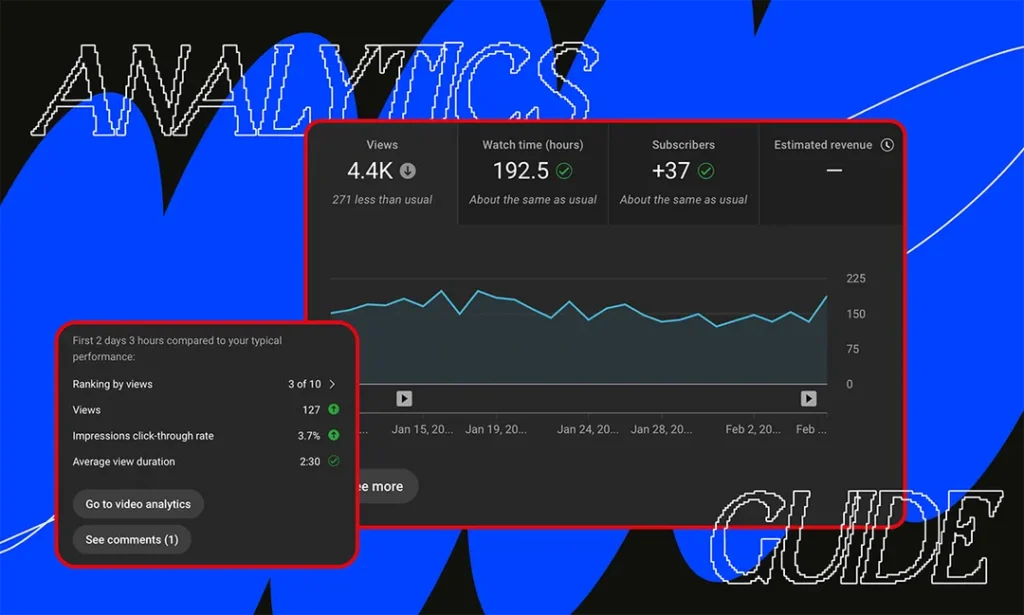
YouTube has become one of the most powerful digital platforms for creators, businesses, and brands. With billions of users consuming video content daily, success on YouTube is no longer based on creativity alone. Data plays a critical role in understanding what works, what doesn’t, and how to grow consistently. This is where a YouTube Analytics Tool becomes essential. A YouTube analytics tool helps creators and marketers measure channel performance, analyze audience behavior, and optimize content strategy. In this blog, we’ll explore what a YouTube analytics tool is, how it works, its key features, and why it is crucial for channel growth. What Is a YouTube Analytics Tool? A YouTube analytics tool is a data‑driven platform that tracks and analyzes the performance of YouTube channels and videos. It provides detailed insights into views, watch time, audience demographics, engagement, traffic sources, and more. Instead of guessing which videos perform well, creators can rely on analytics to make informed decisions. These tools transform raw data into meaningful insights that support long‑term channel growth. Why YouTube Analytics Is Important Many creators focus only on views and subscribers, but these metrics alone do not tell the full story. YouTube analytics offers deeper insights into how viewers interact with content. Key reasons why analytics matter include: Understanding audience preferences Improving video performance Increasing watch time and engagement Identifying content opportunities Supporting monetization strategies Without analytics, growing a YouTube channel becomes inconsistent and unpredictable. How a YouTube Analytics Tool Works A YouTube analytics tool collects data directly from video activity and viewer behavior. Once connected to a channel, it tracks performance metrics in real time and presents them in easy‑to‑understand dashboards. Typical processes include: Data collection from videos and channel activity Performance comparison across time periods Visualization through graphs and charts Insights and recommendations for optimization This allows creators to monitor progress and adjust strategies effectively. Key Metrics Tracked by YouTube Analytics Tools 1. Views and Watch Time Views indicate how many times a video has been watched, while watch time shows how long viewers stay engaged. Watch time is one of the most important ranking factors on YouTube. A good analytics tool helps identify: High‑retention videos Drop‑off points Content that keeps viewers watching longer 2. Audience Retention Audience retention shows how much of a video viewers watch before leaving. It helps creators understand whether their content holds attention. High retention often leads to: Better video rankings Increased recommendations Stronger channel growth 3. Subscriber Growth Analytics tools track subscriber gains and losses for each video. This reveals what type of content encourages viewers to subscribe. Understanding subscriber behavior helps creators: Focus on high‑impact content Improve calls to action Build a loyal audience 4. Engagement Metrics Engagement includes likes, comments, shares, and saves. These metrics show how viewers interact with content. Higher engagement signals quality to YouTube’s algorithm and improves visibility. 5. Traffic Sources A YouTube analytics tool shows where views come from, such as: YouTube search Suggested videos External websites Social media platforms This helps creators optimize titles, descriptions, and promotion strategies. Audience Insights and Demographics Understanding the audience is key to content success. Analytics tools provide demographic data such as: Age groups Gender Geographic location Viewing devices These insights help tailor content, posting schedules, and messaging to the right audience. Content Optimization Using Analytics YouTube analytics tools play a major role in content optimization. By reviewing performance data, creators can refine their strategy. Analytics help with: Choosing video topics Improving titles and thumbnails Adjusting video length Optimizing posting times Data‑backed decisions lead to consistent improvement. Role of YouTube Analytics in SEO YouTube is the second‑largest search engine in the world. Analytics tools support YouTube SEO by showing which keywords, titles, and descriptions perform best. Benefits for SEO include: Identifying high‑ranking videos Optimizing keywords and tags Increasing click‑through rate Improving watch time This helps videos rank higher in YouTube search and recommendations. YouTube Analytics for Businesses and Brands Businesses use YouTube analytics to measure campaign performance and brand impact. For brands, analytics help evaluate: Video reach and impressions Engagement levels Conversion‑driven content Audience interest in products or services This data supports smarter marketing decisions and better ROI. Monetization and Revenue Tracking For monetized channels, analytics tools track revenue performance, including: Ad revenue RPM and CPM Top‑earning videos Revenue trends Understanding revenue data helps creators focus on profitable content formats and niches. Free vs Advanced YouTube Analytics Tools Free Analytics Tools YouTube Studio provides built‑in analytics that cover essential metrics. It is suitable for beginners and small creators. Advanced Analytics Tools Third‑party tools offer deeper insights, competitor analysis, historical data, and advanced reporting. These are ideal for professionals, agencies, and large channels. Choosing the right tool depends on growth goals and data requirements. Common Mistakes Without Using Analytics Creators who ignore analytics often: Repeat low‑performing content Miss growth opportunities Upload inconsistently Fail to understand audience behavior Using a YouTube analytics tool helps avoid these mistakes and supports steady growth. Best Practices for Using YouTube Analytics Tools To get the most out of analytics: Review data regularly Compare performance over time Test different content formats Focus on watch time and retention Align content with audience interest Analytics should guide strategy, not overwhelm creativity. The Future of YouTube Analytics As AI and data technology advance, YouTube analytics tools are becoming smarter. Future tools may include: Predictive performance insights AI‑based content suggestions Automated optimization tips Deeper audience behavior analysis These advancements will make data even more valuable for creators and brands. Conclusion A YouTube analytics tool is essential for anyone serious about growing on YouTube. It provides valuable insights into performance, audience behavior, and content effectiveness. Instead of relying on guesswork, creators can make informed decisions that lead to consistent growth. Whether you are a content creator, marketer, or business owner, using a YouTube analytics tool helps you understand your channel, optimize content, and maximize reach in a competitive digital environment.