
How to Convert Images from JPG to PNG or Any Other Format in Seconds

When working with images, one of the most common tasks you might need to perform is converting them from one format to another. Whether you’re looking to optimize an image for web use, change its file size, or simply make it compatible with another software or platform, knowing how to convert images from JPG to PNG or any other format can save you a lot of time and hassle. In this guide, we will walk you through the process of converting images quickly and easily, using various methods. Why Convert JPG to PNG or Other Image Formats? Before we dive into the specifics of how to convert JPG to PNG and other image formats, let’s briefly discuss why you might need to do this in the first place. File Size and Compression: JPG files use lossy compression, which can significantly reduce the file size but may also result in a loss of image quality. On the other hand, PNG is a lossless format, which means it maintains higher image quality, especially when transparency is required. Image Transparency: If you need an image with a transparent background, JPG won’t work because it doesn’t support transparency. PNG, however, is a great choice for images with transparent backgrounds, such as logos and icons. Web Optimization: Certain image formats are better suited for specific applications. For example, PNG is ideal for images with text, sharp lines, or transparent backgrounds, while JPG is best for photographs and images with complex colors. Compatibility: Some software or online platforms might require specific image formats. Converting JPG to PNG or other formats like GIF, BMP, or TIFF can ensure compatibility across different platforms. Now, let’s explore the various methods you can use to convert your images quickly and efficiently. Methods to Convert JPG to PNG or Other Formats 1. Using Online Image Conversion Tools One of the fastest and most convenient ways to convert JPG to PNG is by using online image conversion tools. These tools allow you to upload your JPG image, choose your desired output format (like PNG), and then download the converted file in seconds. Popular Online Image Converters: Convertio: This is a widely used online tool that supports JPG to PNG conversion along with many other image formats. It’s easy to use and free for small files. Zamzar: Zamzar allows you to convert images and other file types. It offers a straightforward process, where you upload your image, select the format you want, and get the converted file. ILoveIMG: This tool specializes in image editing and converting. You can bulk convert images, which is handy when you need to process multiple files at once. Advantages of Online Tools: No Software Required: You don’t need to download or install any software. The process is entirely web-based. Free for Basic Use: Most online tools offer free conversions for smaller files or a limited number of conversions per day. Convenient and Fast: The entire process is done in just a few clicks, and the conversion speed is generally fast, depending on the size of your image. Disadvantages: File Size Limitations: Free versions of online tools may limit the file size or the number of conversions. Privacy Concerns: You may be concerned about uploading sensitive or personal images to an online service. 2. Using Desktop Image Conversion Software For those who prefer a more robust and feature-packed solution, desktop image conversion software might be the way to go. These programs often provide more control over the conversion process and can handle large batches of images at once. Popular Desktop Image Converters: Adobe Photoshop: A well-known image editing software that supports converting between a wide range of file formats. In Photoshop, simply open your JPG file and choose “Save As” to save the image in a different format like PNG, TIFF, or BMP. IrfanView: This is a lightweight and free tool that offers image conversion, resizing, and editing features. IrfanView supports batch conversion, allowing you to convert multiple files at once. GIMP (GNU Image Manipulation Program): A free and open-source image editor that supports a wide range of formats, including JPG, PNG, TIFF, and more. GIMP provides advanced features for those who need more control over their image files. Advantages of Desktop Software: No Internet Needed: Once installed, you don’t need an internet connection to convert images. Advanced Features: Desktop programs often offer more features and customization options for image editing and conversion. Batch Conversion: Many desktop apps support batch processing, which allows you to convert multiple images simultaneously. Disadvantages: Installation Required: You need to download and install the software on your computer. Software Costs: Some software like Adobe Photoshop comes with a price tag, though free alternatives like IrfanView and GIMP are available. 3. Using Built-in Tools (Windows & macOS) Both Windows and macOS come with built-in tools that allow you to convert images without the need for third-party software or online tools. On Windows: Microsoft Paint: You can open your JPG file in Microsoft Paint, then select “Save as” and choose the PNG format. This is one of the quickest ways to convert images without any extra software. On macOS: Preview App: The Preview app allows you to open and convert images between various formats. Open the JPG image, click on “File” > “Export,” and choose your desired format, such as PNG. Advantages of Built-in Tools: No Additional Software Needed: These tools are already installed on your system, so there’s no need to download anything. Quick and Easy: Both tools are simple to use and can handle basic image format conversions. Disadvantages: Limited Features: Built-in tools may not offer advanced features or support for batch conversions. 4. Using Command Line (For Tech-Savvy Users) For those comfortable with the command line, you can use tools like ImageMagick or FFmpeg to convert images between formats. These tools are powerful and allow for more control, but they require some technical know-how. ImageMagick: ImageMagick is a free and open-source software suite that enables you to convert, edit, or create images
Why Donald Trump Kidnap President of Venezuela
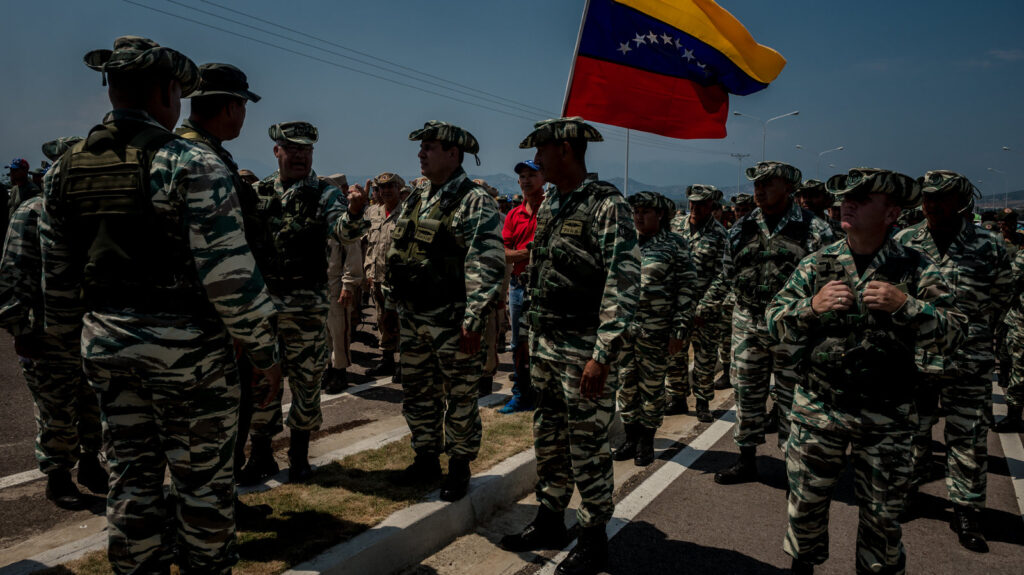
US Military Strike on Venezuela: Operation Absolute Resolve On 3 January 2026, the United States launched a military strike on Venezuela in an operation codenamed Operation Absolute Resolve. The strike, which began around 2 a.m. local time, involved bombings across northern Venezuela to suppress air defenses while a military force apprehended President Nicolás Maduro and his wife Cilia Flores at their compound in Caracas. Following the attack, both were flown to New York City to face charges of narcoterrorism in a federal court. The operation, which resulted in casualties and widespread criticism, sparked international controversy. The US Government’s Justification and International Reactions President Donald Trump defended the operation as a necessary law-enforcement action aimed at combating narcotrafficking and bringing Maduro to justice. The U.S. government announced Maduro and Flores were indicted on charges related to narcoterrorism, including cocaine trafficking. Despite the U.S. claims, Venezuelan Vice President Delcy Rodríguez and many global leaders condemned the capture as an act of kidnapping and a violation of Venezuela’s sovereignty. Venezuelan officials confirmed the death of at least 23 security officers during the attack, while Cuban officials reported 32 military deaths. Despite the deadly nature of the operation, the U.S. government maintained its stance, citing national security interests related to Venezuela’s oil resources. The Impact on Venezuelan Politics: The Rise of Delcy Rodríguez In the aftermath of the operation, Delcy Rodríguez assumed the role of acting president of Venezuela on 5 January 2026, following Maduro’s capture. As Venezuela continued to experience political instability, the Venezuelan military pledged its support to Rodríguez, and several political prisoners were released, including foreign nationals. The U.S. State Department issued a warning for American citizens to leave Venezuela due to the rising threat from pro-government militias. Rodríguez’s rise to power was seen as a pivotal moment in Venezuela’s political landscape, particularly after years of opposition to Maduro’s leadership. Why Venezuela’s Oil Reserves Are Key to US Intervention Venezuela is home to the world’s largest proven oil reserves, estimated at 17% of the global total. U.S. President Trump has long emphasized the importance of Venezuelan oil and its potential for U.S. investment. The Trump administration has made it clear that securing access to these reserves, along with addressing issues related to Venezuela’s political regime, played a central role in the military operation. The Venezuelan government’s nationalization of its oil industry, particularly the seizure of U.S. companies’ assets, has been a long-standing point of contention, with the Trump administration seeking to regain access to Venezuelan oil through military action and strategic alliances. Legal Proceedings: Maduro and Flores in U.S. Custody After their capture, Maduro and Flores were transported to New York where they were arraigned on 5 January 2026. They faced charges including narco-terrorism conspiracy, drug trafficking, and possession of destructive devices. The U.S. legal system will now handle their case, and the outcome of these proceedings could have far-reaching implications for Venezuela’s future. International Controversy: Global Reactions to US Intervention The operation raised significant global concerns about the legality and ethics of U.S. intervention in Venezuela. UN Secretary-General António Guterres voiced alarm, warning about the precedent set by such military action and its potential to destabilize the region. Russia, China, and other countries expressed their strong opposition, demanding the immediate release of Maduro and Flores. On the other hand, several nations, including Colombia, Chile, and Brazil, viewed the operation as a necessary step in ending the Maduro regime. Venezuelan Government’s Response and Ongoing Crisis Despite the U.S. intervention, the Venezuelan government remains in power, with Delcy Rodríguez continuing as acting president. The government denounced the U.S. attack as imperialist aggression and vowed to fight against external forces seeking to control the country’s resources. Meanwhile, Venezuela’s military forces and paramilitary groups known as colectivos remain loyal to the regime, intensifying the country’s internal conflict. Venezuelan Oil Industry: A Focus of U.S. Strategic Interests Venezuela’s oil infrastructure has been in decline for years, largely due to mismanagement, sanctions, and a lack of investment. With some of the largest oil reserves in the world, Venezuela holds immense economic value. The U.S., alongside American oil companies, has expressed interest in revitalizing Venezuela’s oil sector by investing billions of dollars in infrastructure repairs and operations. Experts agree that rebuilding Venezuela’s oil industry will require years of work and substantial financial input, with the U.S. potentially playing a central role in this restoration process. Oil as the Catalyst: The U.S. Strategic Interests in Venezuela’s Resources The U.S. government’s focus on Venezuela’s oil resources is a significant driver of the ongoing conflict. The Venezuelan government’s controversial nationalization of the oil industry in the early 2000s led to the expropriation of assets from U.S. oil companies, which still generates tension. Trump’s administration has stated that restoring U.S. access to Venezuelan oil is critical, and the capture of Maduro marks the first step in this broader strategic goal. The Future of Venezuela: What Lies Ahead? The U.S. military action in Venezuela has set a dangerous precedent and sparked intense debate on its legality and effectiveness. While some celebrate the removal of Nicolás Maduro, others view it as an overreach by the U.S. government that risks further destabilizing the region. Moving forward, the future of Venezuela’s leadership, its oil industry, and its sovereignty will depend on the political dynamics within the country and how the international community responds. In the short term, Delcy Rodríguez’s government will likely face internal and external challenges as Venezuela navigates the aftermath of the U.S. military intervention and works to regain stability. The role of U.S. oil companies, the impact of the narcoterrorism charges, and Venezuela’s evolving relationship with the United States will all play key roles in shaping the country’s future. Conclusion: A Complex Turning Point for Venezuela The U.S. intervention in Venezuela represents a pivotal moment in the country’s ongoing political crisis. With oil resources, narcoterrorism charges, and international diplomacy at stake, the consequences of this operation will be felt across the globe for years to come. While Maduro’s capture marks a
The Future of Venezuela: Is There Hope for Recovery?
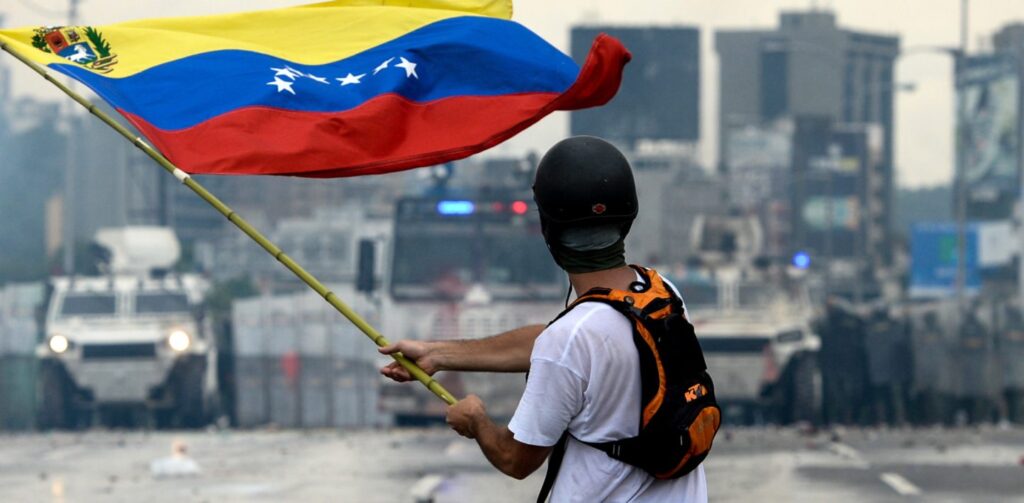
Venezuela has been one of the most talked‑about crises in recent decades — a country once among Latin America’s wealthiest, now grappling with deep economic, political, and social turmoil. But as the nation enters the mid‑2020s, questions of recovery and future stability loom large. Is there real hope on the horizon for Venezuela, or are the challenges too entrenched? This blog explores Venezuela’s origins of crisis, its current conditions, and whether prospects for recovery are realistic. 1. A Petrostate’s Rise and Fall Venezuela’s economic history is inseparable from oil. Sitting atop the largest proven oil reserves in the world, the country was once a regional powerhouse thanks to petroleum exports. However, decades of economic mismanagement, political instability, and systemic corruption eroded this advantage. From the 1950s through the 1980s, Venezuela enjoyed relative prosperity, but this began to unravel as reliance on oil deepened without diversification. By the early 21st century, economic policies under Hugo Chávez and later Nicolás Maduro involved heavy state control over key industries, including PDVSA (the state oil company), massive public spending, and widespread expropriations. These contributed to a dramatic decline in industrial and agricultural output, and eventually, the country’s GDP shrank by approximately 75% since its peak in the early 2010s. 2. The Anatomy of the Crisis Hyperinflation and Economic Collapse One of Venezuela’s most devastating problems has been hyperinflation. Periods of rapid money printing, lack of fiscal discipline, and shrinking production have pushed prices to astronomical levels. Inflation has at times reached hundreds of percent annually, eroding purchasing power and savings for ordinary citizens. This has led to a collapse in real incomes, increased poverty, and widespread food insecurity. Even basic goods and services became unaffordable for many Venezuelans, fueling mass migration — over 7 million Venezuelans have fled the country in search of better opportunities. Political Repression and Institutional Breakdown The political landscape deepened the crisis. Elections have been widely criticized for lacking legitimacy, with allegations of government manipulation and suppression of opposition voices. Maduro’s continued hold on power and measures to marginalize opposition have undermined democratic institutions, further discouraging investment and confidence in the state’s governance. The result has been waning trust, both domestically and internationally, and a governance structure that often prioritizes regime preservation over sustainable policy solutions. 3. Signs of Economic Activity — But What Do They Really Mean? Despite the wreckage, there have been official reports of economic growth in recent years. Venezuela’s Central Bank, backed by statements from Maduro, indicated that the economy might have grown around 9% in 2024 and projected around 7% growth in 2025 and 2026. However, these figures need careful scrutiny. Much of this reported growth is tied to the hydrocarbons sector, which remains Venezuela’s lifeblood, and in many cases these numbers do not fully account for inflation, real wages, or widespread underemployment and informal economic activity. Critics argue that such figures reflect production gains in narrowly defined sectors rather than broad‑based recovery. 4. The Oil Question: Recovery or Further Dependence? Oil remains central to any discussion about Venezuela’s future. Without a functioning oil sector, Venezuela’s economy lacks a reliable source of foreign exchange and revenue. But the oil industry itself is in dire shape after years of underinvestment, corruption, equipment decay, and sanctions. International Influence and Investment Hesitation Recently, geopolitical dynamics have influenced the conversation about oil’s role. U.S. policy has increasingly focused on Venezuela’s petroleum wealth, and discussions have included potential roles for American energy firms and pressure on Venezuela’s government to enact reforms or even change leadership. Yet, major companies describe Venezuela as “uninvestable” without major legal, regulatory, and political changes — concerns stemming from past expropriations, financial instability, and uncertainties over ownership and contract enforcement. This highlights a paradox: Venezuela’s greatest asset — oil — may also trap it in dependency unless the sector is reformed, diversified, and paired with broader economic revitalization. 5. Political Shifts and Their Impact on Recovery Leadership and Governance Political instability complicates recovery. The removal of Maduro from power in early 2026 — replaced temporarily by Vice President Delcy Rodríguez — represents a dramatic turning point. Rodríguez, a key Maduro ally, faces international pressure to restore democratic norms and negotiate with external actors, but her legitimacy remains contested. Reformers argue that any lasting recovery requires free and fair elections, rule of law, and reconciliation between political factions. Continued authoritarian governance, they say, will stifle investor confidence and paralyze meaningful reform. Yet even if leadership changes, the transition must be managed carefully to avoid political violence or institutional breakdown, a risk some analysts see as equally dangerous to recovery as the status quo. 6. Social and Humanitarian Needs: The Real Barometer of Recovery Economic indicators like GDP growth tell only part of the story. For the average Venezuelan, daily life has been marked by hardship: Inadequate healthcare infrastructure Food scarcity and malnutrition High emigration rates A weakened education system Any recovery — political or economic — must address these human dimensions, not just macroeconomic figures. Programs to rebuild health services, infrastructure, education, and public safety will require enormous investment and international cooperation. Importantly, trust building between state and society will be vital. People must see tangible improvements in their lives for recovery to take hold. 7. Scenarios for the Future: Hope or Continued Struggle? Given the complexities, experts outline several possible futures: Scenario A — Gradual Reform and Stabilization In this optimistic pathway, Venezuela implements measured reforms to restore macroeconomic stability, revitalize oil production with international engagement, and strengthen democratic institutions. Sanctions may be negotiated away in exchange for human rights protections and economic openness. A recovery in living standards could follow over several years. This scenario depends on: Political compromise Legal and regulatory reforms Infrastructure investment International financial support Scenario B — Partial Recovery with Persistent Challenges Here, Venezuela experiences some economic stabilization due to gradual oil sector revival, partial easing of sanctions, and limited governance reforms. Growth occurs, but inequality and social hardship persist. Venezuela becomes less unstable but does not achieve full recovery
How Technology Is Changing Daily Life

In the 21st century, technology has become an integral part of our daily existence. It influences everything from the way we communicate and work to how we stay healthy and entertained. Technology continues to evolve at an exponential rate, bringing both challenges and opportunities to society. In this blog post, we will explore how technology is changing daily life and the impact it has on various aspects of human experience. 1. Smartphones: The Heart of Modern Life One of the most transformative technological advances in recent history is the smartphone. These handheld devices have evolved from simple communication tools to multifunctional hubs that serve a wide range of purposes. Smartphones enable us to stay connected through social media, make instant payments, track our fitness, navigate the world using GPS, and access almost any information at the tap of a finger. Key Impact: Communication: Social media apps, messaging services, and video calls keep us in constant touch with others around the world. Productivity: Smartphones allow users to work on the go, manage tasks, and access emails and documents from anywhere. Entertainment: From streaming services to games, smartphones have become a primary source of entertainment. Despite their many benefits, smartphones also pose challenges, including the potential for addiction, privacy concerns, and information overload. 2. The Rise of Social Media: Revolutionizing Interaction Social media platforms like Facebook, Instagram, Twitter, and LinkedIn have dramatically changed how people interact with each other. They allow individuals to stay connected with family and friends, discover new ideas, and engage with communities worldwide. Social media has also given rise to influencer culture, where individuals can build massive followings and leverage that influence for personal or business gain. Key Impact: Social Connectivity: People can stay connected with loved ones, regardless of geographic distance. Business Marketing: Brands use social media to engage with customers, promote products, and build brand loyalty. Personal Expression: Social media allows individuals to share their thoughts, experiences, and creativity with a global audience. However, social media also raises concerns such as the spread of misinformation, privacy issues, and its potential negative effects on mental health. 3. Communication Technology: From Face-to-Face to Virtual Interactions Communication technology has evolved significantly over the past few decades. Video conferencing platforms like Zoom, Google Meet, and Microsoft Teams have made it possible for people to work and collaborate remotely, making communication more flexible and efficient. This shift towards virtual meetings became particularly prominent during the COVID-19 pandemic and continues to be a staple in the business world. Key Impact: Remote Work: Employees can now work from home, reducing commute time and offering more flexibility in work-life balance. Global Collaboration: Virtual meetings enable professionals from around the world to collaborate seamlessly, regardless of location. Ease of Access: Video calls, emails, and messaging apps make it easier than ever to communicate instantly. Although virtual communication tools have made working remotely more accessible, they also create new challenges, such as work-life boundaries being blurred and feelings of isolation among employees. 4. Smart Homes: Automation for Everyday Comfort Smart home technology has gained tremendous popularity in recent years, offering homeowners greater control over their living spaces. Devices like smart thermostats, lighting systems, and security cameras can be controlled remotely, creating a more efficient and personalized living environment. These devices rely on the Internet of Things (IoT) to connect and communicate with each other, making homes smarter and more energy-efficient. Key Impact: Convenience: Smart speakers, thermostats, and lights offer hands-free control over various household tasks. Energy Efficiency: Devices like smart thermostats help save energy by adjusting temperatures based on users’ routines. Security: Smart security cameras and doorbells allow homeowners to monitor their properties in real time, even when they are away. While these devices offer convenience, concerns about privacy and data security remain, as smart home devices often collect personal data about users’ habits and preferences. 5. Health and Wellness: Technology’s Role in Modern Healthcare Technology is transforming healthcare by making medical services more accessible and personalized. Innovations such as telemedicine, wearables, and artificial intelligence (AI) are empowering both patients and healthcare professionals to make more informed decisions about health and wellness. Key Impact: Telemedicine: Virtual consultations have become a valuable tool for patients seeking medical advice without needing to visit a clinic. Wearables: Fitness trackers and smartwatches allow users to monitor their physical activity, heart rate, and sleep patterns in real time. AI in Healthcare: AI algorithms are being used to analyze medical data, assist in diagnosing conditions, and personalize treatment plans. Although these advancements offer incredible benefits, concerns over privacy, data accuracy, and accessibility for underserved communities need to be addressed. 6. Education Technology: Learning Anytime, Anywhere The rise of online learning platforms and digital tools is revolutionizing the education sector. Technology has made education more accessible by allowing students to access a vast array of courses, resources, and materials from anywhere in the world. With platforms like Coursera, edX, and Khan Academy, learners can acquire new skills, certifications, or even full degrees without ever stepping foot in a traditional classroom. Key Impact: Accessibility: Online learning breaks down barriers, allowing individuals from all backgrounds to access educational content. Flexibility: Learners can study at their own pace and on their own schedule, making education more adaptable to diverse lifestyles. Immersive Learning: Virtual reality (VR) and augmented reality (AR) are enhancing the learning experience by providing hands-on, interactive lessons. However, the digital divide remains a significant challenge, as not all students have access to the necessary technology or internet connectivity to participate in online education. 7. E-Commerce: Changing the Shopping Experience E-commerce has fundamentally changed how people shop. Platforms like Amazon, eBay, and Alibaba have made it possible to buy anything from anywhere and have it delivered to your door within a matter of days. Online shopping offers unmatched convenience, allowing consumers to browse a wide range of products without leaving their homes. Key Impact: Convenience: E-commerce platforms allow users to shop 24/7, with easy payment options and quick delivery. Global Reach: Consumers can purchase
Think Carefully Before Visiting AlUla: What the Hadith Teaches Us
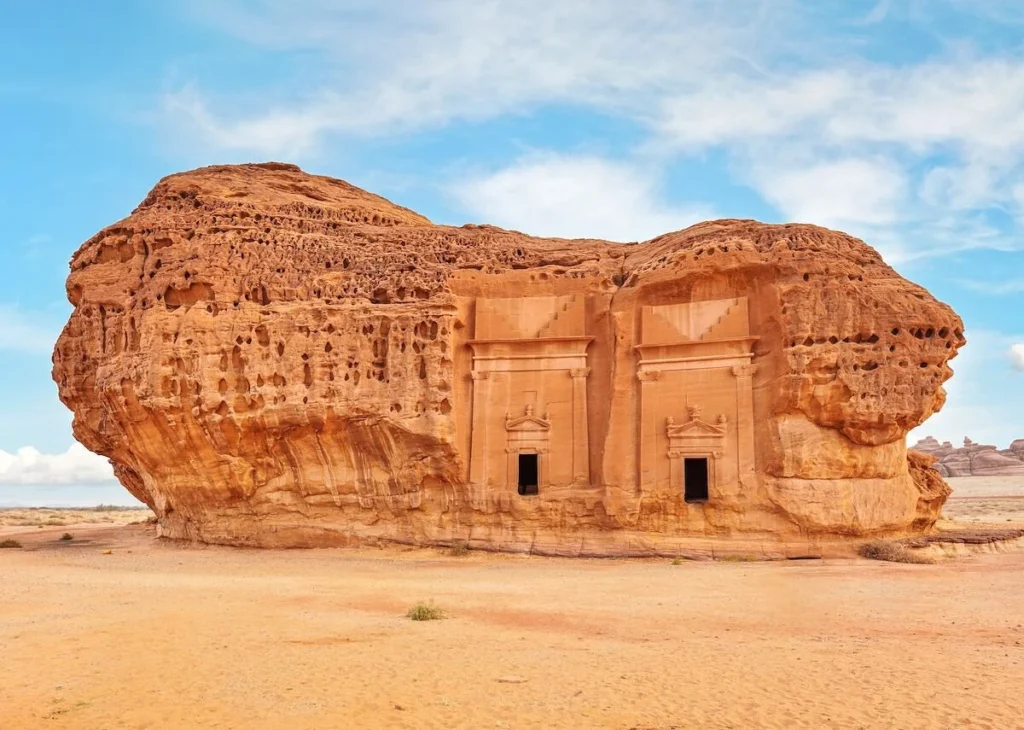
AlUla is an ancient, beautiful destination in Saudi Arabia. Famous for its Hegra, a UNESCO World Heritage site, it’s known for stunning tombs carved into sandstone cliffs. But for Muslims, visiting this site should be a thoughtful decision, especially when considering Islamic teachings and the Hadith. The Historical and Religious Significance of AlUla AlUla, especially its area known as Mada’in Saleh (also called Hegra), is historically significant. It was once the capital of the Nabatean Kingdom and is famous for its tombs and ancient buildings. However, it’s also deeply connected to the Thamud people mentioned in the Quran. AlUla and the Thamud People The Thamud were punished by Allah for their arrogance and disobedience. Prophet Saleh (AS) was sent to guide them, but they rejected him. The ruins in AlUla are a reminder of their punishment, as detailed in the Quran. AlUla isn’t just an archaeological site; it’s a lesson in obedience to Allah and a warning about the consequences of pride. Islamic Teachings on Visiting Such Sites What the Hadith Says Islamic teachings, particularly in the Hadith, provide guidance on visiting places where divine punishment occurred. The Prophet Muhammad (PBUH) instructed that such sites should be approached with respect and humility, not for fun or entertainment. Key Hadith: One famous Hadith from Abdullah ibn Umar states: “Do not enter upon these people who were punished, unless you are weeping. If you are not weeping, then do not enter upon them, lest you be afflicted with what afflicted them.“ This Hadith emphasizes that visiting such places should be a solemn reflection and a chance to learn from the mistakes of past nations, not a place for leisure or excitement. AlUla’s Role in Islamic History AlUla’s most notable site, Mada’in Saleh, was a thriving Nabataean city at its peak. Today, the site is a reminder of the Thamud people’s fall, as they rejected Prophet Saleh’s message. Their punishment was severe, with a mighty blast or earthquake that destroyed them. The Lesson of the Thamud People The Thamud tribe’s downfall teaches us about the dangers of pride and disobedience. When visiting AlUla, Muslims should remember the lesson of the Thamud and reflect on the consequences of ignoring Allah’s commands. This is why visiting AlUla is more than just a sightseeing trip; it’s an opportunity for spiritual reflection. Intention (Niyyah) in Travel In Islam, the intention behind an action is very important. When traveling, especially to sacred or historically significant places, your Niyyah (intention) must align with the purpose of learning and reflection, not just enjoyment. How to Make Your Visit Spiritual Visit AlUla with the intention of reflecting on the lessons from the Thamud people’s story. Avoid visiting for leisure, social media photos, or simply to admire the architecture. Humility and repentance should guide your visit. By focusing on the spiritual purpose, your visit becomes an act of reflection and obedience to Allah. Salah Travels: Guiding You with the Right Intention If you choose to visit AlUla, it’s important to do so with the right guidance. Salah Travels, a faith-based travel company, offers tours that encourage spiritual reflection during visits. They guide travelers in understanding the Quranic significance of the site and ensure the visit aligns with Islamic values. What You Can Expect from Salah Travels’ Tours: Spiritual reflections and meditations. Guided prayers and Quran recitations. Humility-focused itineraries that prioritize reflection over tourism. These tours ensure that your visit to AlUla is both educational and spiritually enriching. The Growing Trend of Mindful Travel Many Muslims today are choosing to travel with greater awareness and purpose. Traveling to sacred or historical sites like AlUla can be a spiritual journey, helping us grow closer to Allah and learn valuable lessons. Tourist vs. Reflective Traveler: Key Differences Aspect of Visit Tourist Mindset Reflective Traveler Mindset Primary Goal Entertainment, fun Reflection, spiritual growth Emotional State Excitement, curiosity Humility, contemplation, sadness Activities Sightseeing, photography Reflection, prayer, learning Pace of Visit Leisurely Quick and deliberate, as per Sunnah Intention Entertainment, social media Learning from Allah’s power Conclusion: Aligning Travel with Faith In the end, visiting AlUla is a personal decision. As a Muslim, it’s important to assess your intention (Niyyah) before making the journey. If your visit is focused on spiritual reflection and learning lessons from the past, then it can be a meaningful and impactful experience. But if your intention is solely for tourism, it may not align with the teachings of Islam. Make sure to travel with a heart full of humility, a mind open to reflection, and an intention to grow spiritually through the lessons that AlUla and its history offer. FAQs Question: Can Muslims visit AlUla? Answer: Yes, Muslims can visit AlUla, but it should be done with the right intention and respect for the historical and spiritual significance of the site. Question: What did Prophet Muhammad say about AlUla? Answer: No authentic hadith in Sahih books mentions Al-Ula; claims are unverified. Question: Why did the Prophet curse AlUla? Answer: No credible basis; claims of a curse lack reliable Islamic sources. Question: What is the history of AlUla in Islam? Answer: Mada’in Salih (Hegra) is in Al-Ula; linked to Nabataean era and early Islam. Question: What makes Al Ula a mysterious place? Answer: Cliff tombs, desert landscape, Nabataean city; legends and ancient ruins. Question: Why can’t Muslims visit AlUla? Answer: There is no universal ban; access depends on local laws and site rules.
Each Other’s vs. Each Others’: Which Is Correct?
When it comes to phrases like “each other’s” and “each others’”, the difference in their usage can be confusing, especially for people learning English. While both are commonly used in spoken and written language, only one is grammatically correct. Let’s break down the proper usage and understand the differences! 1. Each Other’s Definition:“Each other’s” is the correct phrase to use when referring to something that belongs to both or all members of a group. It is a possessive pronoun showing that something is possessed by both people or things involved. Usage: The apostrophe is used before the “s” to show possession, and it refers to two or more people or things having something in common or sharing it. Examples: “They helped each other’s families during the crisis.” “The two friends shared each other’s books.” “We enjoyed each other’s company at the party.” 2. Each Others’ (Incorrect) Definition:The phrase “each others’” is incorrect. The confusion usually arises because of the plural possessive form of “each other,” but “each other” is inherently singular when indicating a reciprocal relationship. Therefore, “each others’” should not be used in any context. Why It’s Incorrect: “Each other” is a reciprocal pronoun that refers to two or more people acting in a mutual way. Adding an apostrophe after “each others’” suggests a plural possessive that doesn’t fit with the intended meaning of “each other.” Examples of Incorrect Usage: “They helped each others’ families during the crisis.” (Incorrect) “We exchanged each others’ books.” (Incorrect) How to Remember the Correct Usage: Each other’s: The possessive form is used for things that belong to both people/things. Each others’: This form is incorrect because “each other” doesn’t need to be pluralized in this way. Summary: Correct: “Each other’s” is used when referring to something that belongs to both individuals or items involved in a reciprocal relationship. Incorrect: “Each others’” is not grammatically correct, as “each other” already implies a relationship between two or more parties and doesn’t require an extra apostrophe. Now that you know the difference, you can confidently use “each other’s” in your sentences, ensuring your writing stays grammatically correct!
Global Births and Deaths: A Daily, Monthly, and Yearly Breakdown by Gender
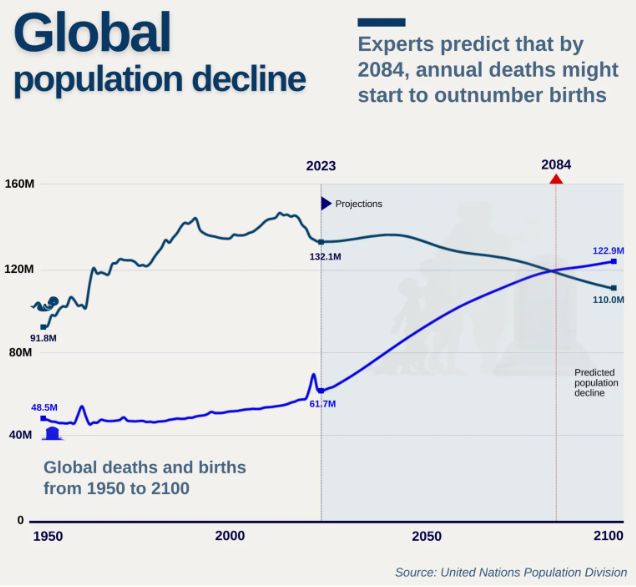
The world population is in constant flux and each day, millions of babies are being born and a very considerable number of people are dying. What is observed is that these changes occur on a continuous basis and can be reduced into daily, monthly, and annual averages. To simplify it further, we can focus on gender specific data as we would like to know how many boys and girls die and are born around the world. Number of Babies Born Every year, millions of babies are born across the world. According to the latest data from sources like the World Bank and the United Nations, the global birth rate has been gradually declining in recent years, but it still remains substantial. Global Daily Births: Average daily births: 385,000 babies. This number represents the global average number of babies born every day across all countries. Gender Breakdown: Boys: Around 200,000 boys are born every day globally. Girls: Around 185,000 girls are born every day globally. Global Monthly Births: Average monthly births: Around 11.5 million babies are born each month worldwide. This is derived from the daily average, multiplied by the number of days in a month. Global Yearly Births: Average yearly births: Around 140 million babies are born globally every year. Number of People Dying While the number of births is a hopeful statistic, the global death rate is also a key aspect in understanding population change. The global death rate can be influenced by various factors like healthcare, diseases, and natural disasters. Global Daily Deaths: Average daily deaths: 160,000 people die every day around the world. This includes people of all ages, from infants to elderly adults. Gender Breakdown: Men: Around 85,000 men die every day globally. Women: Around 75,000 women die every day globally. Global Monthly Deaths: Average monthly deaths: Approximately 4.8 million deaths happen every month worldwide. Global Yearly Deaths: Average yearly deaths: Approximately 60 million people die every year around the world. Key Observations: Birth to Death Ratio: Births: The daily global birth rate is higher than the daily global death rate. This means that, globally, the population continues to grow each day, even though deaths are still a significant part of the demographic process. Gender Differences: Boys are born in slightly greater numbers than girls on a global scale. This is primarily due to natural gender ratios at birth, where the birth of boys tends to outnumber girls by around 105 to 100. In terms of death rates, men tend to have higher mortality rates than women, which is why you see a larger number of deaths among men every day. Factors Affecting These Numbers: Life expectancy varies widely between regions. For instance, people in high-income countries tend to have higher life expectancy due to better healthcare, while people in low-income countries may have a shorter life expectancy. Public health crises, such as pandemics, can dramatically affect both birth rates and death rates. For example, the COVID-19 pandemic has caused millions of deaths worldwide and temporarily affected birth rates. Healthcare advances: In countries with good healthcare systems, both birth and death rates can be significantly influenced. Access to reproductive healthcare, maternal care, and child care directly impacts birth rates. Global Population Growth As a result of the higher birth rates compared to death rates, the global population continues to grow, although at a slower pace due to declining fertility rates in many countries. The world population is estimated to exceed 8 billion by 2023. Interesting Facts About Birth and Death Rates: Infant Mortality Rate: The global infant mortality rate (the number of babies who die before their first birthday) has decreased significantly over the past century. It has dropped from over 100 deaths per 1,000 live births to just 28 per 1,000 live births globally, as of recent data. Life Expectancy: The average global life expectancy is around 72 years. Women generally live longer than men in nearly all parts of the world, contributing to the higher number of women in the elderly population. Infant Gender Ratio: Boys are born in higher numbers than girls, but at birth, the ratio of boys to girls is typically about 105 boys for every 100 girls. Global Aging Population: While there are more births than deaths globally, the population is aging, especially in countries with low fertility rates. This can have long-term implications for economies and healthcare systems. Conclusion Over 385,000 infants are delivered on an average day, and almost 160,000 individuals die throughout the world. The world is still experiencing net population growth, due to the higher rate of births than death, and this is reflected in the global rise of approximately 140 million births per annum. Nevertheless, even though the number of births is higher, more men die on a daily basis than women, as men have greater mortality rates. This idea of knowing these statistics allows us to understand the magnitude of population dynamics and provides insight into the needs of healthcare resources, resource planning as well as economic planning in the future. In the future, demographic changes such as aging and declining fertility rates in the world will be critical in determining the social, political, and economic future of the world.
How Many Words Are There in the Bible?

The bible is among the most popular books that are read and translated all over the world. Centuries of religious traditions, historical studies, and literature have been based on it. However there is one question that arises regularly, how many words are there in the bible? 1. The Bible’s Structure and Organization Before we explore the number of words in the Bible, it’s important to understand its structure. The Bible is divided into two main sections: The Old Testament (also known as the Hebrew Bible), which consists of 39 books. The New Testament, which contains 27 books. These books include a wide variety of literary genres, including history, poetry, prophecy, letters, and wisdom literature. As such, the Bible can be read in many different ways, from a religious guide to a literary masterpiece. Old Testament: The Old Testament is much longer than the New Testament and contains stories of creation, laws, prophecies, and more. It is traditionally written in Hebrew (with some parts in Aramaic). New Testament: The New Testament focuses primarily on the life, death, and resurrection of Jesus Christ and the spread of Christianity through letters (epistles) written by the apostles. It is written in Greek, and its primary focus is on the teachings of Christ. 2. How Many Words in the King James Version (KJV)? One of the most well-known and widely used versions of the Bible is the King James Version (KJV), published in 1611. This version of the Bible has been praised for its poetic language, and it remains one of the most-read versions of the Bible today. The King James Version (KJV) of the Bible contains approximately: 783,137 words in total. Breakdown: The Old Testament has about 602,585 words. The New Testament has about 180,552 words. These word counts can vary slightly depending on how one counts certain words, such as titles and additional notes in some editions. However, the general consensus is that the KJV contains 783,137 words. 3. Word Count in Other Translations Different Bible translations can have varying word counts, mainly because of the differences in language structure, translation philosophy, and the inclusion of certain words or phrases. Let’s compare a few other popular translations. New International Version (NIV): The NIV is one of the most popular modern translations of the Bible. It aims for a balance between readability and faithfulness to the original texts. Total words in the NIV: approximately 726,109 words. The Old Testament contains about 534,021 words. The New Testament contains about 192,088 words. English Standard Version (ESV): The ESV is known for its literal translation from the original languages while maintaining readability. Total words in the ESV: approximately 757,439 words. The Old Testament contains around 593,491 words. The New Testament contains around 163,948 words. New Revised Standard Version (NRSV): The NRSV is a popular translation used in many academic and religious settings. It emphasizes a balance between literal translation and gender-neutral language. Total words in the NRSV: approximately 773,692 words. The Old Testament contains around 592,000 words. The New Testament contains around 181,000 words. The Message (MSG): The Message is a modern, paraphrased version of the Bible, written in contemporary language for readability and accessibility. Since it is more of a paraphrase than a direct translation, the word count can be significantly different. Total words in The Message: approximately 500,000 words. The Septuagint (LXX): The Septuagint, which is the ancient Greek translation of the Hebrew Scriptures, has a word count that differs as well. Total words in the Septuagint: approximately 1,070,000 words. 4. Factors Affecting Word Count While the word count may vary between translations, several factors can influence the number of words in any given Bible version: Translation Philosophy: Some translations, like the King James Version, focus on word-for-word translations, which may result in longer sentences. Others, like the NIV or The Message, take a more dynamic or paraphrased approach, which can lead to fewer or more words depending on how the translators approach each phrase. Textual Variants: Different versions may also differ in textual content. For example, the Catholic Bible includes several books that are not found in the Protestant Bible (e.g., Tobit and Maccabees), which increases the total word count. Punctuation and Paragraph Structure: The inclusion of punctuation marks, paragraph breaks, and notes can influence the total word count in different editions of the Bible. 5. Fun Facts About the Bible’s Word Count Shortest Verse: The shortest verse in the Bible is John 11:35, which simply states, “Jesus wept.” It contains just two words. Longest Verse: The longest verse in the Bible is Esther 8:9, with a total of 90 words in the King James Version. The Bible’s Middle Verse: In the KJV, Psalm 118:8 is the middle verse of the Bible. It reads, “It is better to trust in the Lord than to put confidence in man.” Conclusion Conclusion Finally, the Bible has highly many words that may even differ in case of different translations. The New International Version (726,109 words), the King James Version (783,137 words) or any other translation of the same story has the same core message. The versions have various uses, including academic and religious texts. The number of words may not be the most significant of the issues, but it enables to emphasize a position of the Bible as a historical source and a guide of spiritual directions. However many might be the number of words, the contribution that the Bible has made to humanity, whether through stories or teachings in the culture cannot be measured.
The Difference Between Wether, Weather, and Whether

English can be tricky, especially when it comes to homophones — words that sound the same but have different meanings and spellings. “Wether”, “weather”, and “whether” are a classic example. These three words might seem similar, but they each serve a different purpose in the English language. Understanding their differences is essential to using them correctly in writing and speech. Let’s break them down: 1. Wether Definition:“Wether” refers to a castrated male sheep or sometimes other livestock like goats. It is a term commonly used in farming or animal husbandry. Usage: “The farmer raised a flock of wethers for their wool.” “The rancher sold the wether at the livestock auction.” Note:This word is the least commonly used in everyday conversation, unless you’re specifically discussing animals or farming. 2. Weather Definition:“Weather” refers to the conditions in the atmosphere at a particular time and place, including elements like temperature, precipitation, wind, and cloudiness. It can also refer to the state of the atmosphere in general (for example, the weather forecast for tomorrow). Usage: “The weather is sunny today, perfect for a picnic.” “The weather forecast predicts heavy rain this evening.” “The stormy weather caused the flight delays.” Note:It’s commonly used in everyday conversations, especially when talking about the climate or conditions outside. 3. Whether Definition:“Whether” is a conjunction used to introduce choices, possibilities, or uncertainty. It is often paired with the word or, implying that two (or more) alternatives are being considered. Usage: “I don’t know whether I should go to the party or stay home.” “The teacher asked whether anyone had questions.” “Can you tell me whether she’s coming to the meeting?” Note:“Whether” is often confused with “if”, but “whether” is preferred when showing that two possibilities or alternatives are being presented. Summary Table Word Meaning Example Sentence Wether A castrated male sheep or goat “The farmer had several wethers in his herd.” Weather The atmospheric conditions (temperature, rain, etc.) “The weather looks great for a walk in the park today.” Whether A conjunction indicating choices or possibilities “I don’t know whether to go to the concert or stay home.” Quick Tip for Remembering: Wether: Think of “wool” (because wethers are sheep, which produce wool). Weather: Think of the “sky” or “forecast”. Whether: Think of “alternatives” or “choices”. Conclusion Now that you know the difference between wether, weather, and whether, you can use these words correctly in your writing and conversation. Remember, wether is related to animals, weather deals with atmospheric conditions, and whether presents choices or possibilities. With practice, these tricky homophones will become easy to distinguish!
Detailed Breakdown of U.S. States by Population, Area, and Density
The United States of America is home to a diverse population of over 330 million people, spread across 50 states, each with its own unique geographic features, cultural distinctions, and population characteristics. Understanding how the population is distributed across the country, in relation to the size of each state and its population density, is crucial for a variety of fields such as urban planning, economics, and social sciences. In this blog post, we will explore the population, area, and population density of each U.S. state. We’ll break down how these factors contribute to the social, economic, and geographic landscape of the United States. Population Distribution in the U.S. The population of each state in the U.S. is a result of a variety of factors, including climate, job opportunities, cultural significance, and historical development. Some states, like California and Texas, are home to millions of people, while others, like Wyoming and Vermont, have relatively small populations. States with the Largest Populations California: With 39,500,000 people, California is by far the most populous state in the U.S. This is largely due to its role as an economic powerhouse, attracting people for its tech industry, entertainment sector, and diverse job opportunities. Major cities like Los Angeles, San Francisco, and San Diego contribute to its large population. Texas: The second-largest state by population, Texas boasts around 29,000,000 people. Its major cities, such as Houston, Dallas, and Austin, attract people due to their booming industries, low cost of living, and diverse culture. Florida: With 21,500,000 residents, Florida is home to major tourist destinations like Miami, Orlando, and the Florida Keys. The state’s warm climate and affordable housing have also made it a popular destination for retirees. New York: New York comes in fourth with approximately 19,800,000 residents. The state is home to New York City, one of the most populous and diverse cities in the world, contributing significantly to the state’s population. States with the Smallest Populations Wyoming: With a population of just 580,000, Wyoming is the least populous state in the U.S. Its vast landscapes, including national parks like Yellowstone, contribute to its sparse population density. Vermont: Vermont, with a population of 850,000, is another state with relatively few people. Its small, rural communities and mountainous terrain make it a quieter, less densely populated state. State Area: Geography’s Role in Population Distribution The area of a state plays a significant role in shaping its population. Larger states, like Alaska and Texas, often have more room for development and habitation. However, the population isn’t always distributed evenly within these states. States with the Largest Areas Alaska: The largest state by area, Alaska spans 663,300 square miles. Despite its vast size, Alaska’s population is relatively small (around 740,000) due to its harsh climates, remote location, and limited urbanization. This makes it one of the least densely populated states. Texas: The second-largest state in terms of land area, Texas covers 268,596 square miles. Although it has a large population, Texas still has plenty of rural areas, which helps to maintain a relatively low population density compared to more densely populated states. California: California, while not as large as Alaska or Texas, is still expansive, covering 163,696 square miles. The size of California allows for diverse geographic regions, from beaches to mountains to deserts, which has influenced the development of major cities and industries. States with the Smallest Areas Rhode Island: At just 1,034 square miles, Rhode Island is the smallest state in the U.S. Despite its small size, Rhode Island is densely populated, with about 1,060,000 people living there. The small geographic footprint has led to high urbanization and relatively few rural areas. Delaware: Another small state, Delaware covers 2,489 square miles, with a population of around 970,000. It is the second smallest state in the U.S. and has a high population density as a result of its proximity to major metropolitan areas like Philadelphia. Population Density: How People Are Spread Out Population density refers to the number of people living per square mile in a given area. It’s a critical measure for understanding how crowded a state or city is and plays a key role in urban planning, resource allocation, and social services. States with the Highest Population Density New Jersey: New Jersey has the highest population density in the U.S., with 1,024 people per square mile. Its proximity to major cities like New York City and Philadelphia, as well as its small geographic size, contributes to this high density. Rhode Island: Despite its small size, Rhode Island has a very high population density, with 1,024 people per square mile. The urban areas of Providence and Newport significantly contribute to this density. Massachusetts: Massachusetts has a high density of 894 people per square mile, particularly in cities like Boston, which is one of the oldest and most populous cities in the U.S. States with the Lowest Population Density Alaska: As the largest state in terms of area, Alaska has the lowest population density, with just 1 person per square mile. The vast, rugged terrain and remote location limit the areas where people can live. Wyoming: Wyoming also has a very low population density, with only 6 people per square mile. Its expansive open spaces and mountainous landscapes contribute to its sparse population. Montana: Montana has a density of just 7 people per square mile. The state’s wide-open plains and low urban population contribute to its relatively low density. U.S. States Population, Area, and Density Table Here is the full table of U.S. states with their population, area, and density details: State Population (numerical) Area (square miles) Density (per square mile) 1. Alabama 5,000,000 52,420 96 2. Alaska 740,000 663,300 1 3. Arizona 7,280,000 113,990 64 4. Arkansas 3,040,000 53,179 57 5. California 39,500,000 163,696 251 6. Colorado 5,690,000 104,094 55 7. Connecticut 3,590,000 5,543 648 8. Delaware 970,000 2,489 392 9. Florida 21,500,000 65,758 394 10. Georgia 10,600,000 59,425 179 11. Hawaii 1,420,000 10,932 1319 12. Idaho 1,790,000 83,568 21 13. Illinois 12,670,000 57,914 219
Alphabetical List of US States: A Complete Guide
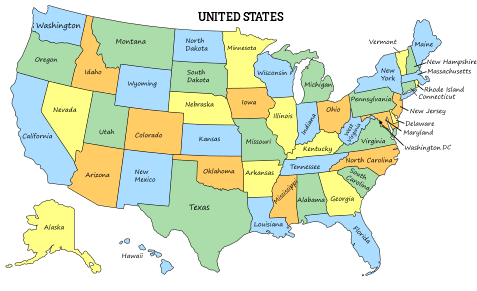
The United States of America is a vast country made up of 50 diverse states, each with its own unique culture, history, and geography. Whether you’re a geography enthusiast, planning a trip, or just curious about the country’s makeup, it’s helpful to have an alphabetical list of U.S. states as a reference. Alphabetical List of All U.S. States Here’s the complete alphabetical list of U.S. states, from A to W: Alabama Alaska Arizona Arkansas California Colorado Connecticut Delaware Florida Georgia Hawaii Idaho Illinois Indiana Iowa Kansas Kentucky Louisiana Maine Maryland Massachusetts Michigan Minnesota Mississippi Missouri Montana Nebraska Nevada New Hampshire New Jersey New Mexico New York North Carolina North Dakota Ohio Oklahoma Oregon Pennsylvania Rhode Island South Carolina South Dakota Tennessee Texas Utah Vermont Virginia Washington West Virginia Wisconsin Wyoming Brief Overview of U.S. States Each state in the U.S. contributes to the country’s overall identity and offers something unique, whether it’s the landscapes, historical significance, or cultural influence. Here’s a brief insight into some states from different regions of the U.S.: Alabama Located in the southeastern part of the country, Alabama is known for its significant role in the civil rights movement and its contributions to music, especially jazz and blues. California The Golden State is one of the most well-known states worldwide. Home to Silicon Valley, California is a leader in technology, entertainment, and innovation. With beautiful beaches, the Sierra Nevada mountains, and cultural hubs like Los Angeles and San Francisco, California is an iconic U.S. state. Florida Florida is known for its tropical climate, beaches, and attractions such as Walt Disney World and the Everglades National Park. It’s also a hub for retirees and families alike, making it one of the most popular states for vacations. Texas One of the largest states in the U.S., Texas offers a blend of culture, history, and diverse landscapes—from the deserts to the Gulf Coast. It’s also known for its country music, BBQ, and being a hub for business and energy. New York New York needs no introduction. It’s home to the Big Apple, one of the most famous cities in the world, and offers everything from Broadway and Times Square to Central Park. The state is a major financial, cultural, and political center. Hawaii An island paradise, Hawaii is famous for its stunning beaches, volcanic landscapes, and laid-back lifestyle. It is also rich in Polynesian culture and history, offering a unique blend of nature and culture. Fun Facts About U.S. States Alaska is the largest state in the U.S. but has fewer people than some much smaller states. California has the highest population of any U.S. state, with more than 39 million residents. Hawaii is the only state that doesn’t observe Daylight Saving Time. Montana has the least population density, making it one of the most sparsely populated states. Texas has its own power grid and doesn’t rely on the national grid. Why Is Knowing the U.S. States Important? Whether you’re a student, a traveler, or someone looking to do business in the U.S., knowing the U.S. states alphabetically can be essential for various reasons: Geography: Understanding the states and their locations helps in map reading and navigation. Political & Cultural Understanding: Knowing the states enables you to better understand U.S. politics and cultural diversity. Travel: It’s helpful for planning vacations or business trips within the U.S. Historical Knowledge: Many U.S. historical events took place in particular states, and knowing them alphabetically can help organize events and timelines. Conclusion The alphabetical list of U.S. states provides a simple yet comprehensive way to navigate the geography of the United States. Whether you’re a geography student, someone planning to visit all 50 states, or simply looking to brush up on U.S. trivia, this list is an excellent tool to get started. From Alabama to Wyoming, each state has its own charm and significance. Explore the diverse landscapes, cultures, and histories these states offer, and use the list to deepen your knowledge of this remarkable country.